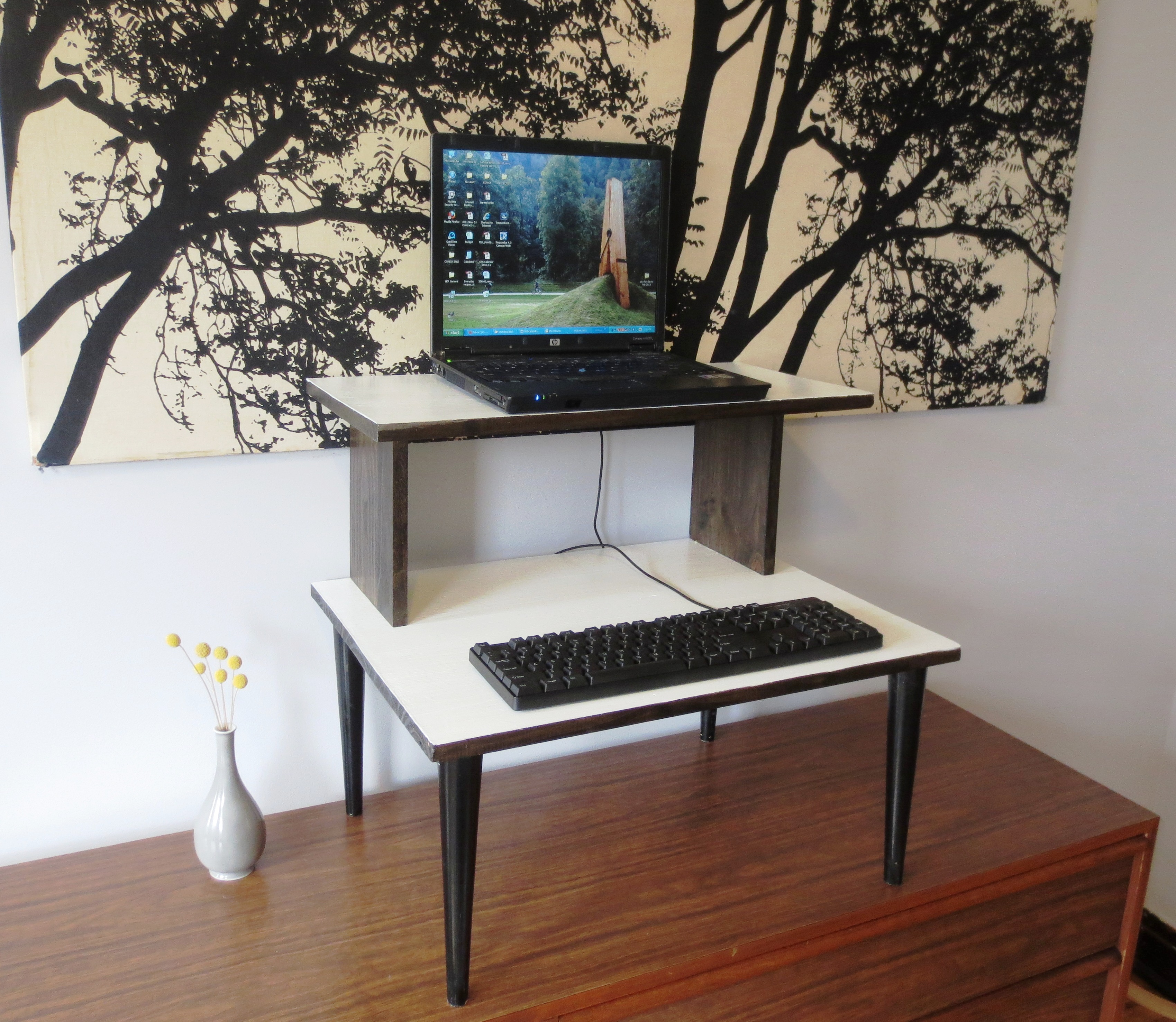
Make Your Own Mid-Century Modern Standing Desk

Picture 106

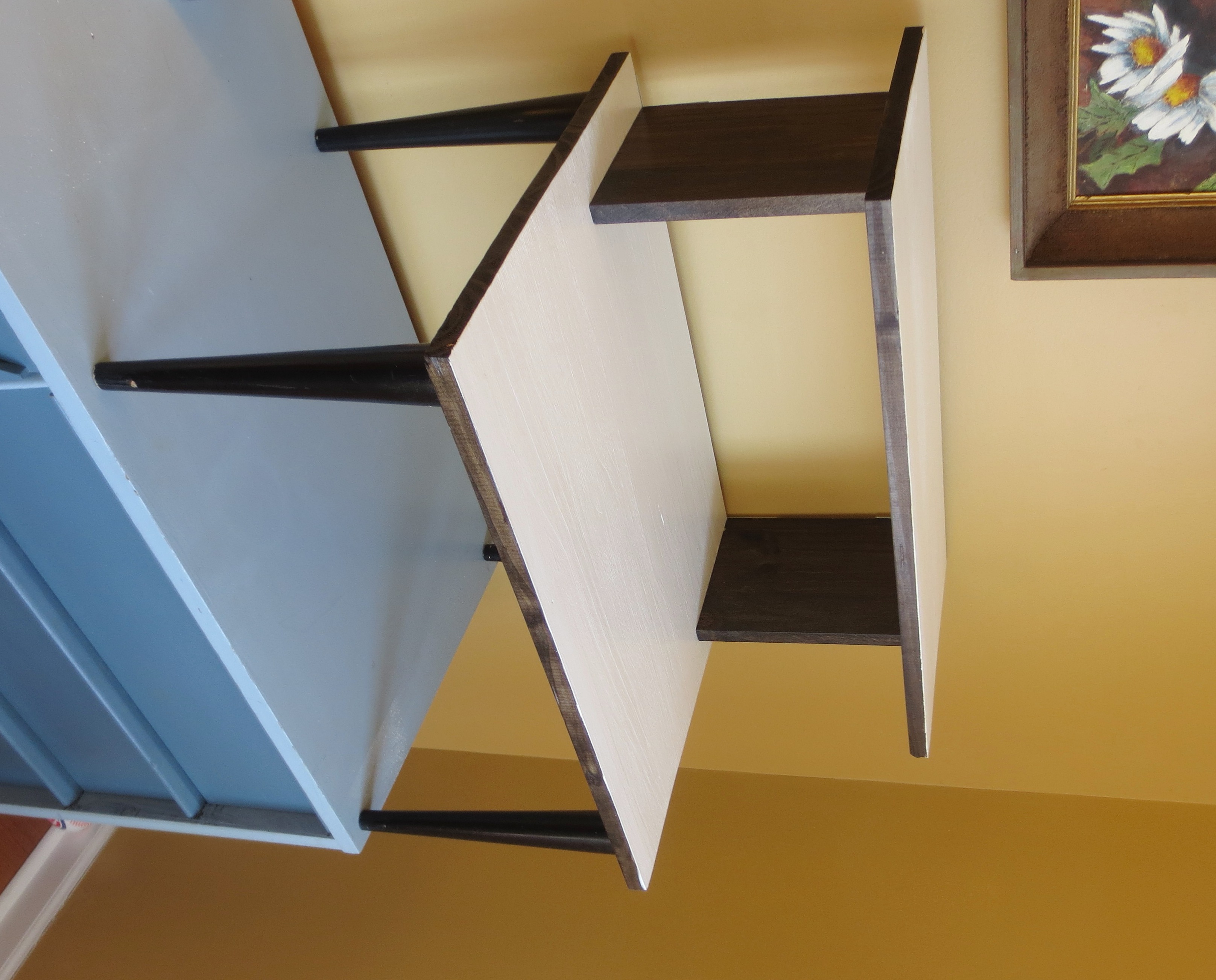
Spoiler alert! This is what it looks like at the end.

I know, I know. There’s nothing Mid-Century at all about a standing desk.  Or, for that matter, using a computer, or working from home, or participating in so-called “webinars.”

But here in the early 21st Century, I do work from home, my back hurts, my knees ache and I’ve developed the posture of an octogenarian coal miner.  Something had to change, and I thought a standing desk might be worth a try.

Before I took the plunge, I tested out the position with my laptop and a USB keyboard in a couple of makeshift standing “workstations” on top of my sitting desk in the front room (that’s Chicagoan for “living room”) and the bedroom dresser.
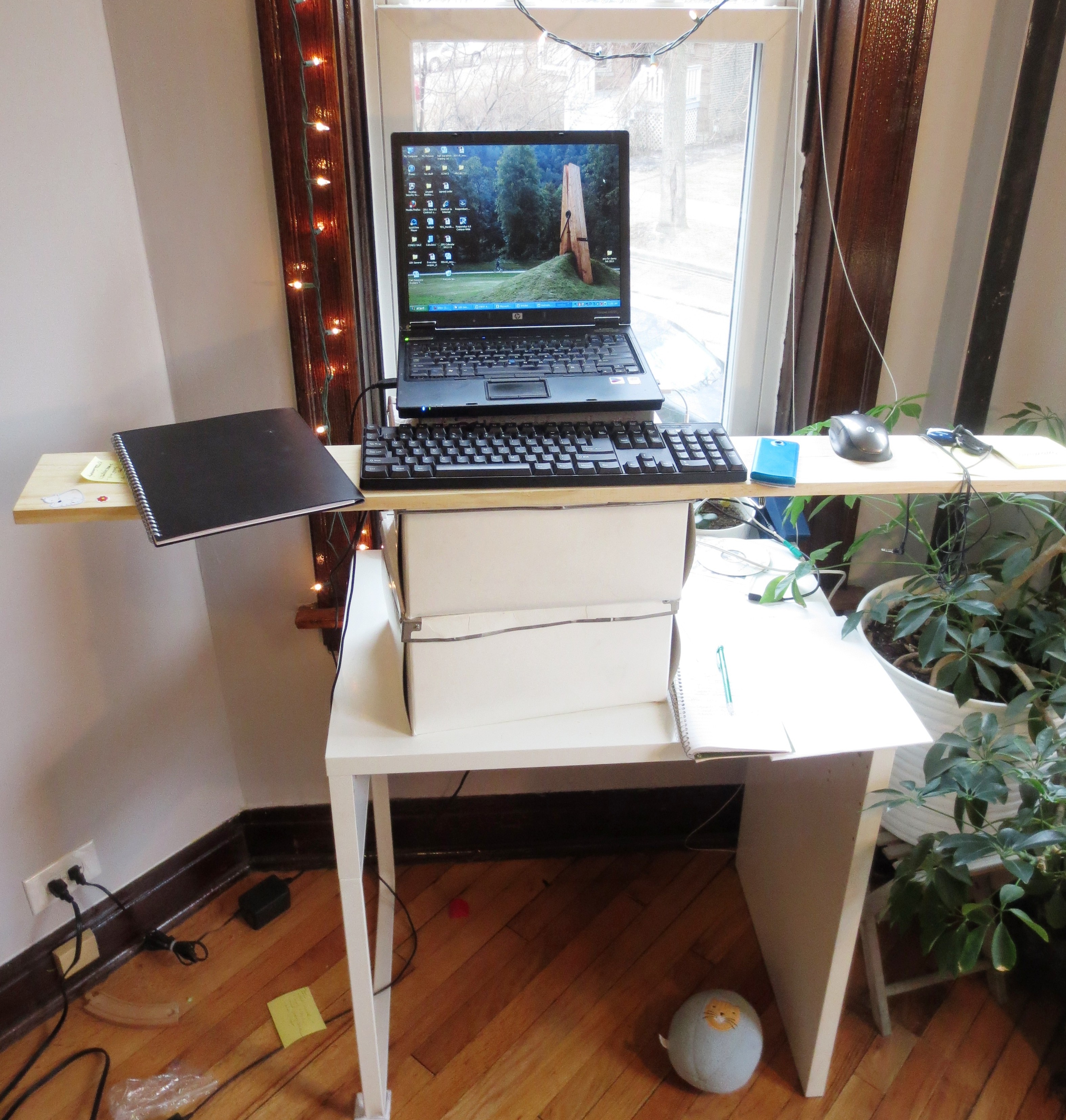
Standing Desk Prototype #1
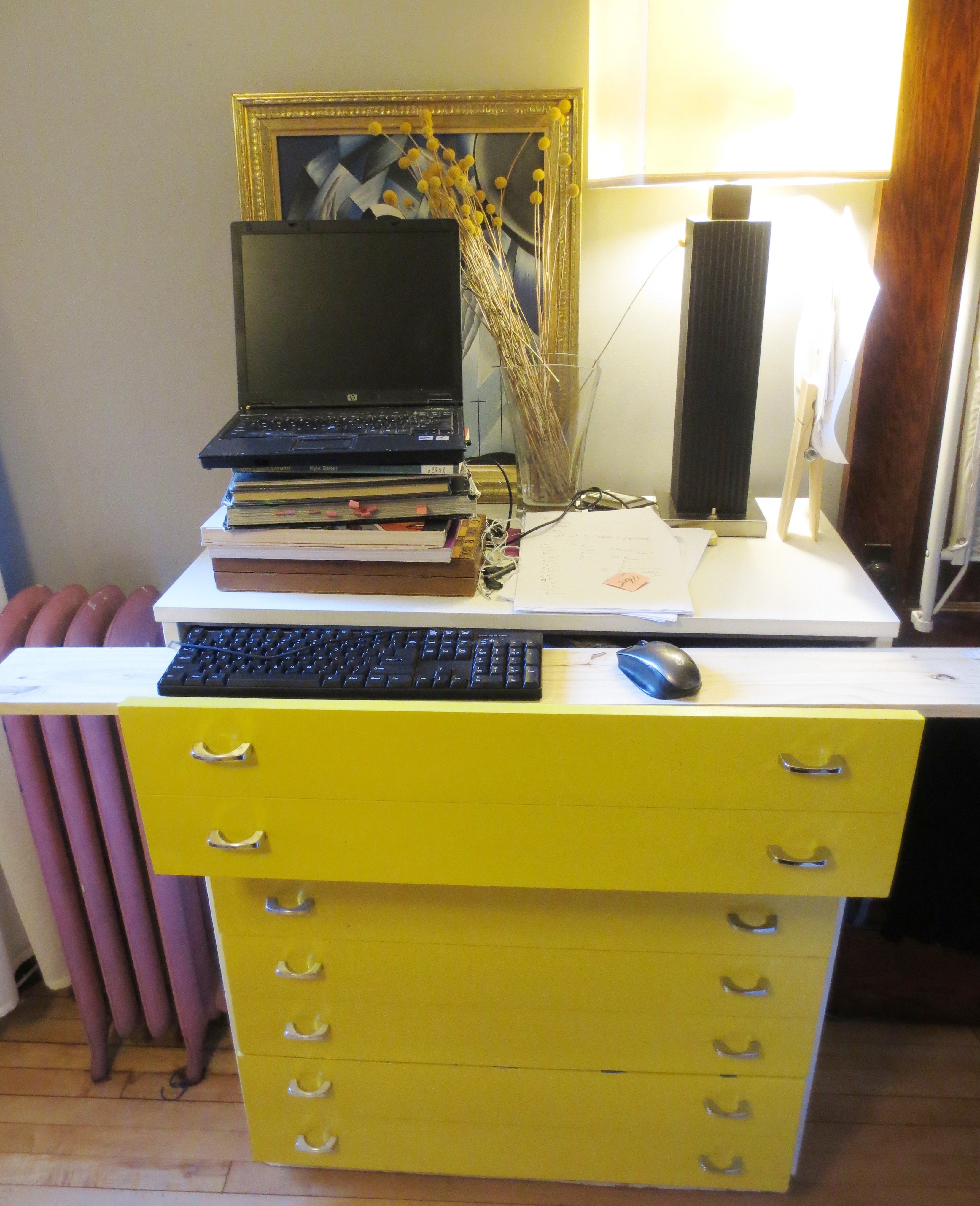
Standing Desk Prototype #1

prototype #2

prototype #2

I  love it! My sciatica vanished, my back straightened up, even my butt cheeks seemed rounder.  It actually felt good to sit down for lunch.

And the best part is, the standing desk keeps the keyboard far out of reach of little hands. With a single poke of their sticky fingers, my children can somehow hit “reply all” to a sensitive email AND post unflattering pictures of me on Facebook, if they haven’t completely crashed the computer already.
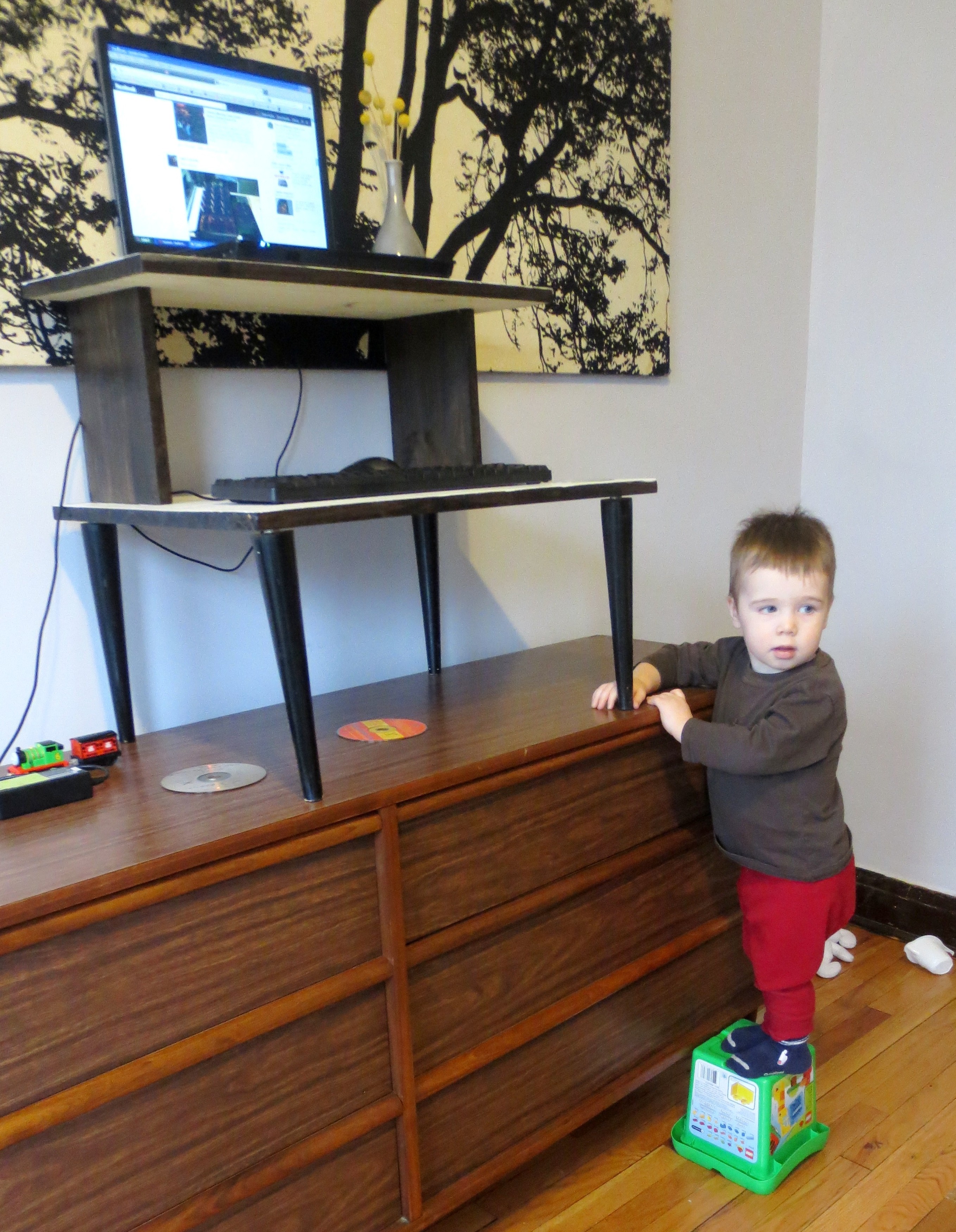
Even standing on an upturned bucket of legos, this mischievous toddler can't reach the keyboard.

Even standing on an upturned bucket of legos, this mischievous toddler can’t reach the keyboard.

But, where do you even get a standing desk? Google it and you’ll find workstations costing nearly a thousand dollars (not including the treadmill). Most of them are just massive heaps of powder-coated metal and light oak- veneered particleboard.
NotmystandingdeskSo I just designed my own standing desk, based on three criteria.  It needed to be 1) cheap, 2) beautiful and 3) portable and small and enough to fit on top of any standard desk, table, or sideboard   I also wanted to work with materials on hand – in this case a 48×18 piece of plywood from an abandoned project, and four dark brown legs from a deconstructed (i.e., totally busted) mid-century slat bench, which you can see intact in the header of this blog.  Plywood is available at any hardware store, and if you don’t happen to own any orphaned bench legs, try looking HERE or HERE,  or even Etsy.

Can you believe I'm still using Microsoft Paint to illustrate this blog?

Can you believe I’m still using Microsoft Paint to illustrate this blog?

Also note that I designed this desk specifically to fit my 5’7” frame.  Since my sitting desk (and similar furniture) is about 30 inches high, I measured the keyboard platform to meet my elbows at a 90-degree angle, or 14” above the sitting desk.  I needed my line of vision to fall near the top of my laptop screen, so I set the second platform 10” higher.

Feel free to customize based on your own style, or to make use of whatever crap you have lying around.

INGREDIENTS:

  • plywood
  • legs
  • oil-based primer  and latex paint, and/or oil-based wood stain (I used Minwax in Dark Walnut)
  • water-based polyurethane varnish (I used Minwax Polycrylic)
  • “T” brackets
  • wood screws
  • wood glue
  • wood filler

TOOLS:

  • saw (I used both a circular saw and a hand-saw)
  • drill and screwdriver
  • paint brushes
  • sanding block or sandpaper
  • table clamps
  • A  very patient husband who would rather be drawing comics

STEP 1) CUT:  Measure and cut your plywood into the following sizes:  18×24, 11x 24, and two identical pieces of 9x 7.
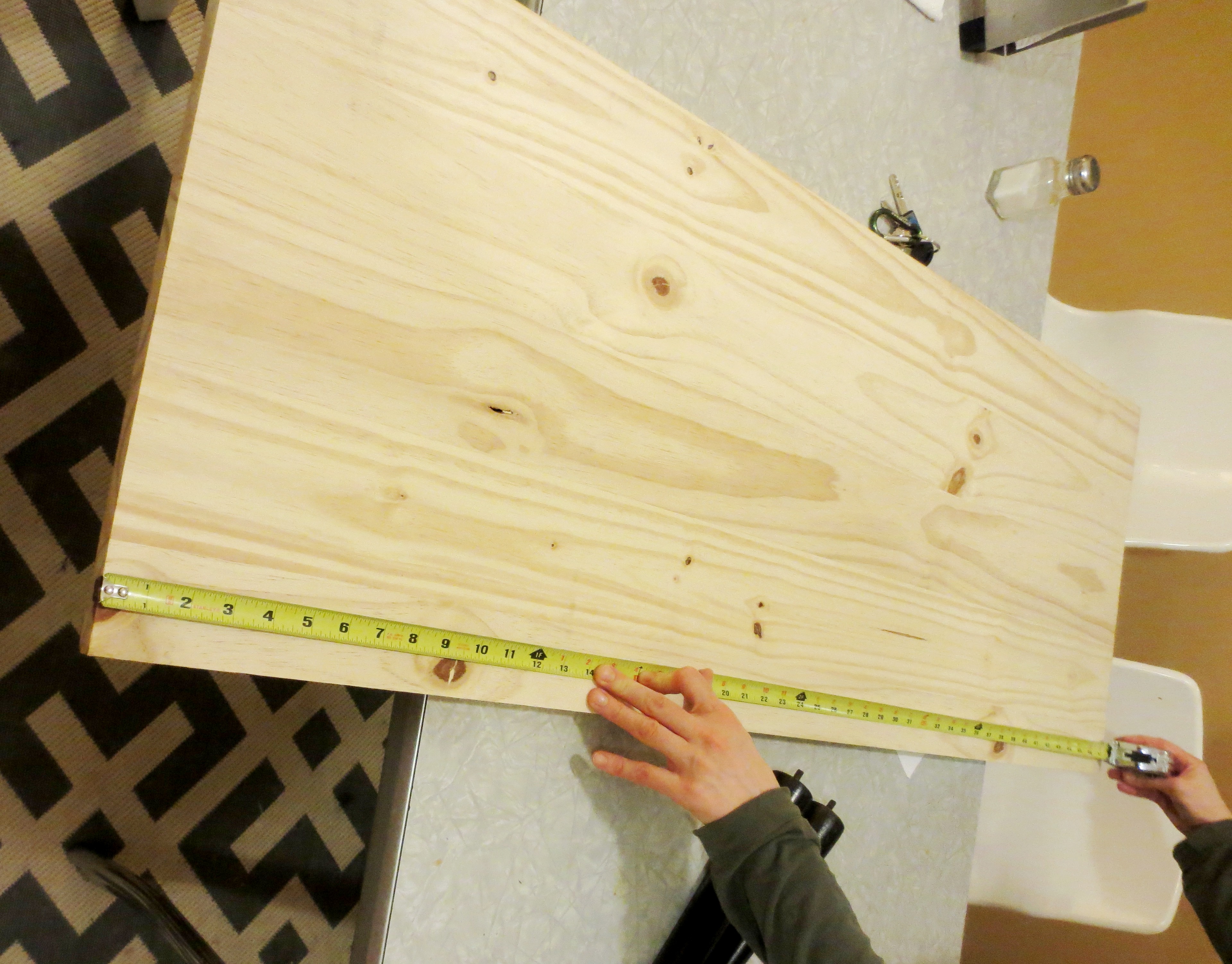
Picture 002If you are feeling rustic, or that you have something to prove, you can cut these pieces with a handsaw.  However, last fall, we bought a terrifying circular saw at an estate sale, from a dead man who had a few rusty power tools hidden amongst thousands of Christmas trinkets that had been hoarding for decades.  The saw actually left burn marks on our wood, and filled the house with smoke (the kids were sealed up tight in their bedrooms), but otherwise got the job done. I’m pretty sure this desk will be cursed.

Scott posing with the haunted circular saw

Scott posing with the haunted circular saw. Not shown– bottle of holy water.

STEP 2) SAND the wood in the direction of grain.  The urge to sand against the grain is strong, but  remember — you’re not punishing the wood, just trying to smooth out any minor imperfections and get it ready for painting and staining.
I used a sanding block because I find it relaxing.  New plywood, unlike most things in my life, is quite agreeable.

Picture 020Use a damp (not wet) rag to wipe off the dust.  My daughter just happened to tear a hole in both knees of these pants over the weekend, so into the rag bin they went.  While waiting for the wood to dry, we got to reenact a scene from Dr. Suess’ “What Was I Scared Of” (commonly called “The Pants With Nobody in Them”).


Picture 022palegreenpants

STEP 3) PAINT AND STAIN the raw wood for an eye-catching two-tone effect.  Crack open the oil-based primer and a couple disposable brushes. TIP: Pull all the loose hairs out of the brush BEFORE you start.  Picture 030These cheap-ass brushes are full of loose bristles; easier to pull them out now than pick them out of wet (or dried!) paint.  Paint the primer over the top (not the sides) of your largest (18×24) wood piece. Note that we will be priming and painting the 11×24 piece AFTER we screw everything together.
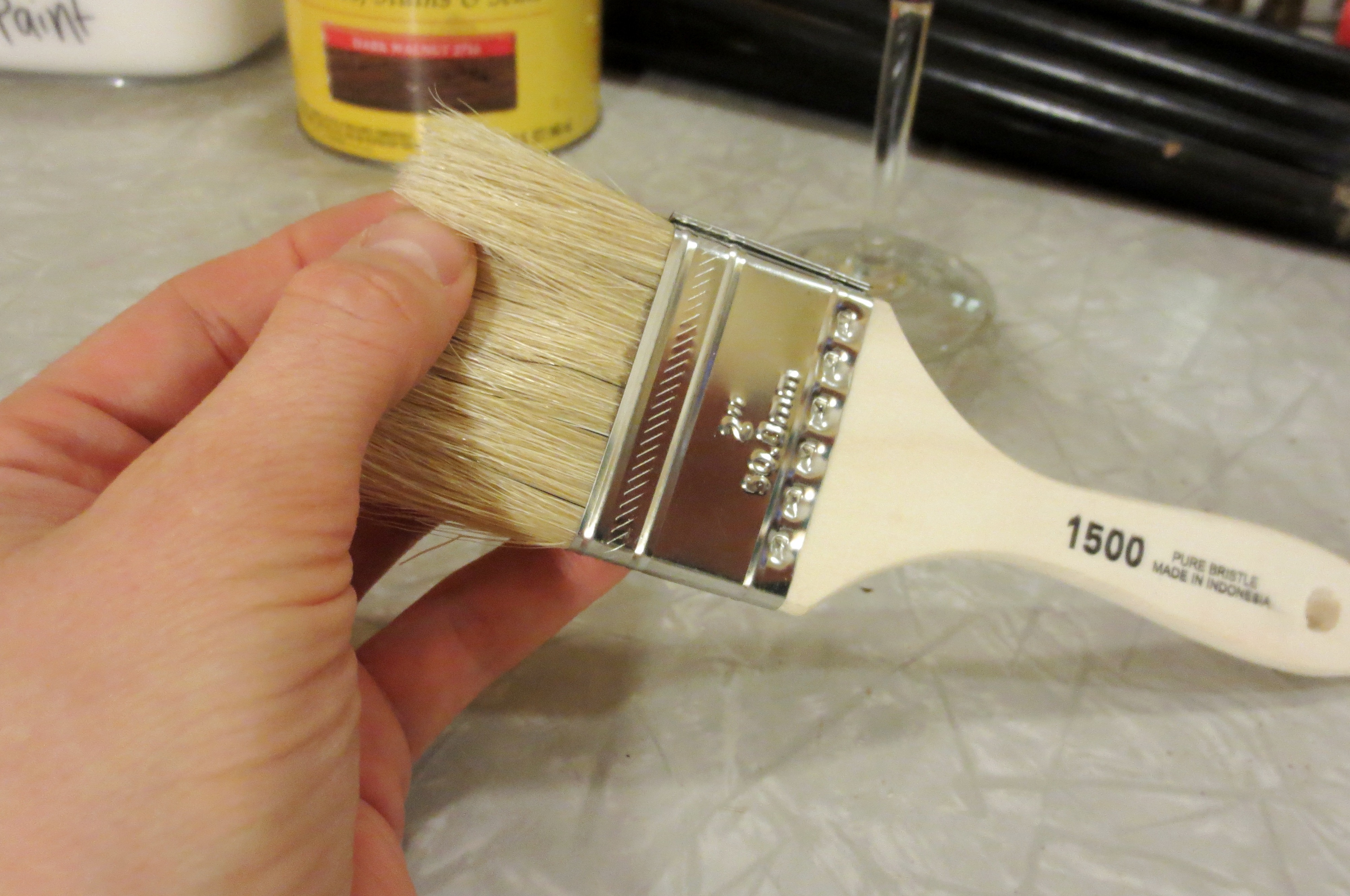

Picture 031

I recommend pairing your oil-based primer with a dry Spanish tempranillo

Now you can stain the SIDES ONLY of the 11×24 and the 18×24 pieces, and then stain the entirety of the twin 9×7 pieces.  Note that from here on, we will call these pieces “the monoliths” in honor of everyone’s favorite late-sixties mind-bending sci-fi spectacle.

monolith

2001: A Space Odyssey

Picture 075

2013:  Plywood Odyssey

Since the stain is oil-based, apply with either a rag or a disposable brush.  Remember to wipe up any little puddles of stain that remain after about 10 minutes, or you’ll have yourself a greasy little mess that’s almost impossible to clean.  Raw wood is super-thirsty, but unlike me, it does have portion control.Picture 033

While the primer will dry in just a couple of hours, the wood stain needs about a day to soak in.  If you’re not too dizzy, apply a coat of white latex paint over the primer (tape over the stained area), finish your glass of wine, and go to bed. You can apply a second coat of latex paint in the morning, but I think one layer each of paint + primer is good enough.
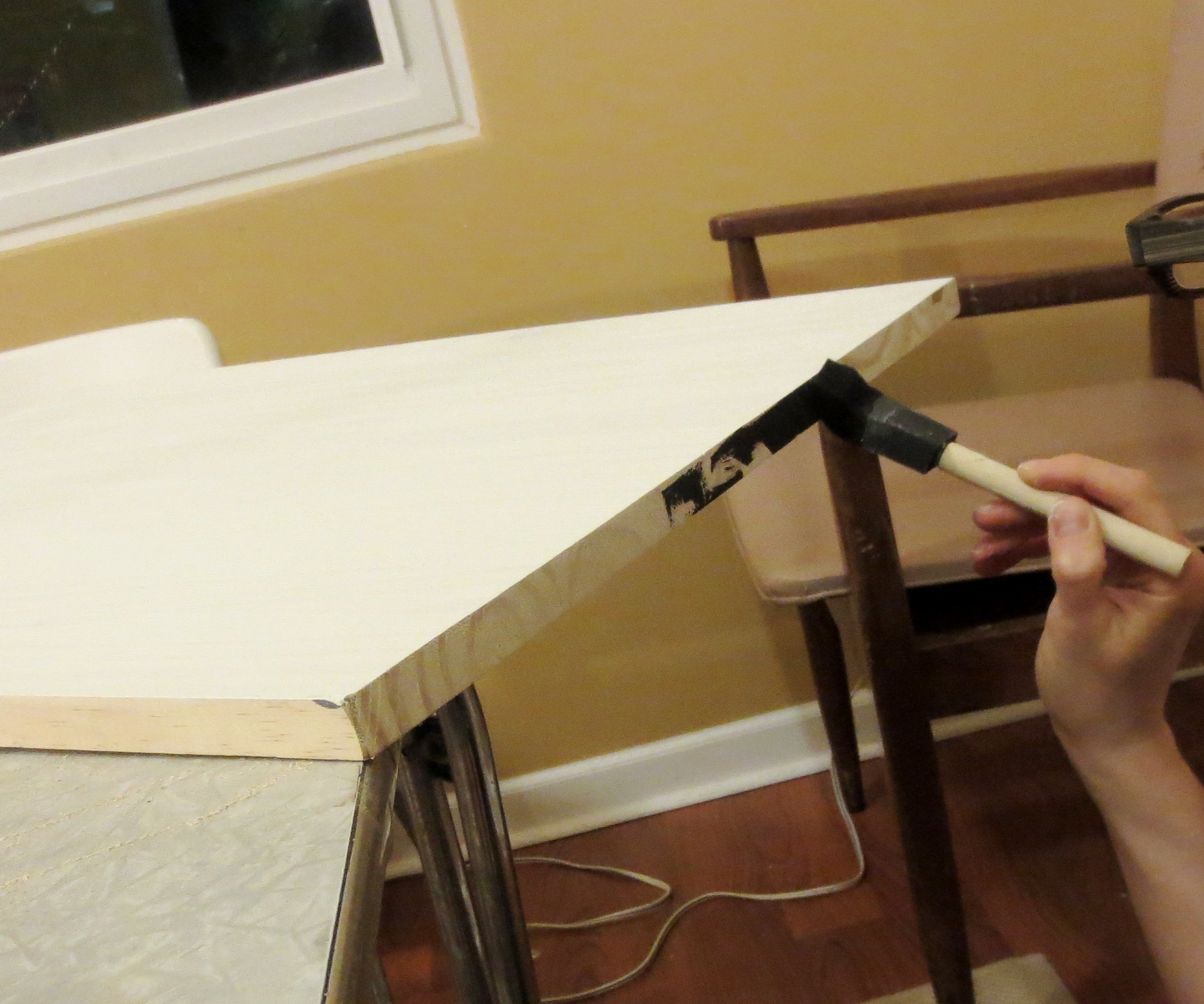
Picture 039

Picture 053

Not an ad for Minwax

STEP 4) SHELLACK! When all the primer/paint and stain has dried, you can apply polyurethane, or shiny varnish.  If you’re tempted to skip this step, ask yourself: Do you want a durable, gleaming desk that will give you decades of enjoyment, or a scratchy, gummy mess that won’t last a week of your abuse? Thought so.

Happily, the varnish is water-based, so use whatever brush you want; clean with soap and water.  Varnish everything except the 11×24 piece, which is still raw on top.  Brush it on with a very, very thin coat.  After it dries for a couple of hours, you can sand it with a super fine (200+) sand paper, wipe it down, and varnish again.  Do NOT slop it on thick– every teeny little puddle of varnish will dry into a hard plasticky white booger.  And you will spend the rest of your life trying to pick that thing off your beautiful new desk. Is that what you want?

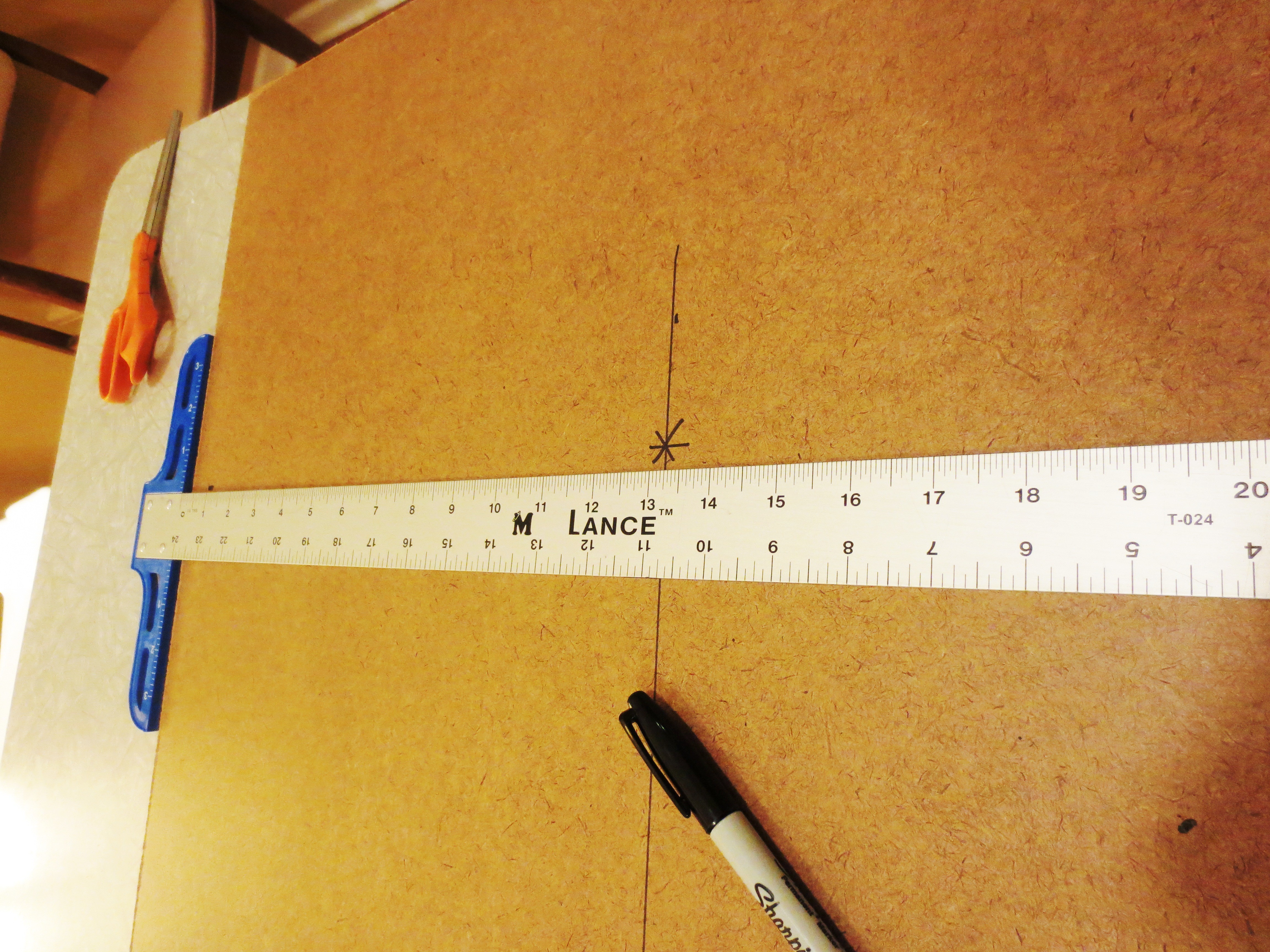
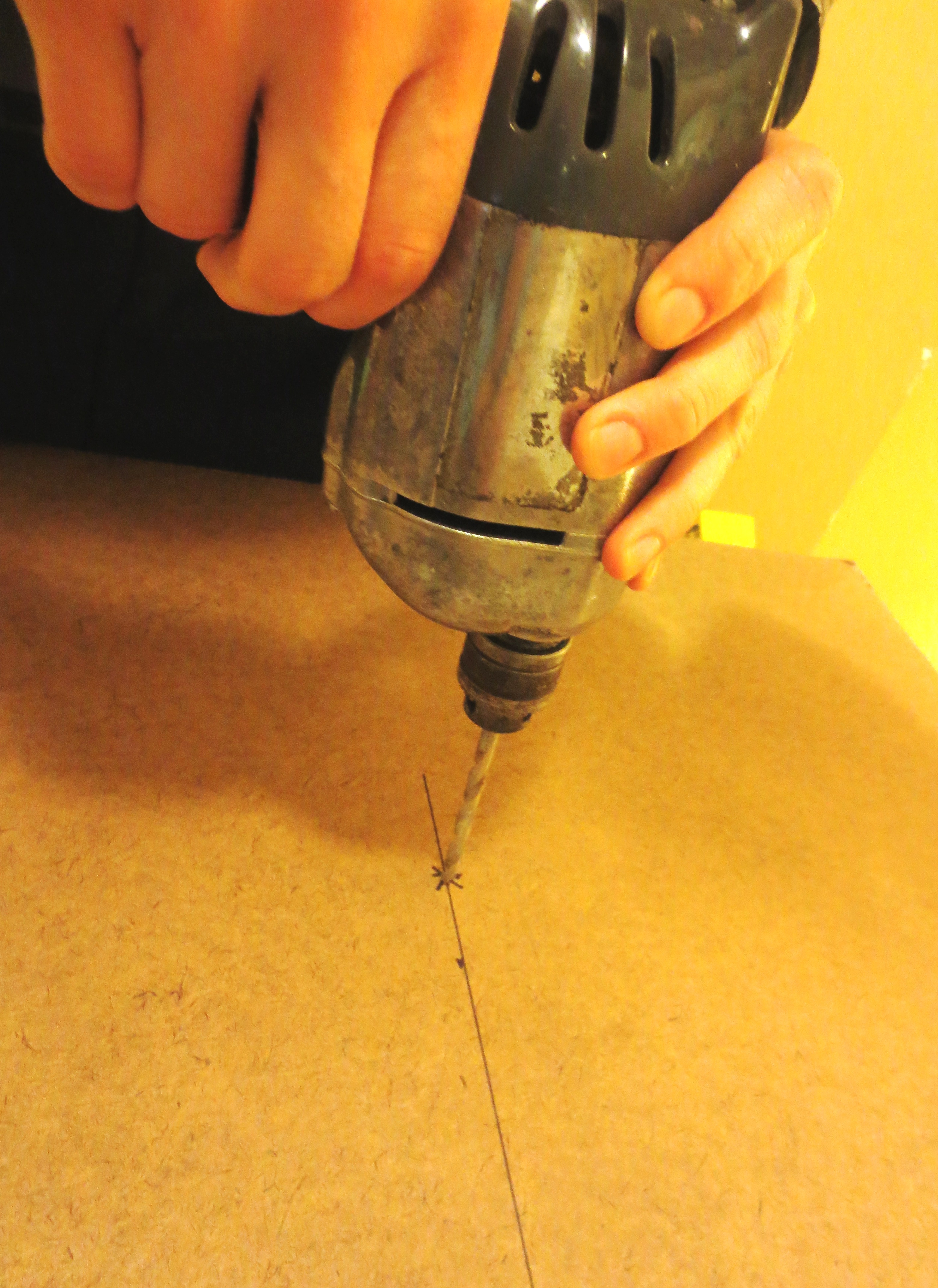
STEP 5) ASSEMBLE:  On the bottom of the big piece, mark where you want to screw in your legs, and drill pilot holes (i.e. slightly smaller than the screw on the top of the leg).  I drilled mine about two inches in from the edge – a compromise between stability and achieving a dramatic modern cantilevered look.  Be sure to note the thickness of the wood and mark your drill bit with tape so you don’t drill THROUGH the wood.
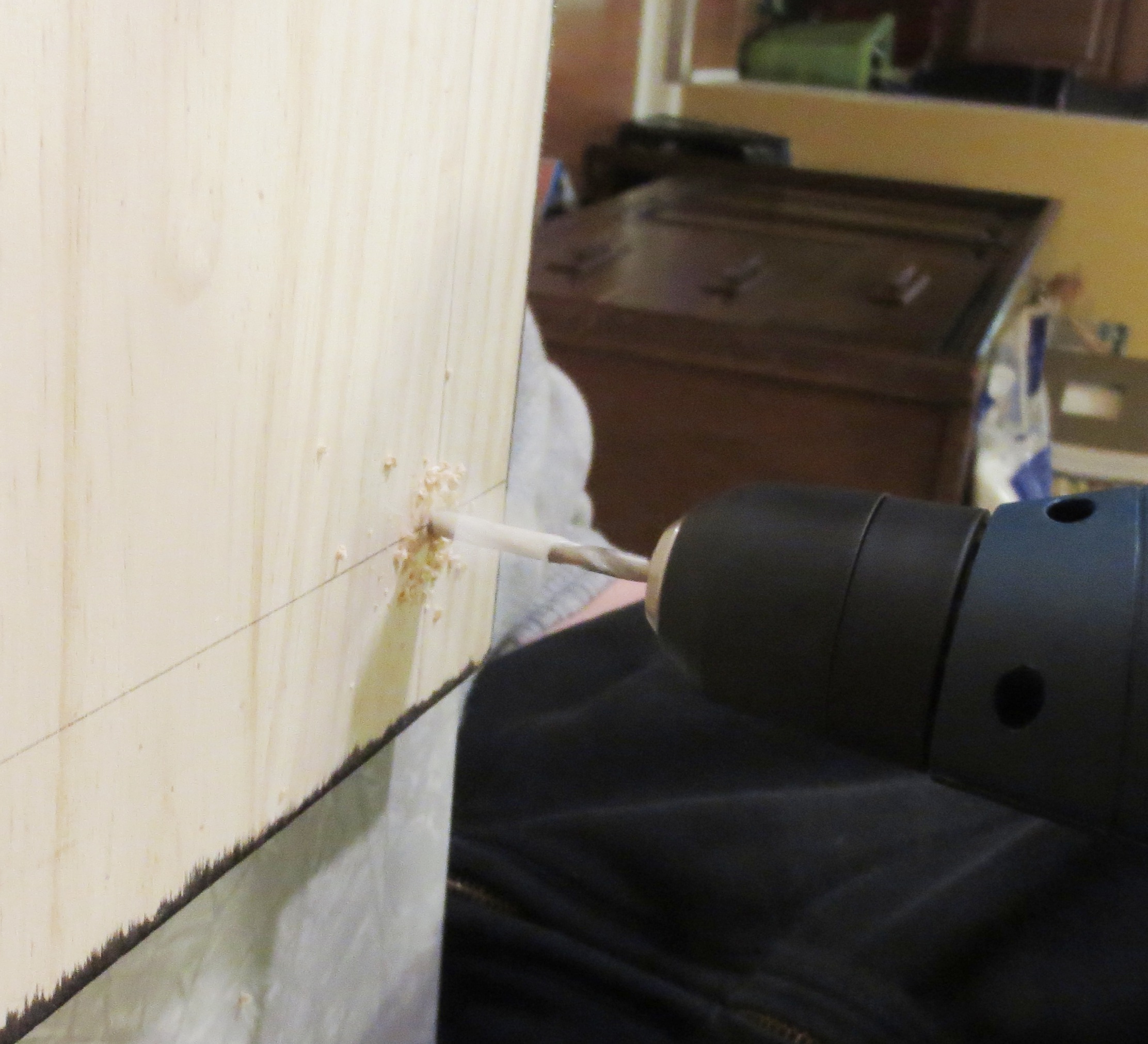
Picture 061Flip the board back over and secure to your table with clamps. Hold each monolith flush with the back and about two inches in from the edge of the 18” side; lightly trace their outline with a pencil or chalk (7” side down). Drill pilot holes all the way through the wood, about an inch from the inner edge of your outline, or about six inches from the back.
Picture 070
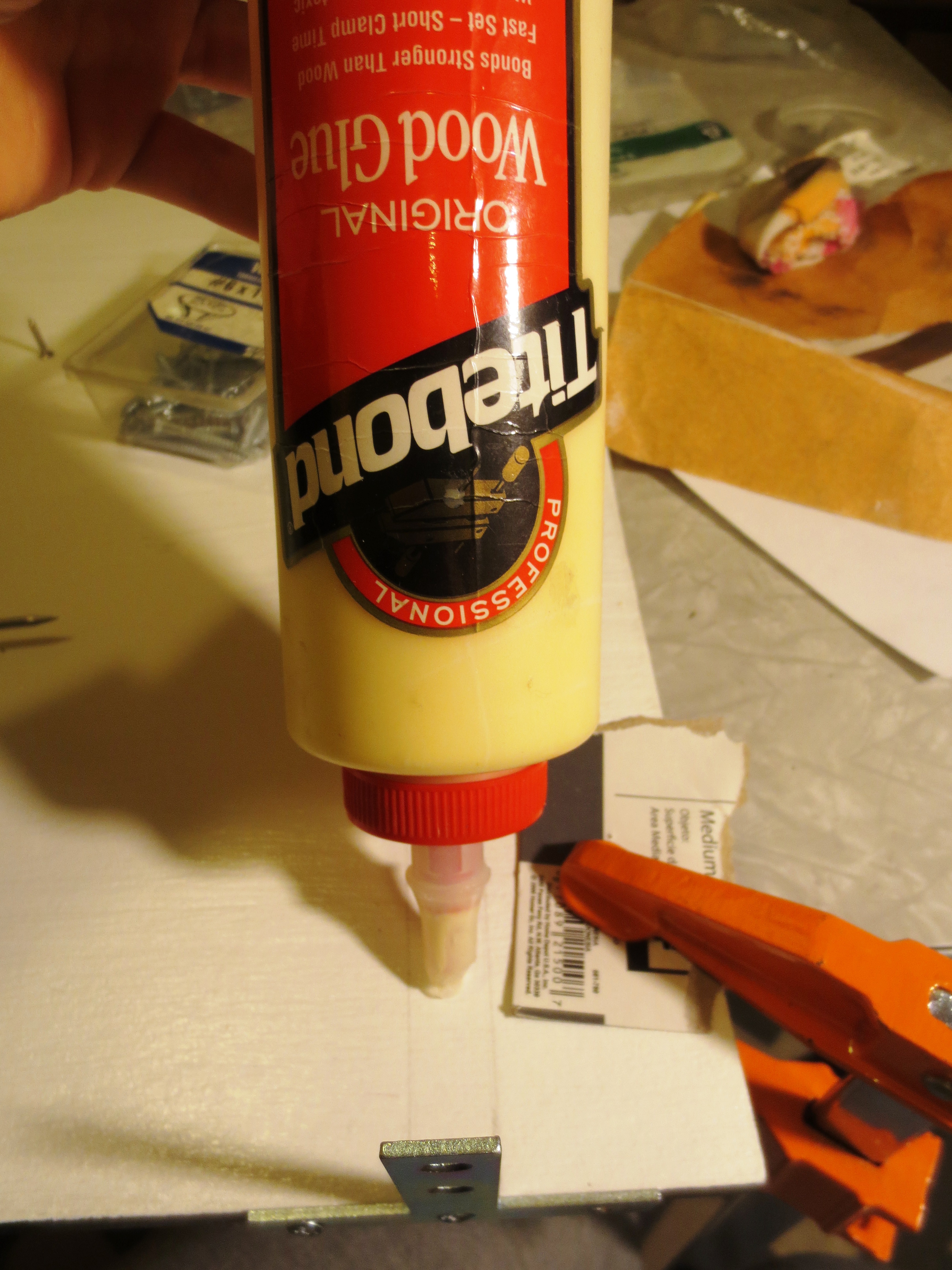
Lightly sand inside the outline of the monoliths, smear some wood glue and clamp the monoliths in place. Let dry for about half an hour.

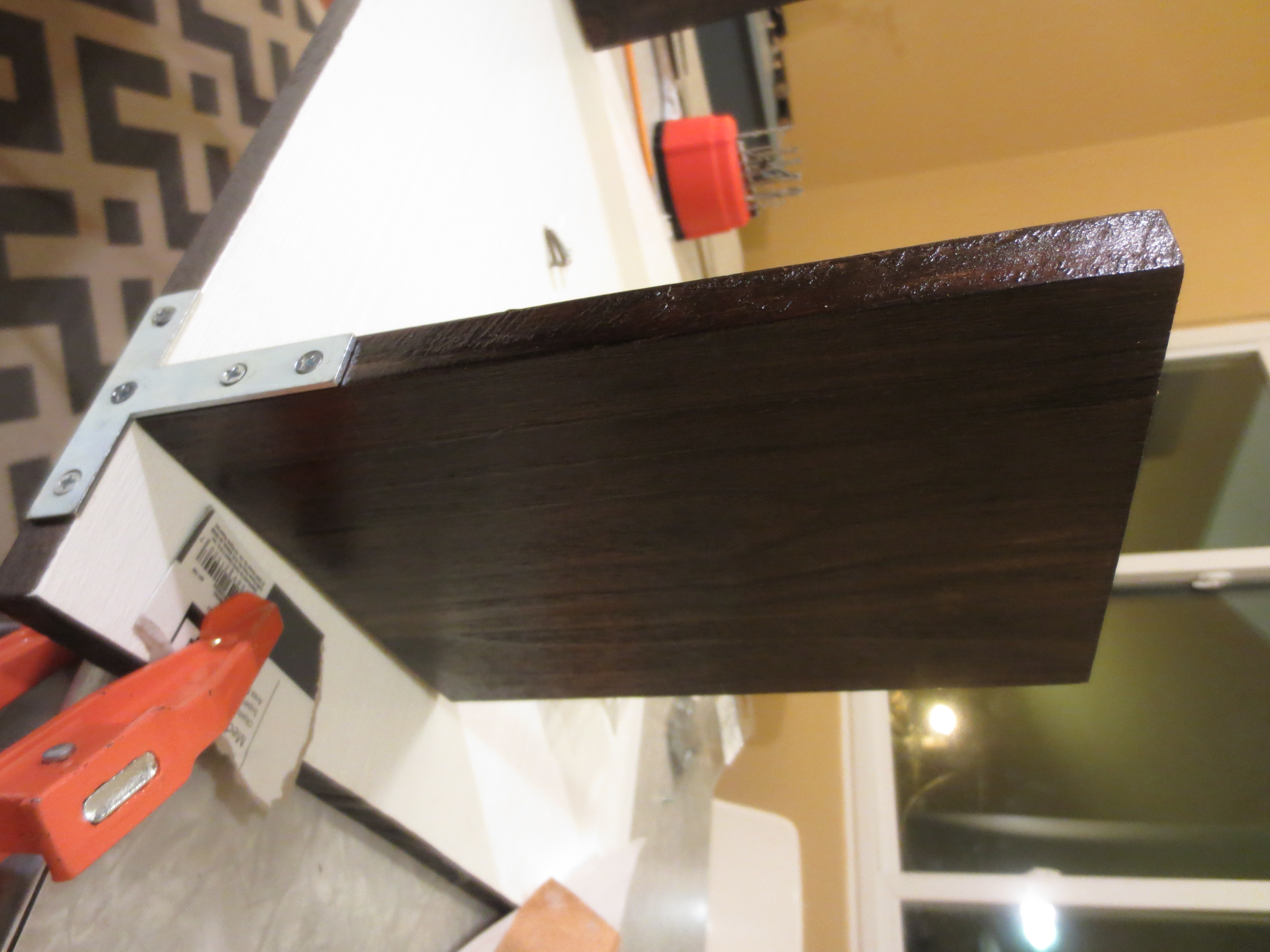
Line your “T” brackets along the back edge of the monoliths/bottom panel, and screw wood screws into the holes, starting with the bottom, larger piece. I used an awl to push a divot into the center of the hole, so the screws would know where to go. I also find it easier to do the final tightening by hand.
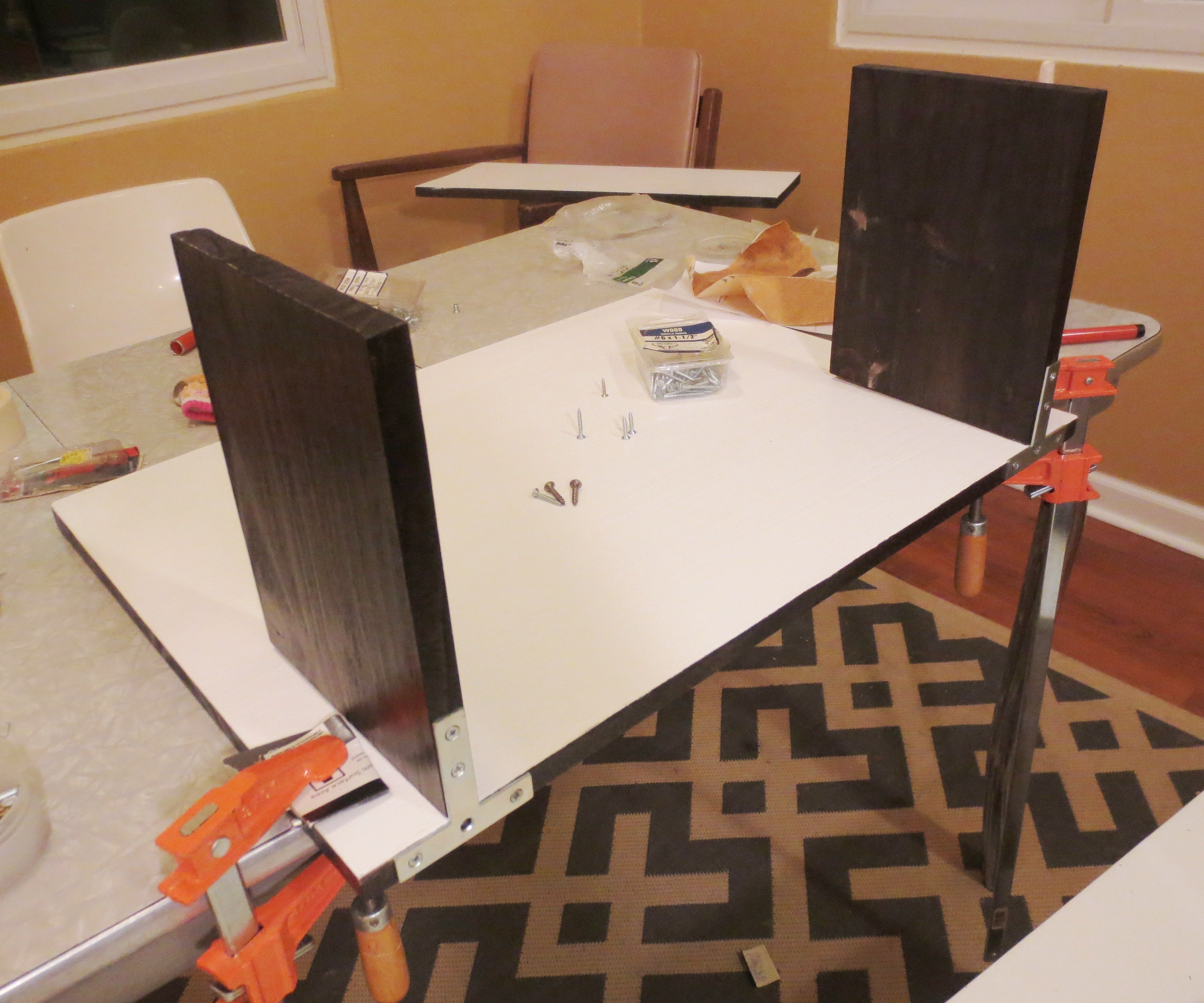
Picture 072 Flip the whole thing over again so that the monoliths hang over the side of a table; secure again with table clamps.  Drill a wood screw into the pilot holes you made earlier.  Tighten by hand.
Picture 076Track down the remaining free (11×24) piece and align it on top so the back is flush with the back of the monoliths, parallel to the bottom piece. On both sides, mark a spot about six inches from the back– directly above the monoliths– and drill a screw down securing the top to each monolith.
Picture 082
Grab your last two “T” brackets and screw them into the back, connecting your top piece to the monoliths.
Picture 087Now, we’re almost done talking about screwing.
Picture 095

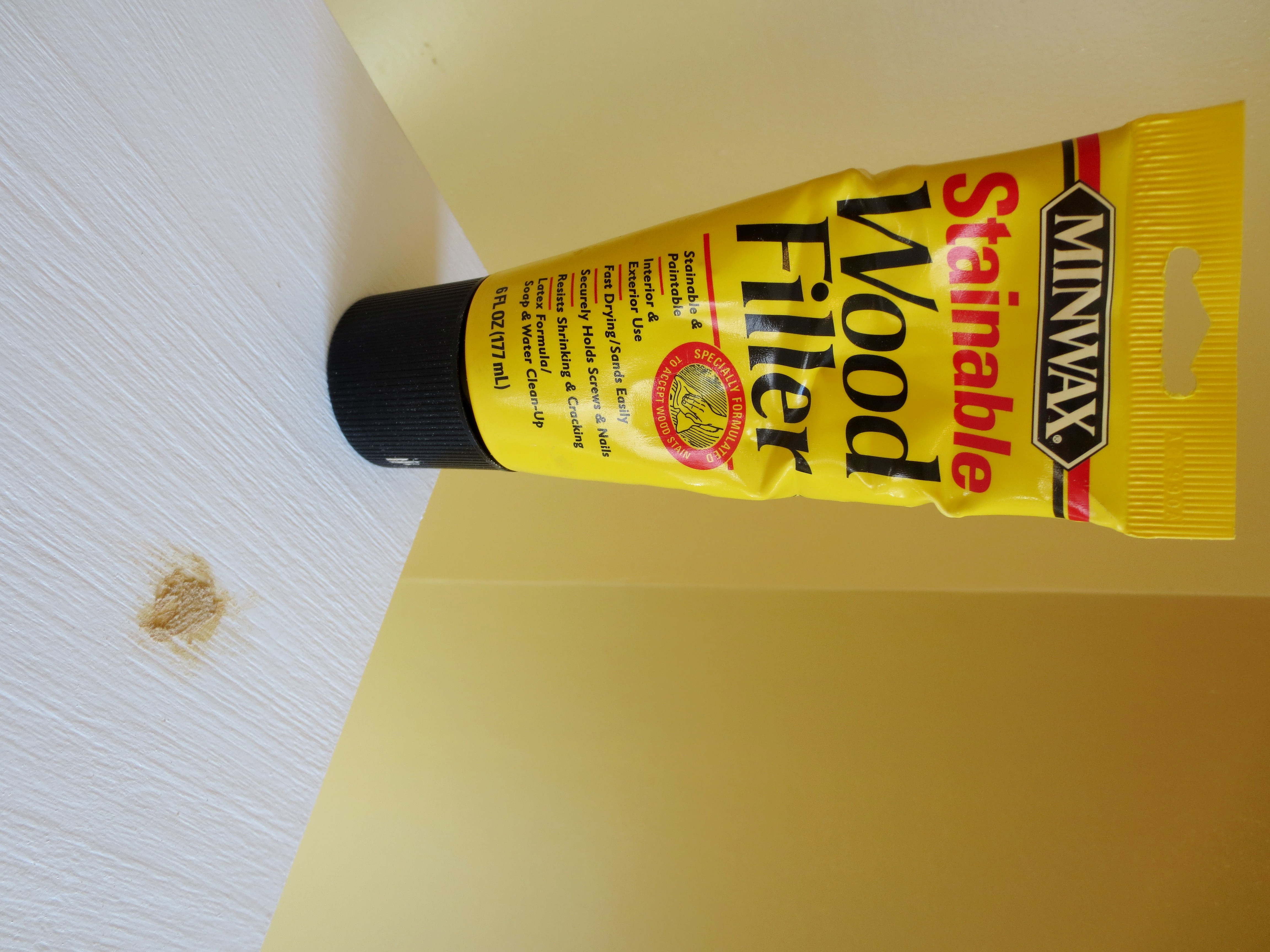
Another fine Minwax product

But first, let’s deal with those unsightly screw holes on top.  Squeeze some wood filler into the holes, smoothing out with your finger or a putty knife.  When it dries, sand it smooth, wipe clean and cover with two coats of primer (give it an hour or two to dry between coats), and then a coat or two of latex paint.  Finish with about two or three coats of varnish (about two hours between coats).

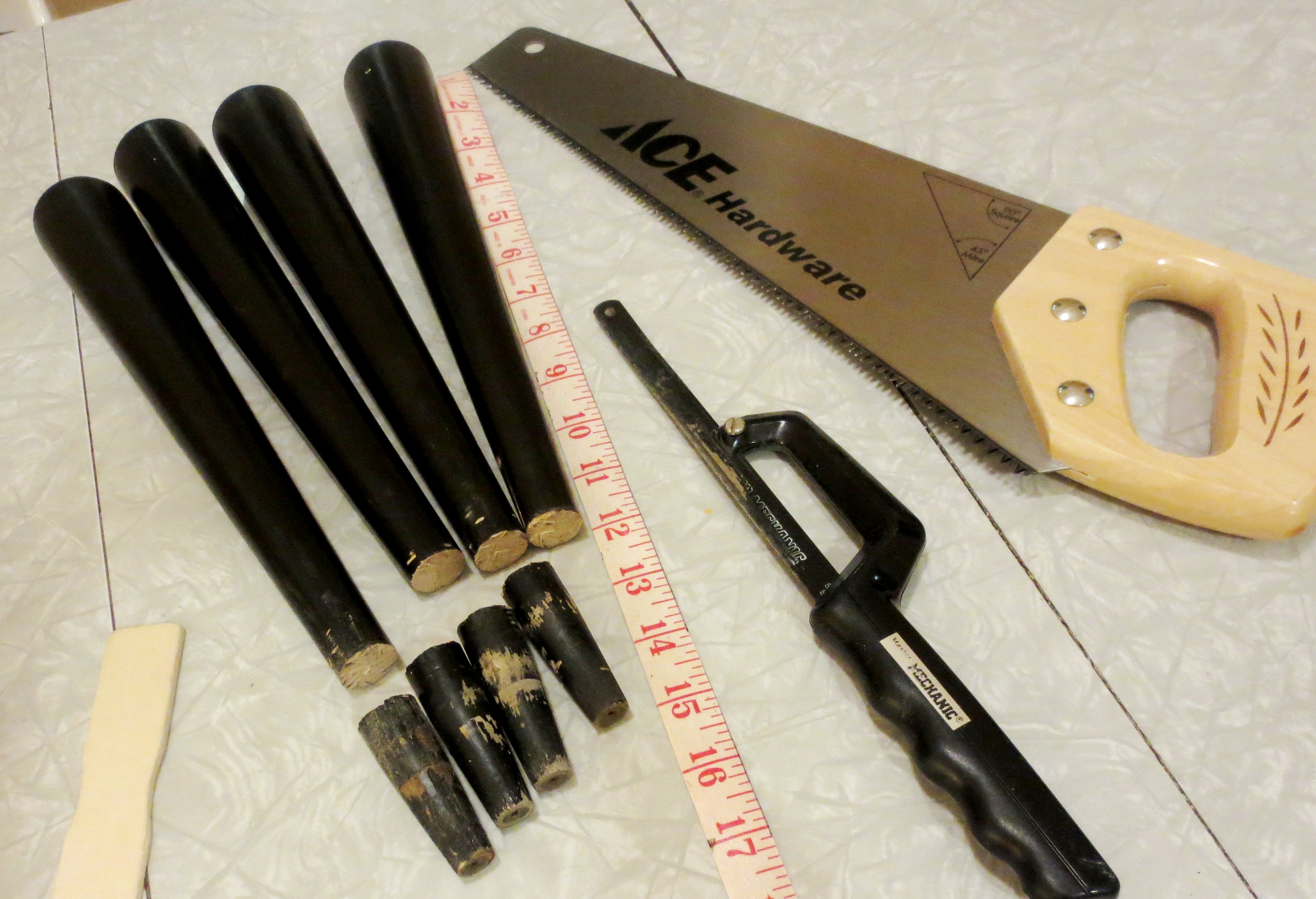
Bend over and grab your legs. Mine were salvaged from a beautiful, but busted, old slatted bench (seen at header of this blog). Since they were about two inches longer than I needed, I used a handsaw to cut off the ends.
Picture 051

Unfortunately, you can’t do this step while watching Downton Abbey.

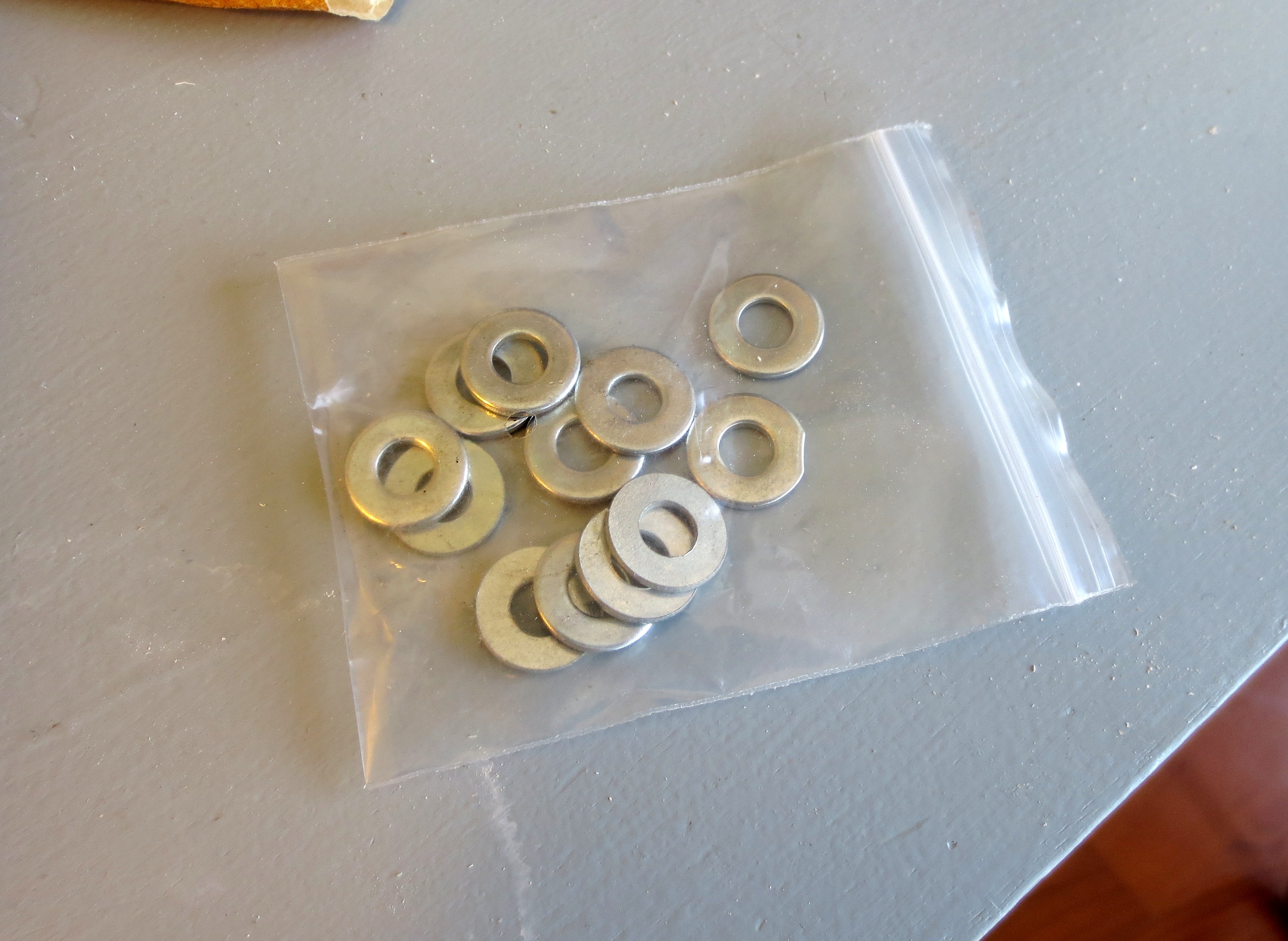
I also needed to make a run to the local hardware store for washers, since the screws at the top of the legs were longer than the thickness of the wood I was screwing it into. However, the washers came in this cool little baggie that my husband quickly snatched up (note that he is not a drug dealer, he just has a lot of tiny things).
Picture 097Screw in the legs, and you are done!
Picture 099Just add a laptop and a keyboard, and you, too can be an underpaid member of the new Creative Class!Picture 114

Picture 112

This picture is super-meta… that’s my blog on the screen, which is also on your screen.
Blades + Babes: The Painless Art of Cutting Kids’ Hair

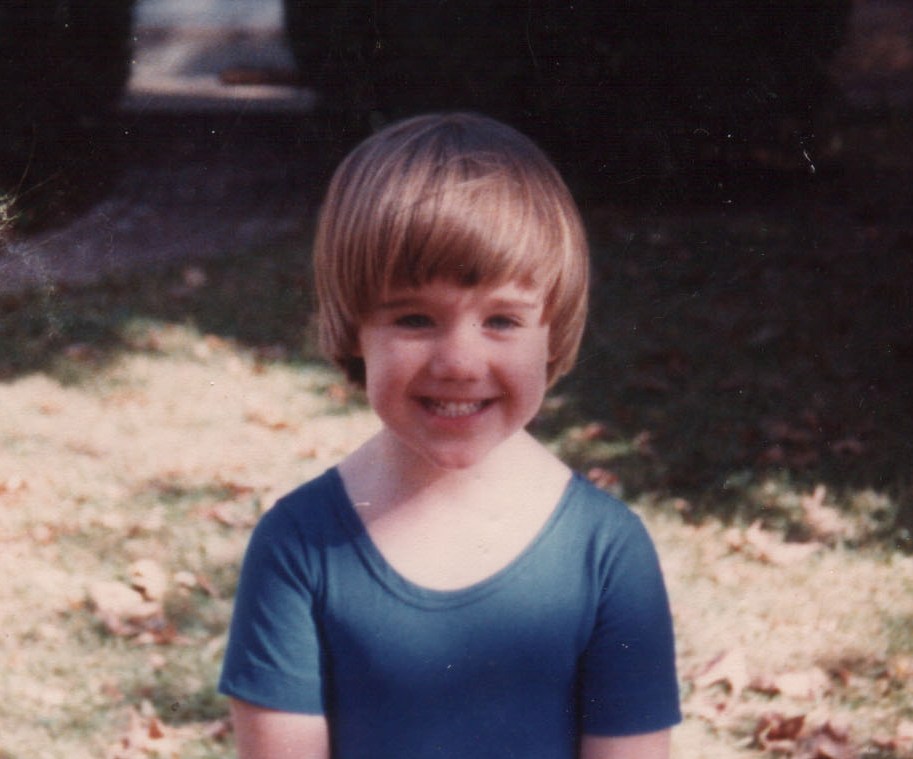
When I was a little girl, I dreamed of getting that doll whose hair you could cut over and over again.  Inside her little doll head was an endless mane of golden hair, just waiting to be cut and styled.  Snip it any way you like, and then just pull more out of her scalp and repeat.

Sadly, no one ever bought me that doll (probably because it didn’t actually exist).

Dancing Baby Clare2

Me at exactly the same age Estelle is now, during the Golden Age of DIY bowl cuts.

But now I have my own!  Her name is Estelle and she is three years old.  I get to cut her hair, and then like magic, it grows back again.

I suppose I could take her to a Beauty Professional, but I can’t pass up an opportunity to be both cheap and creative.  Besides, my mom cut my hair for most of my childhood. If it was good enough for me, then, well… you see where this is going.

And on a purely practical level—short hair is the only rational response to toddler hygiene.  On a typical day, I might find one or more of the following substances woven into my children’s hair: jelly, bananas, spaghetti, glue, pancake syrup (only on weekends), hummus, stamps, boogers, sushi rice or hard candy (for children 3 or older).

Picture 459

A different child, expressing himself with chili

Before we begin the tutorial, my legal team needs me to say that I am not a professional beautician, I have no formal beauty training, I’ve never even watched a YouTube video on the subject.  In short, I cannot be held responsible for what you do to your own children.
The four magic words to remember —it will grow back.

TOOLS:

  • Comfortable chair; a high chair is good for little ones.  For bigger Picture 074ones, anything low-backed to give you easy access to their head and neck.
  • Bib or towel
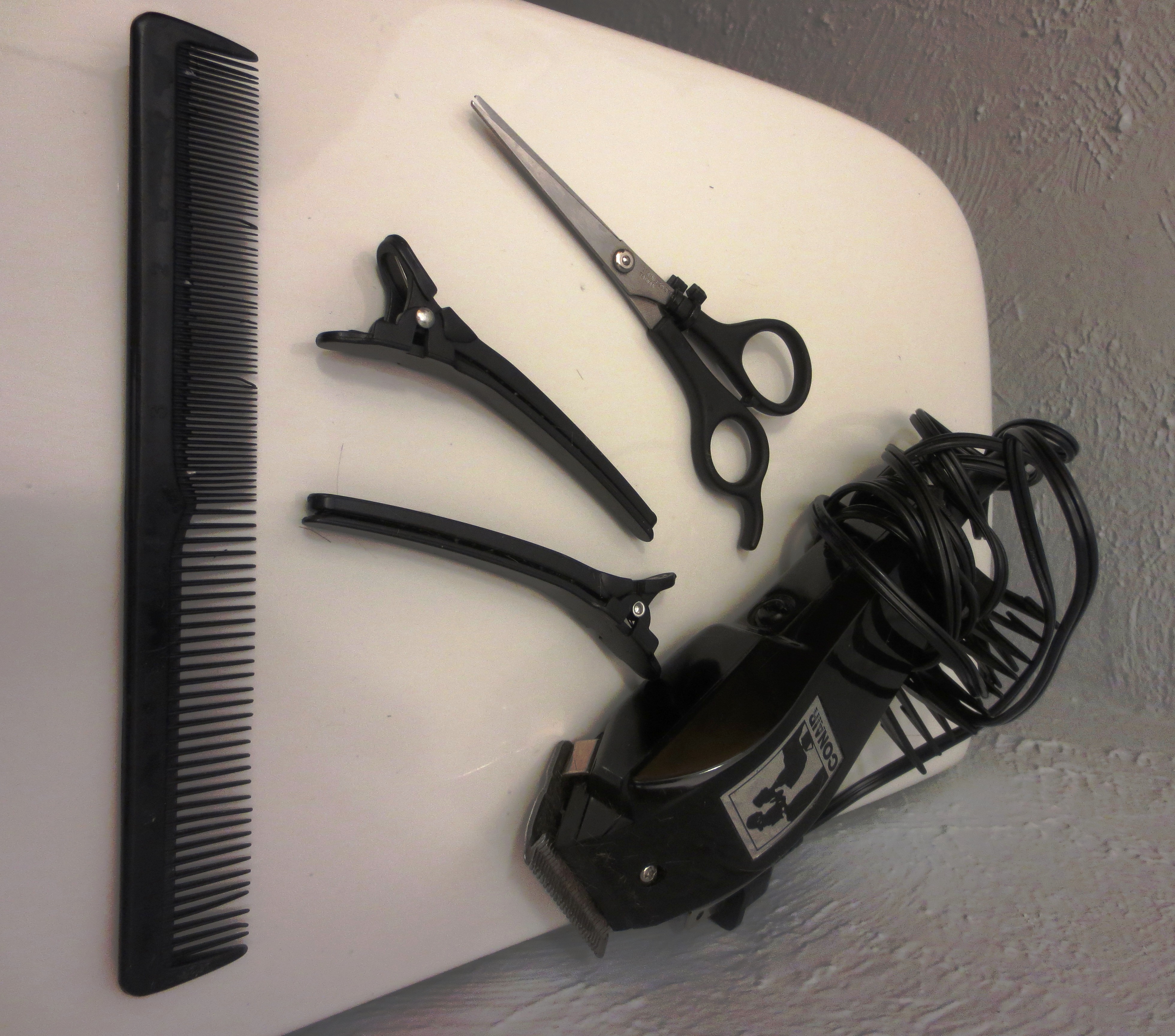
  • Scissors – Don’t just grab some from your craft drawer. Get proper hair-cutting scissors. They’re not too expensive and are sharp enough to get the job done.
  • Comb
  • Clip or barrette (or use a binder clip or one of those clips you use to close a bag of potato chips)
  • Clippers
  • Powerful Vacuum Cleaner
  • TV and treats

STEP ONE:  Choose your distraction
Don’t hold back – go straight for the Big One.  For Estelle, it’s Thomas the Tank Engine.  I could give her a neck tattoo and a frontal lobotomy and she wouldn’t notice, as long as Thomas is being a Really Useful Engine.

Picture 001And yes, this means you have to play beauty shop in the living room, or wherever you keep the TV.  But really, it’s much easier to let the hair fall in the carpet and vacuum it up later.  The kitchen might sound more appropriate, but do you really want all those tiny hairs drifting onto your deli platter?

Speaking of food, you may be tempted to distract your child with it.  Don’t.  Once I tried to distract Estelle with a slice of cake – a big one with extra frosting.  She sat in her high chair, nervously picking at the cake while I snipped away.  Soon all the little hairs started falling into her cake.  Not surprisingly, she lost her shit – and both the haircut and the cake (the last piece!) were ruined.

STEP TWO: Prepare the victim
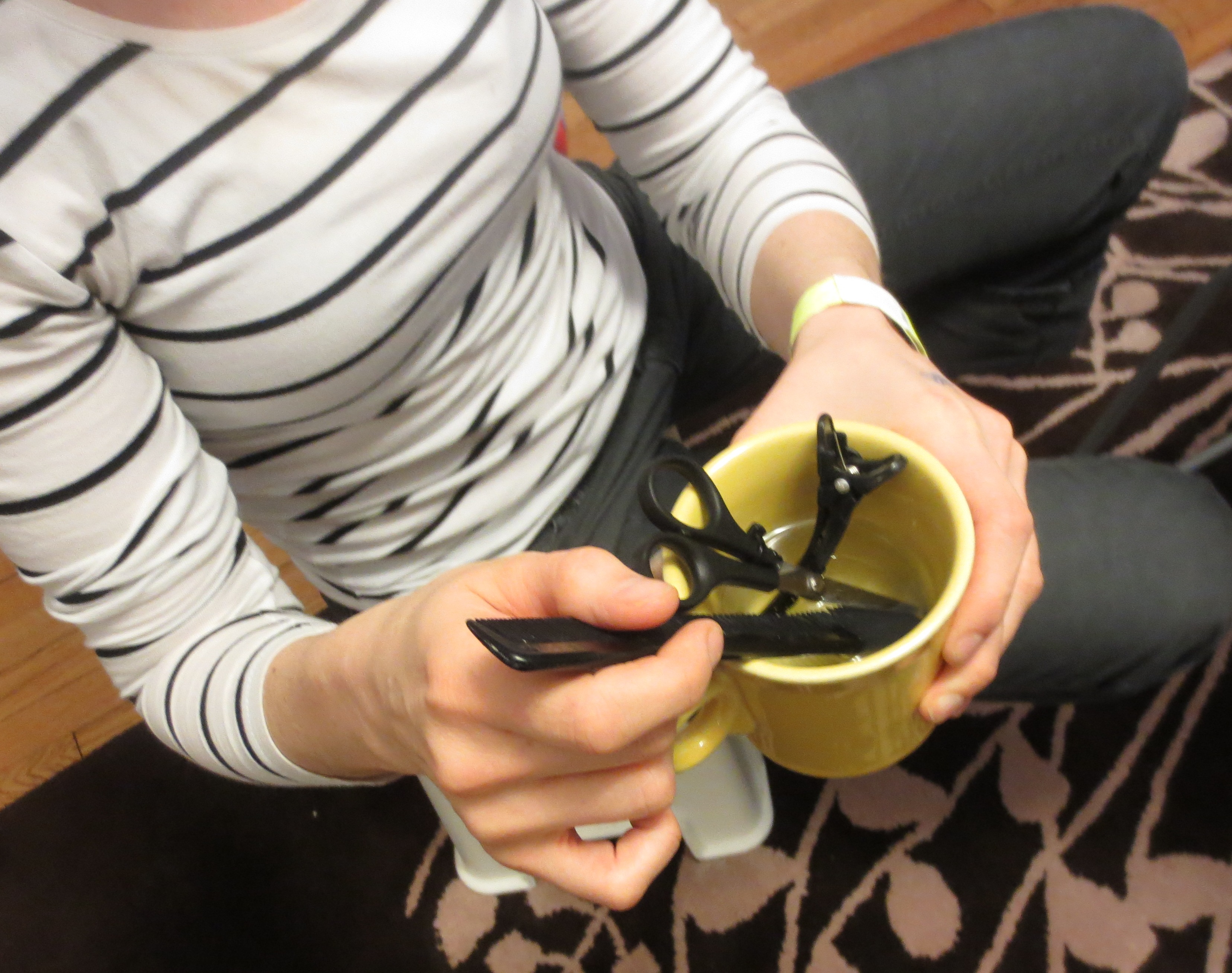
Sit your darling angel in the chair and fasten a bib around her neck. Go for a full towel if she can stand having her hands covered, but don’t be surprised if she gets agitated about not being able to stick her fingers in her nose or mouth.  Better yet, dress her in long sleeves and pants, even a turtleneck if possible– those bits of hair feel like shards of glass to a fussy preschooler.   Turn on the TV.  If you’re feeling extra manipulative, place a plate of (covered) treats just out of her reach; tell her she can have one when you’re through.  Dunk your comb and scissors in a cup of water to keep things a bit damp (spraying her down with a water bottle will agitate her even more).

Picture 006STEP THREE: The back
I find it easiest to start in the back, then move to the sides, and finish with the bangs.  I’ll show you how to “stack” the hair in back, resulting in a gradual tapering to the neckline.

Image your kid’s head as a sphere with four or five layers (which it actually is).  Gather the hair in the top layer and pull it towards you, separating it from the rest of the hair.

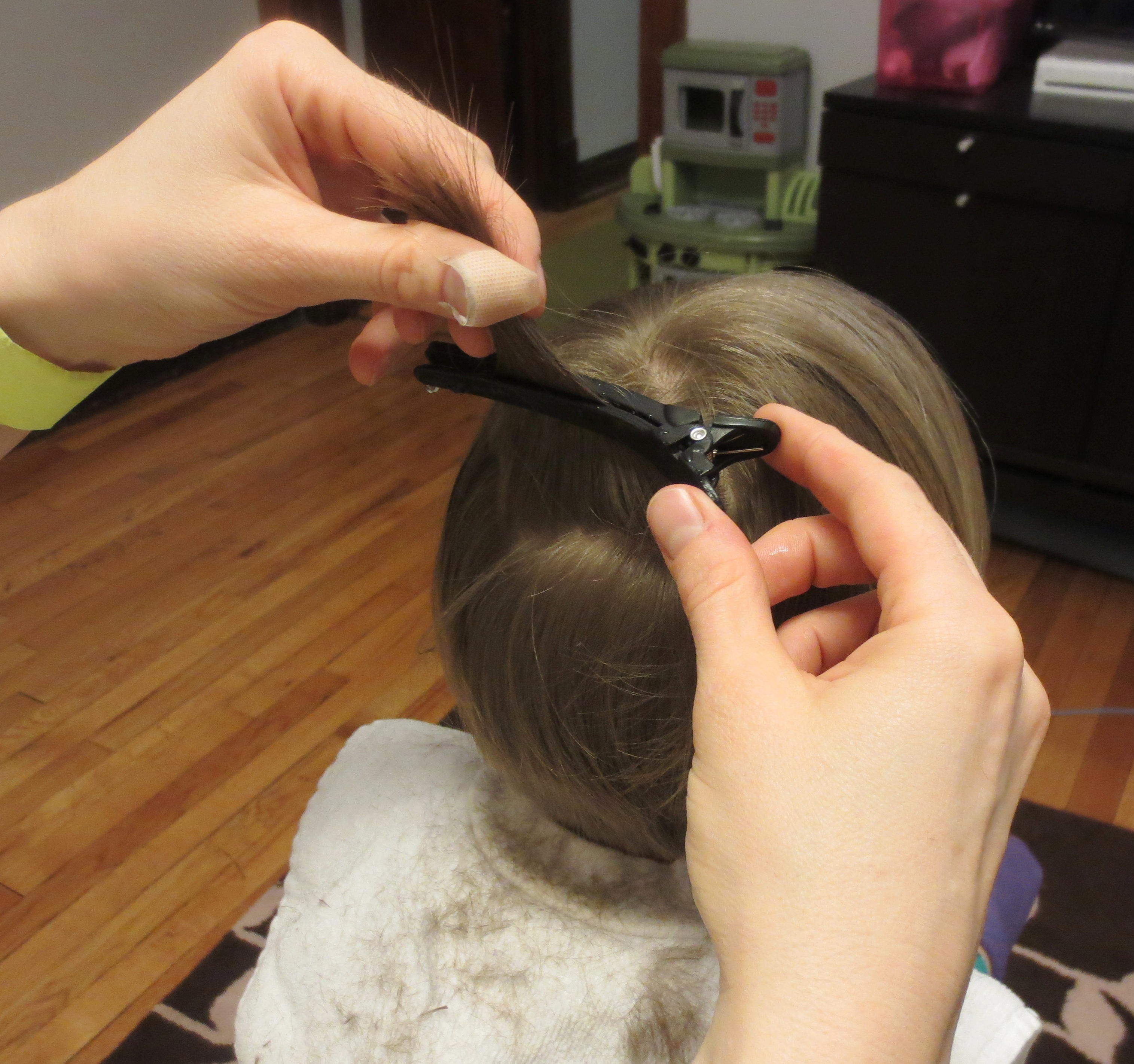
Picture 021If you are cutting more than an inch or so, go ahead and slice it off horizontally.  After that (or if cutting a smaller amount), start clipping “vertically” with the scissor blades parallel to the hair.  Hold the hair between the index and middle finger of your left hand, cutting with your right (reverse for lefties). Cutting vertically ensures that each layer blends seamlessly into the next, without choppy piles of hair lying awkwardly on top of each other.

When you finish the top layer, gather it in a clip to keep it out of your way.

Picture 026Repeat with the next several layers, making each one slightly shorter than the top, and clipping it out of the way when you finish. I like to finish the  back with a clippers, but not until the very end of our session.
Picture 028STEP FOUR: The sides
Move around to the sides. Since I like to give Estelle what I call an “angular sloping bob” (patent pending), I try to pick a spot above and slightly behind her ear, and then create a downward angle all the way to her chin.
When I’m cutting more than an inch, I go ahead and slice horizontally across to get the angle I want, then go back and cut vertically to smooth out the ends.

Picture 033On the sides, I like to make the top layer slightly shorter than the bottom layers, to give her stringy toddler hair some fullness and texture (remember Jennifer Aniston in the 90s?).  Again, cut the top layer and pull it up with a clip while you snip the bottom layer(s). You don’t need quite as many layers on the sides as you used on the back, since it’s longer and a more even length.

Picture 036
SAFETY TIP!  Mind those pesky ears! If I could, I would duct tape her ears down, so I wasn’t constantly folding them over and out of the way (though I probably wouldn’t post a picture of this on the internet, so I guess you’ll never know).

STEP FIVE:  The other side
If your child has two sides to her head, you’ll have to repeat step four on the other side, taking care to cut at the same length and angle as the first side.  If you’re going to screw something up, try to do it on the first side; you can duplicate the mishap on the second side and it won’t be as noticeable.

STEP SIX:  The back…again… with clippers (optional)
OK, I know we already did the back. But after I finish the sides, I like to go round back and make sure the sides and the back connect in an even and pleasing way.  At this point, your child is starting to loose patience, and will completely melt down while you are cutting her bangs, so finish up the back NOW.

If you are keeping things short in back, this is also the time to fire up the electric clippers.  I find it extremely difficult to get a close cut near the neckline, and jabbing a scissors at the neckline of a wiggly toddler is a pretty easy way to draw blood and create lifelong emotional scars for both of you.

Picture 047

See how it’s kind of choppy in the back? The clippers will buff that right out.

The whirring of the motor will be a bit unnerving to your little one. No problem, just turn up the volume on the TV. Using a long or medium guard, place the clippers at the base of the neck and pull upwards in a sweeping motion, gradually pulling the clippers away from the head so that the hair at the base of the neck is cut shortest.  Repeat with increasingly short guards until you reach the desired shortness.

It's not your eyes, this picture really is blurry.

It’s not your eyes, this picture really is blurry.

CLIPPER TIPS:  #1– Don’t take “shortcuts” and reach for the shortest guard first.  That is the quickest path to an unsightly bald spot.  Start with a long or medium guard and work your way down, if needed.  #2– I strongly advise you to buy your own electric clipper set. You can get a decent one for $20-30 at any department store; they will pay for themselves after only a couple of home-haircuts.  Also, they can be used on pets (mammals only) and wool sweaters.

STEP SEVEN: The bangs (also optional)
We’re a bangs family.  Like most of my hair decisions, this is more practical than stylish, since it means we don’t have to pull her hair back with barrettes or rubber bands that will inevitably be lost or swallowed.

Although this is the smallest area of hair by volume, it will be the most difficult to cut because you have to get between your child and the television.  Warn her that you might get in her way, and stay off to the sides if possible.  Remind her that this whole ordeal with be over soon.  I told my kid to count to 50, because the concentration it takes for a 3-year-old to count to 50 is distraction enough.

Picture 057

Ain’t nobody got time for this.

Pull the side hair back with clips to keep it out of the way.  Divide the bangs area roughly into thirds, gather the first chunk of hair between your index and middle fingers and cut vertically with the other hand.  Repeat until you’ve cut all the hair.

STEP EIGHT: The aftermath
If you’ve got a valet or a lady’s maid, have him or her draw the bath while you’re finishing the bangs.

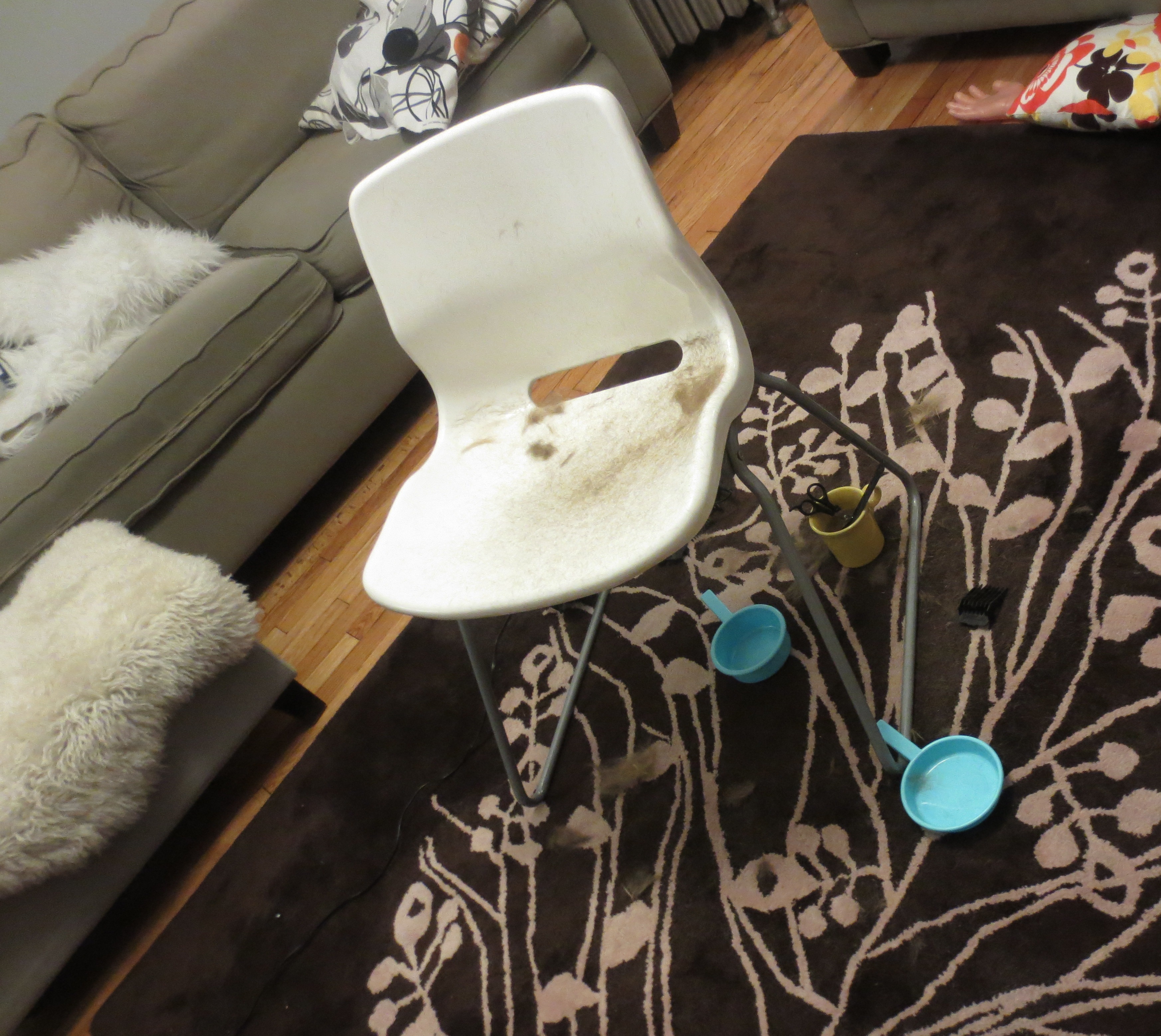
It helps to have a rug that is the same color as the child's hair

It helps to have a rug that is the same color as the child’s hair

Strip the kid naked in the same spot where you cut the hair – don’t let her run off in a cloud of hair clippings and contaminate the rest of the house.  Hand her a cookie and send her straight to the bathtub for a wash down.  Tell your helper to vacuum the hair right away, and offer him a dust mask if he’s allergic to baby hair trimmings.

Spa treatments!

Spa treatments wash away the trauma.

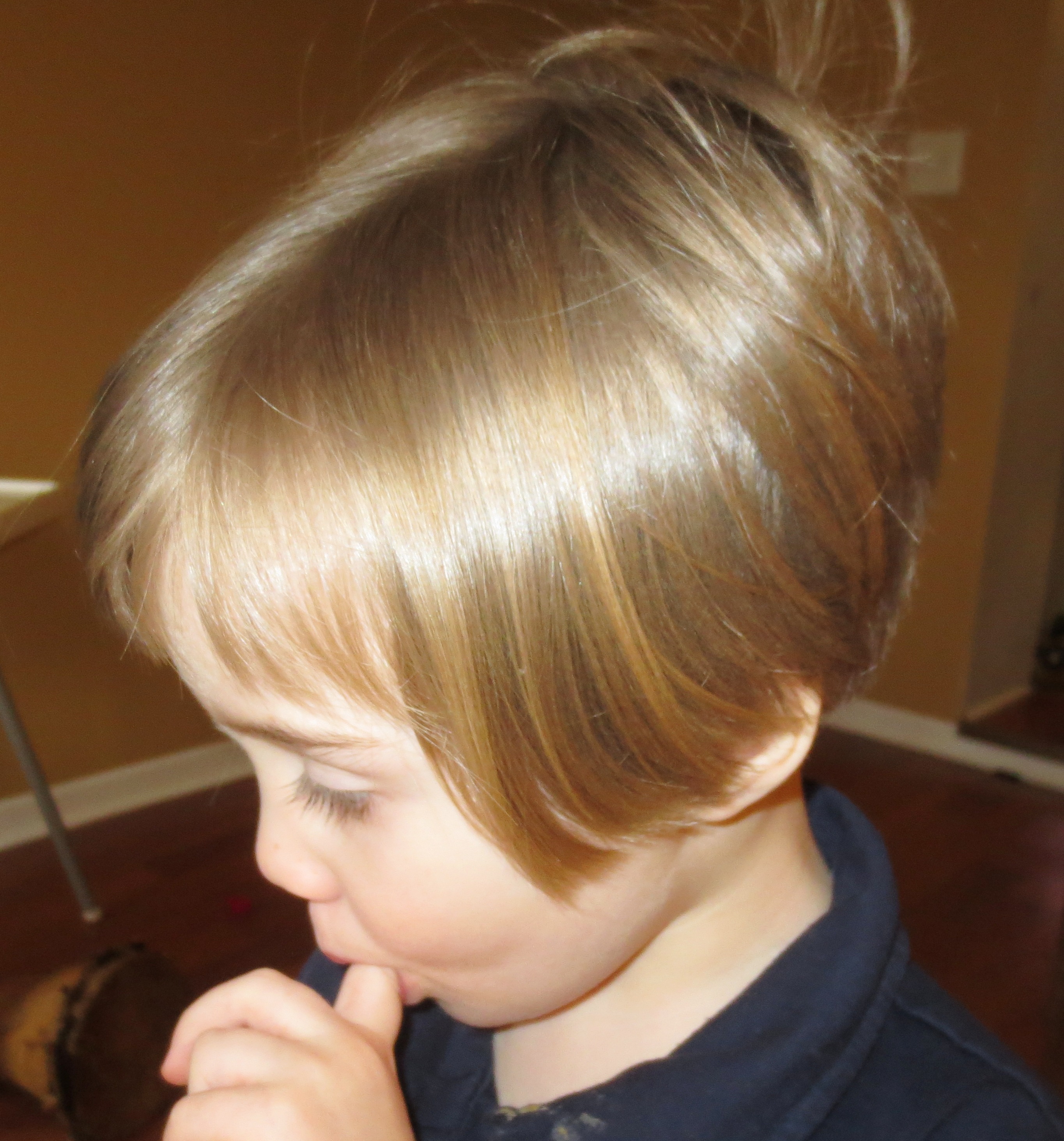
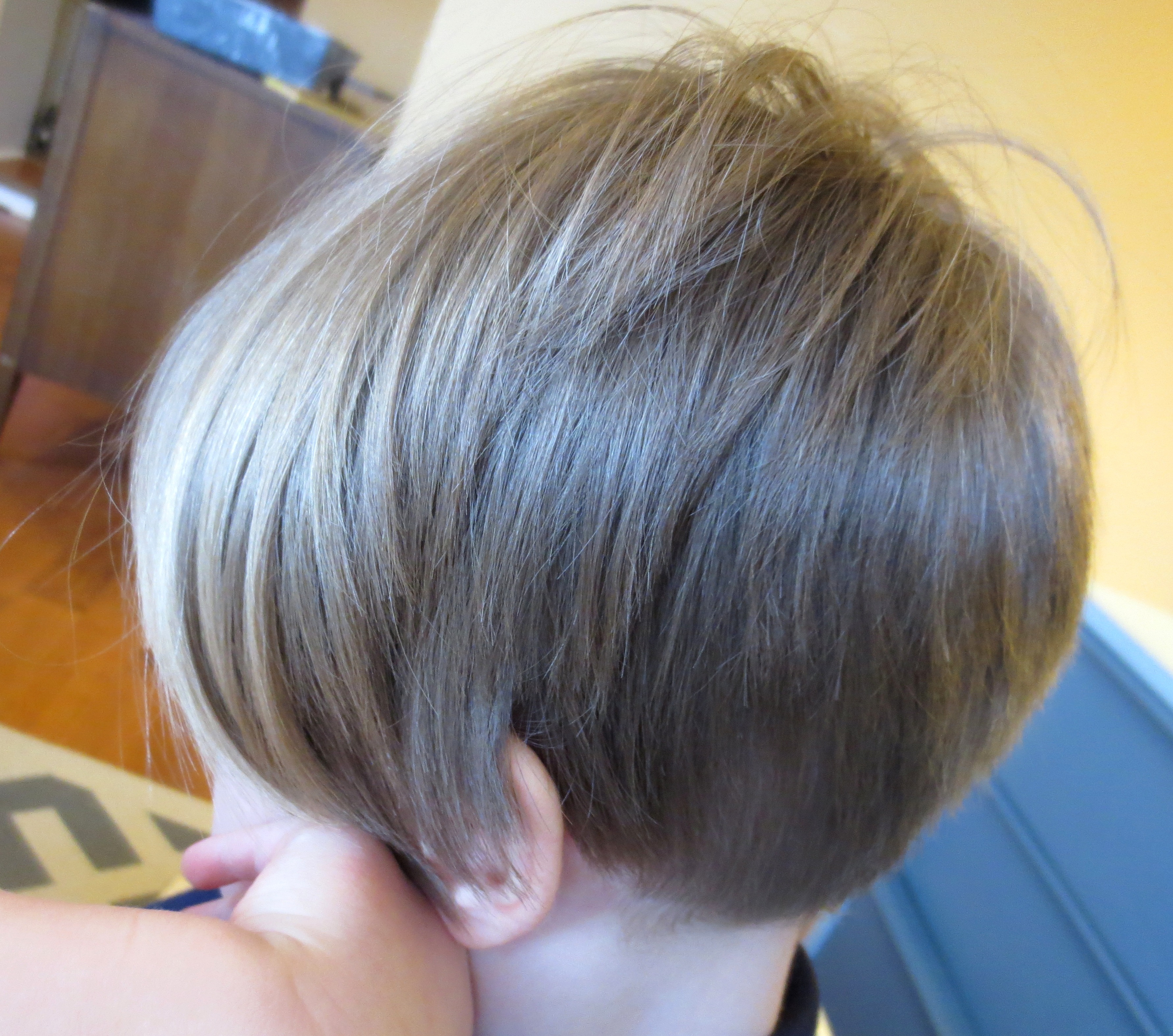
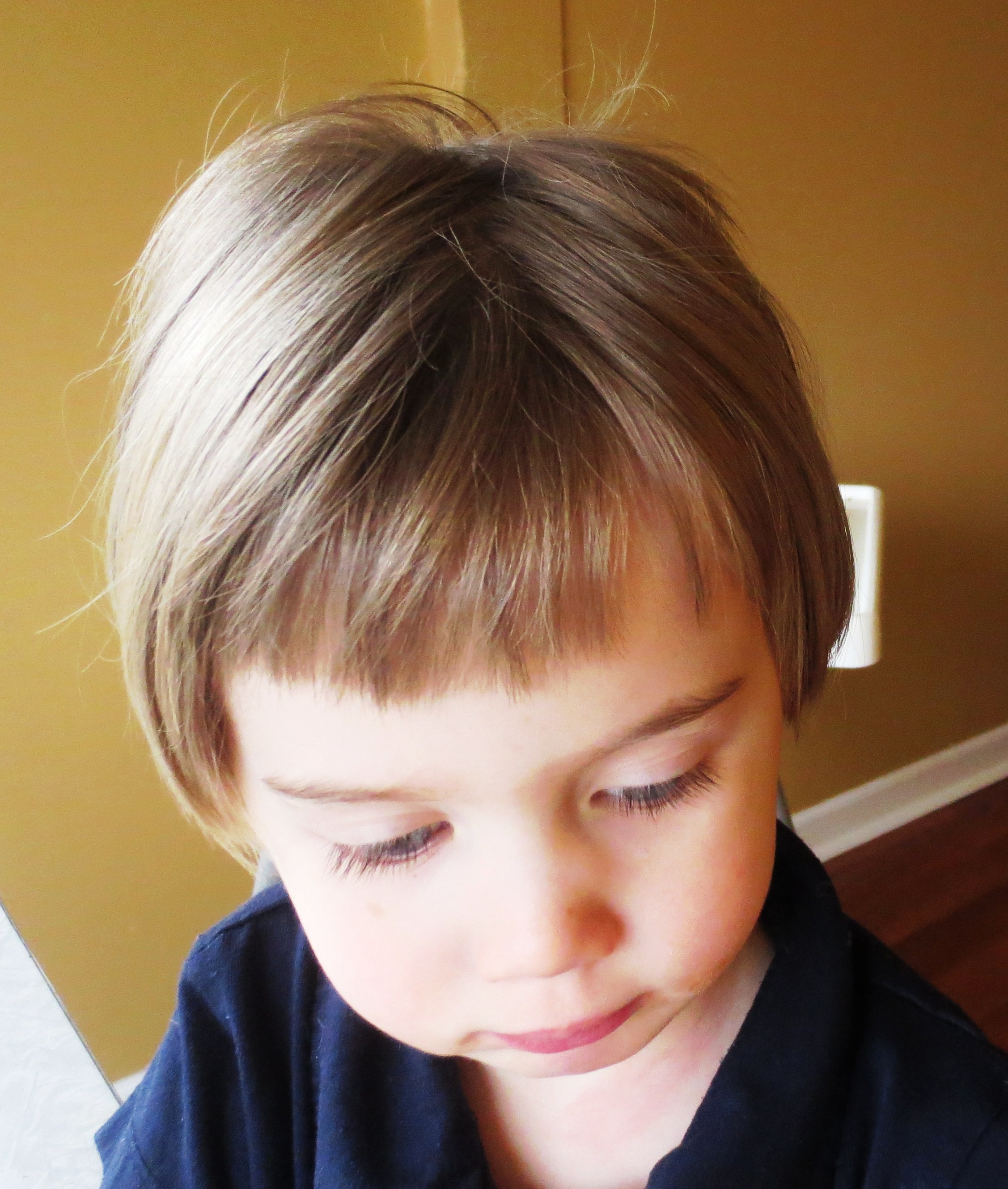
TA-DA!  Here are some obligatory before-and-after shots of my newly-styled babe:

———- BEFORE ————

Technically, this classifies as a mullet

Technically, this qualifies as a mullet, or as we say back home, a “Missouri Compromise”

Kid can't learn math with hair in her eyes

Kid can’t learn math with hair in her eyes

———- AFTER ———-

Picture 912Picture 901Picture 910Picture 907

Finally, Relief for your Art-Infested Refrigerator

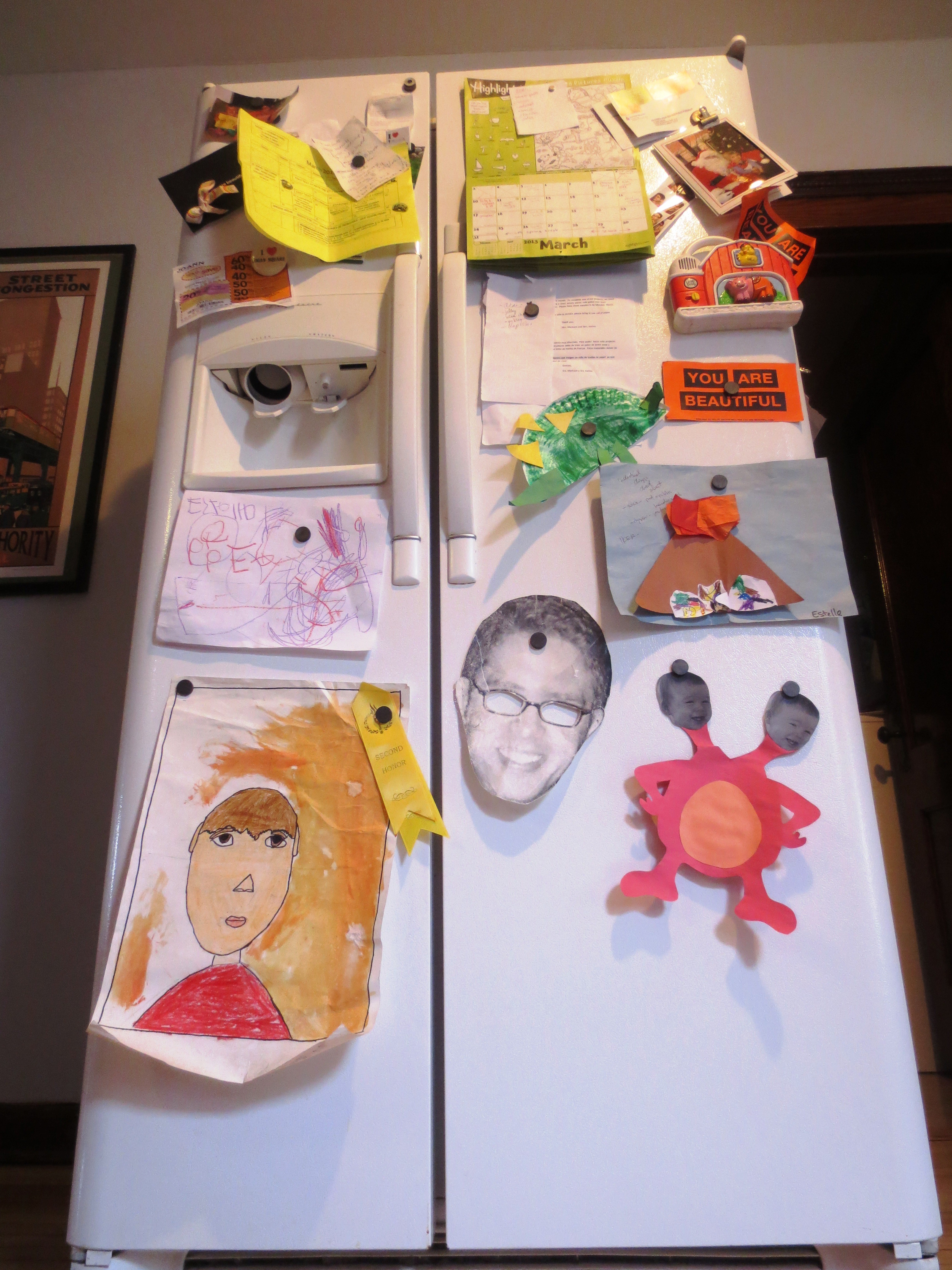
Like most families, our refrigerator is not simply an appliance for storing food or growing bacteria.  It is a bulletin board, list keeper, filing system, and a scrap book.  But most importantly, our refrigerator is an art gallery.

The volume of art that young schoolchildren drag home is simply staggering – some experts* estimate that the average 4-year-old produces the equivalent of her own body weight in illegible art work in a single week.   We are drowning in paper-plate dinosaurs, and now that the baby is big enough to hold a crayon, I knew something had to be done.

This refrigerator is in danger of toppling over with the weight of family artwork.

This refrigerator is in danger of toppling over with the weight of family artwork.

But the real impetus for this project was me stumbling upon a pile of cork panels in the alley behind our apartment last week.  I quickly dragged them home, sensing some sort of future craft value.  To be clear: In Chicago, it is perfectly acceptable to drag home treasures from the alley. Fellow citizens love to tempt me with their provocatively displayed junk, and I often travel down alleys instead of streets for this reason (also, nobody in Chicago believes that the recycling system is real).

The other inspiration for this project was the framed corkboard my husband hung over his desk in our bedroom (I call it “Olde Timey Pintrest”). Every night I lean against our fabulous new headboard and think about how ugly  his cork board is.  There had to be a better (and cheaper) way.

But, once I found my pile of cork, all I needed was a proper frame and a little paint for my dreams to come true. Here’s how it works:

DIY Beautiful Upcycled Family Bulletin Board

INGREDIENTS:Picture 064
-Cork
-Cheap art in a big frame
-Glue
-Paint and Primer (optional)
TOOLS:
-Flat head screwdriver
-Scissors and/or exacto knife
-Sand paper or sanding block
-Heavy objects
-Paint brushes (optional)

STEP ONE:  Go out in the alley behind my building and find a pile of cork scraps. Grab the biggest ones and drag them home. Spray down with vinegar if it smells weird (ours did) and let it dry.

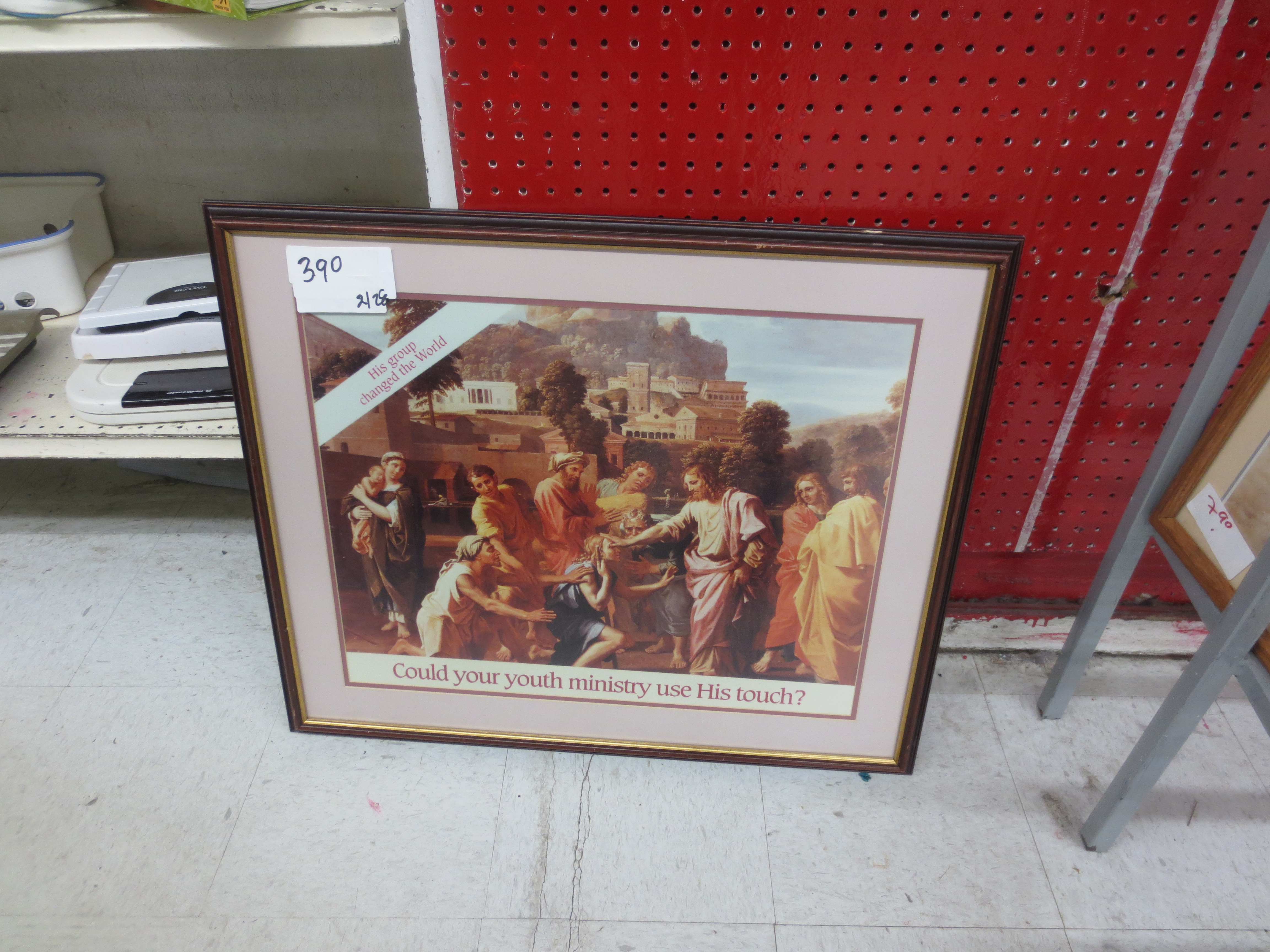
STEP TWO:  Go to the thrift store (or yard sales if in season) and find a large, cheap piece of art in frame that you like.  After visiting three of my local thrift stores, I was surprised and frustrated to find that most of the framed paintings were actually quite expensive—about $20 on average.  I found the glass-covered prints to be much cheaper, and grabbed this one for a little under $2.   If you are lucky enough to find a framed painting, skip to Step Three.

White price tags were half price!

“Could your youth ministry use His touch?”

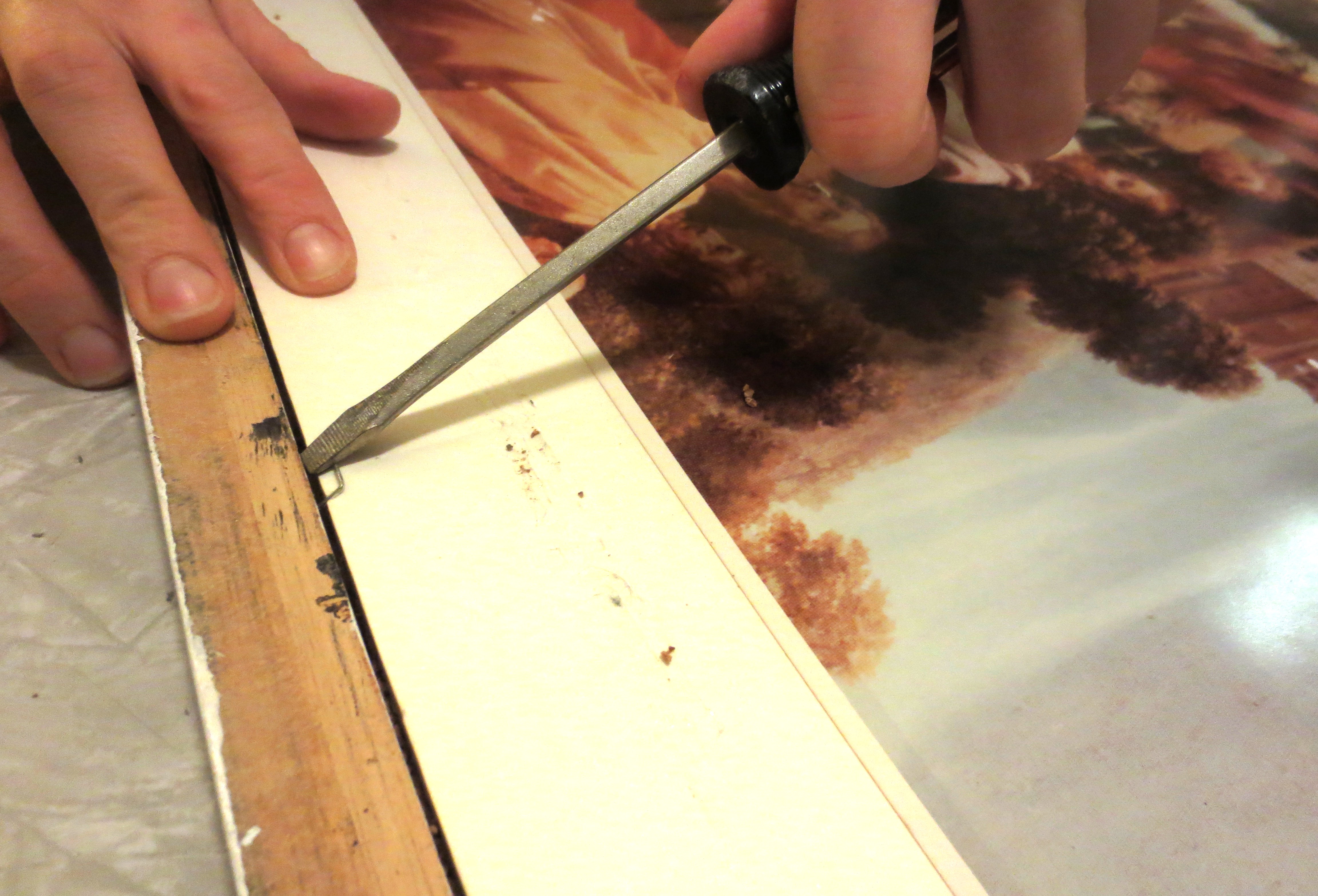
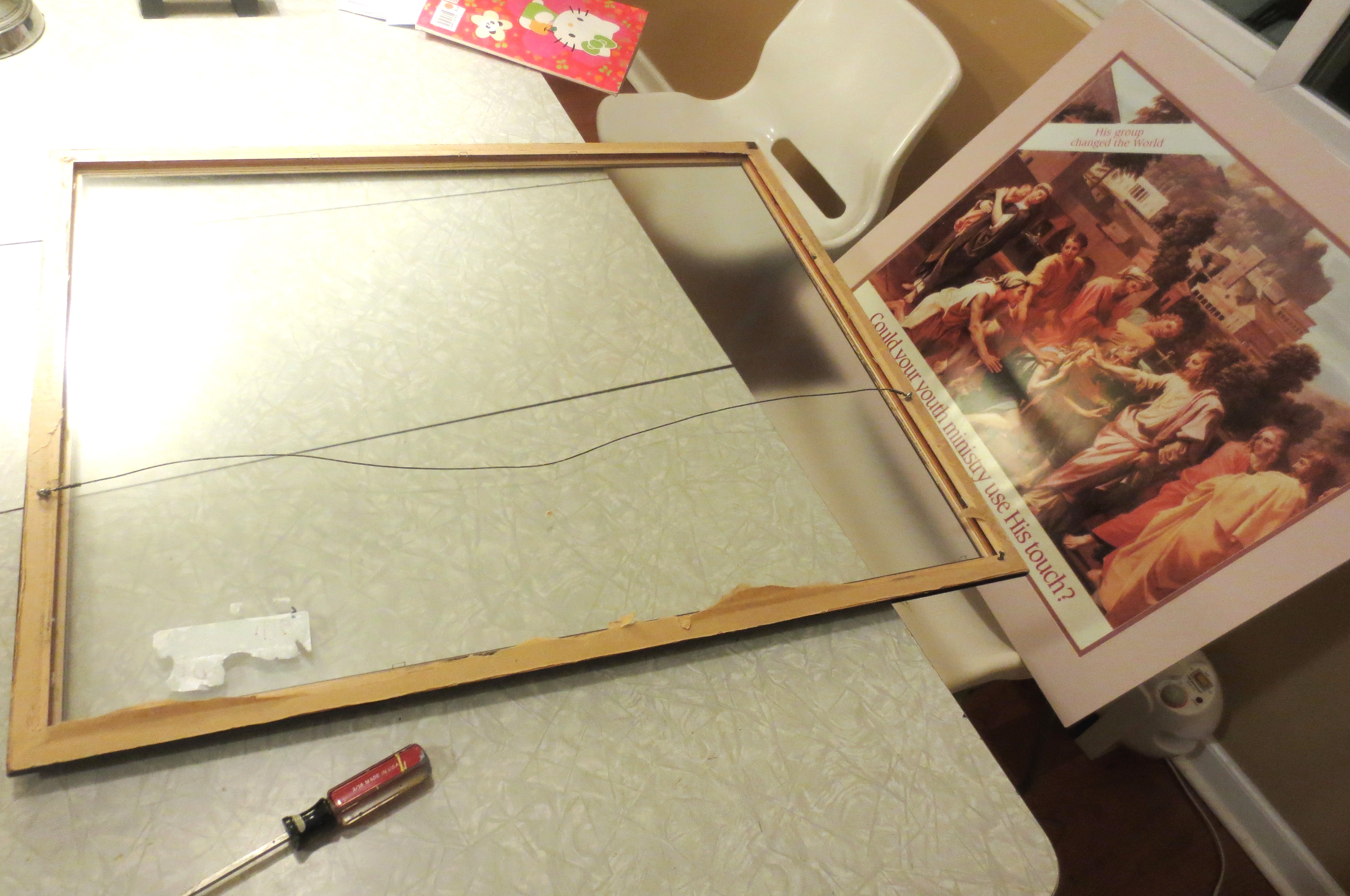
STEP TWO-AND-A-HALF:  If you grabbed the glass-framed print, you’ll need to remove the glass or plastic front, because you don’t want to push pins through that.  Pull off the paper backing if necessary, and then bend back the staples that secure the board to the back of the frame, using a small flat-head screwdriver.Picture 054

Next, pull back the foamboard or cardboard or whatever lies between the frame and the glass. Then very carefully remove the glass and figure out what to do with it because it will be very sharp and awkward to carry. Do this step when there are no small children or drunks about.

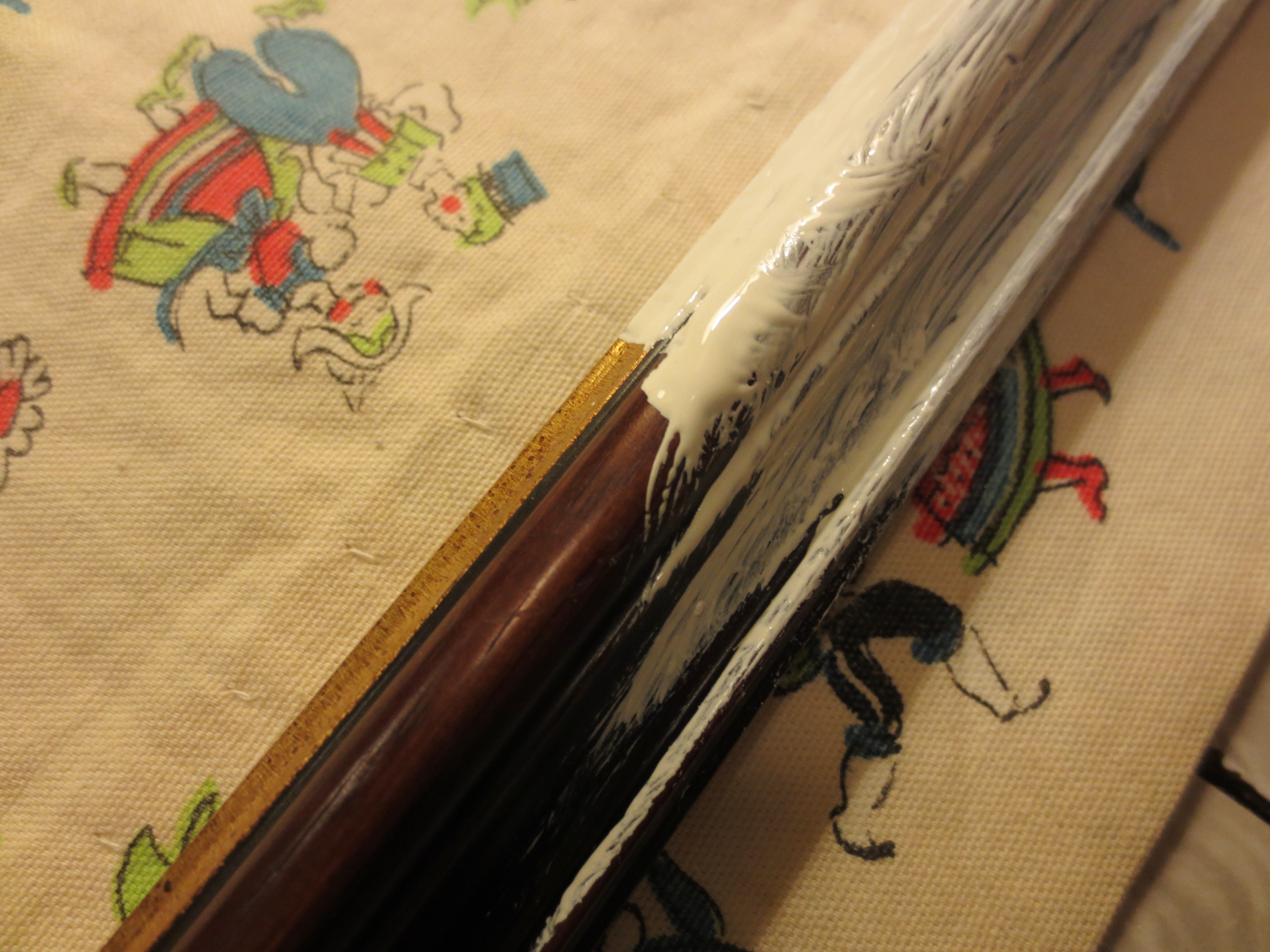
Picture 019STEP THREE:  If you don’t like the color of your frame, now would be a good time to paint it.  Mine was a dark cherry wood with a band of speckled gold on the inner rim. After smoked mirrors and faux oak, dark cherry wood and gold are my two least favorite materials in home décor, so they had to go.Picture 024

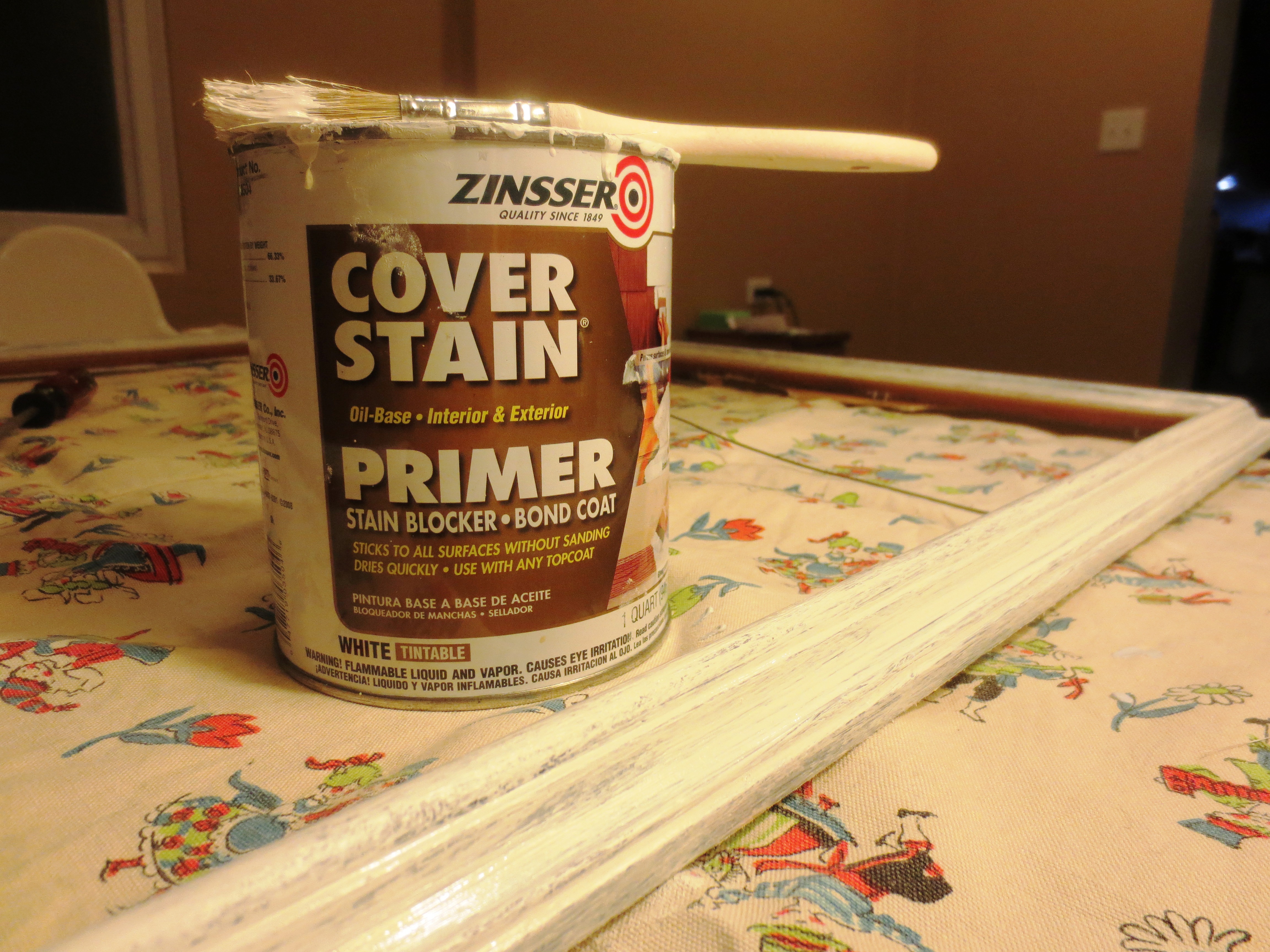
First, add a coat of primer and let it dry. I use Zissner oil-based Cover Stain, because I read on another blog it was good, and it does seem to work.  Since the primer is oil-based, I suggest using a cheap disposable brush and tossing it after you’re done, instead of having to use paint thinner to clean the brush.  I’m not sure which is worse for the environment – the paint thinner or the disposable brush – but remember that you’re basically making this project out of trash, so drop the guilt and give yourself a pat on the back.

From ugly to slightly less-ugly

From ugly to slightly less-ugly

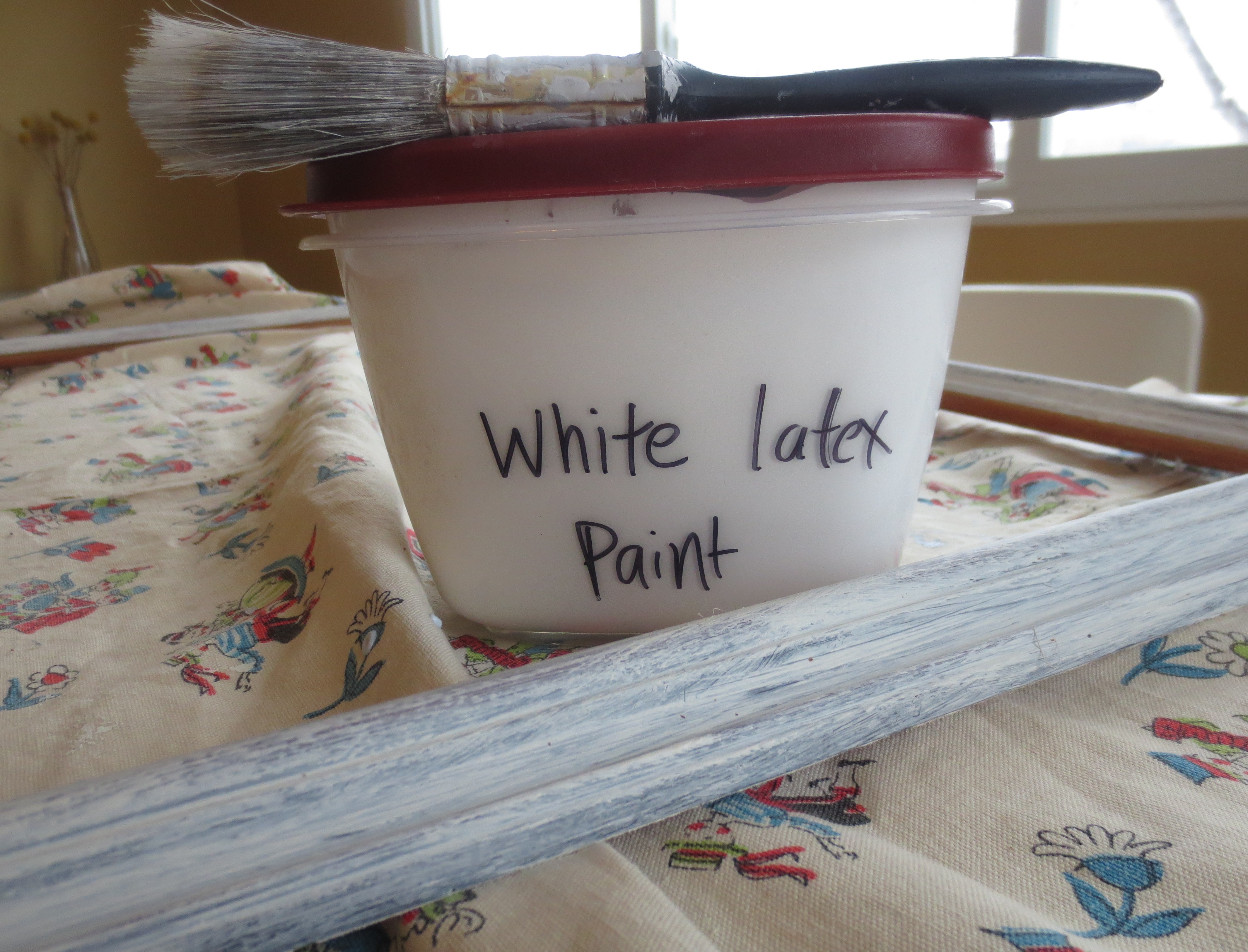
When the primer is dry, go ahead and paint it with regular latex paint. Have fun with the color. My idea of fun is white.

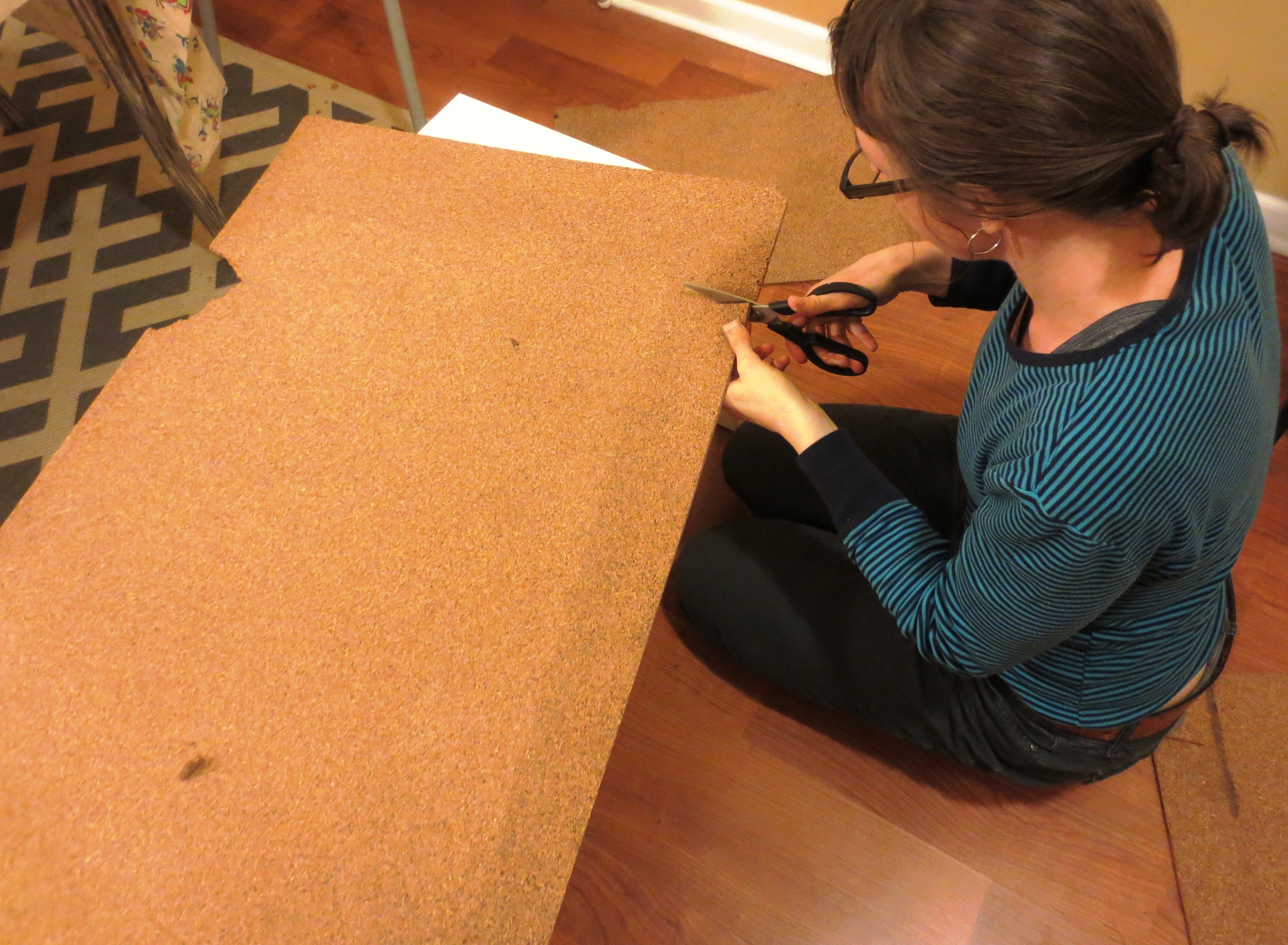
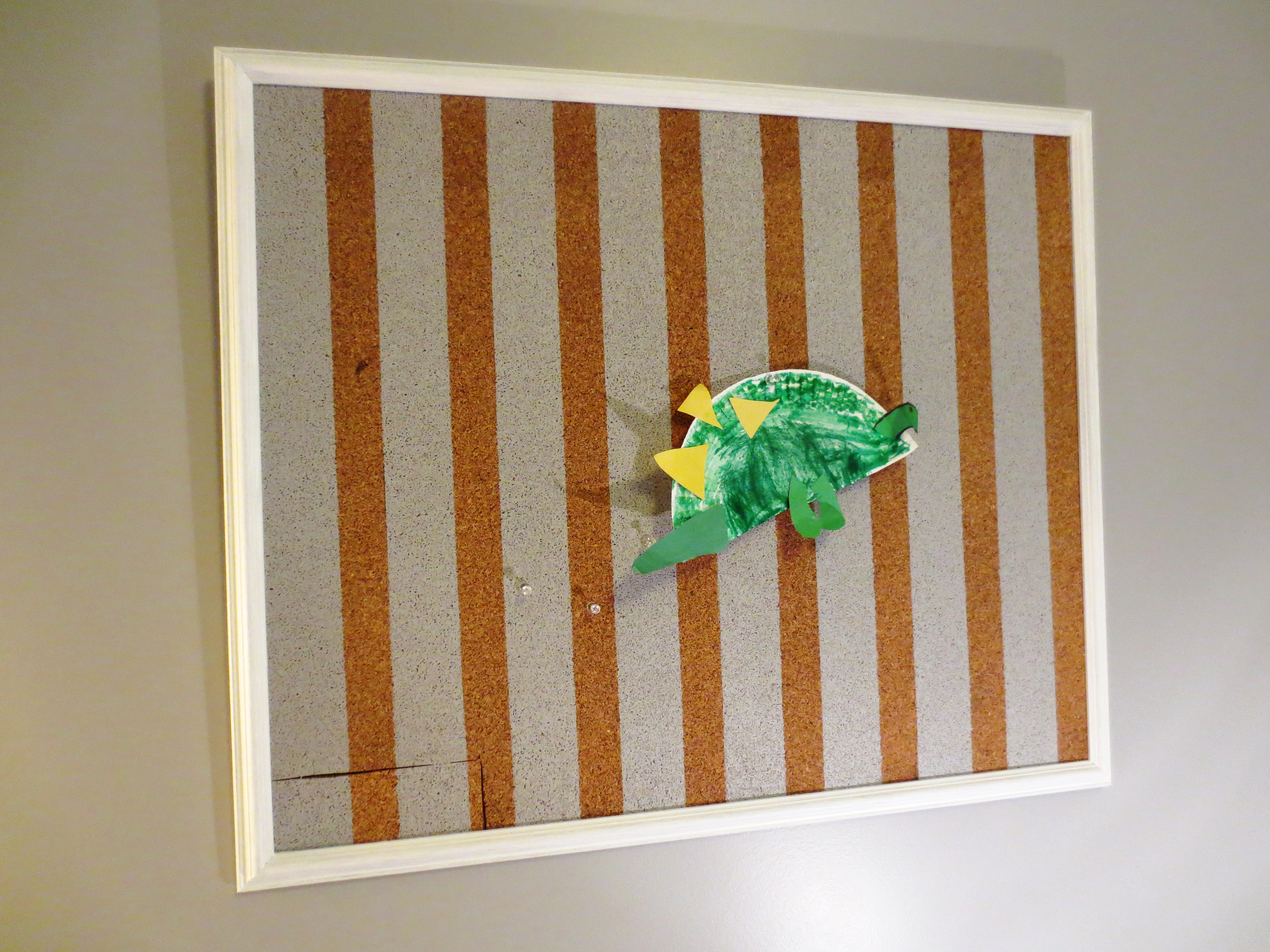
Picture 043STEP FOUR:  Cut the cork to fit the frame.  In my case, I used the foam core board backing inside the frame as my template. If you will be gluing the cork directly over the art, measure the frame on the inner rim and trace the measurements onto your cork.  I used a combination of scissors and an Exacto knife to cut the cork.  The cork was soft and crumbly, so expect a mess.

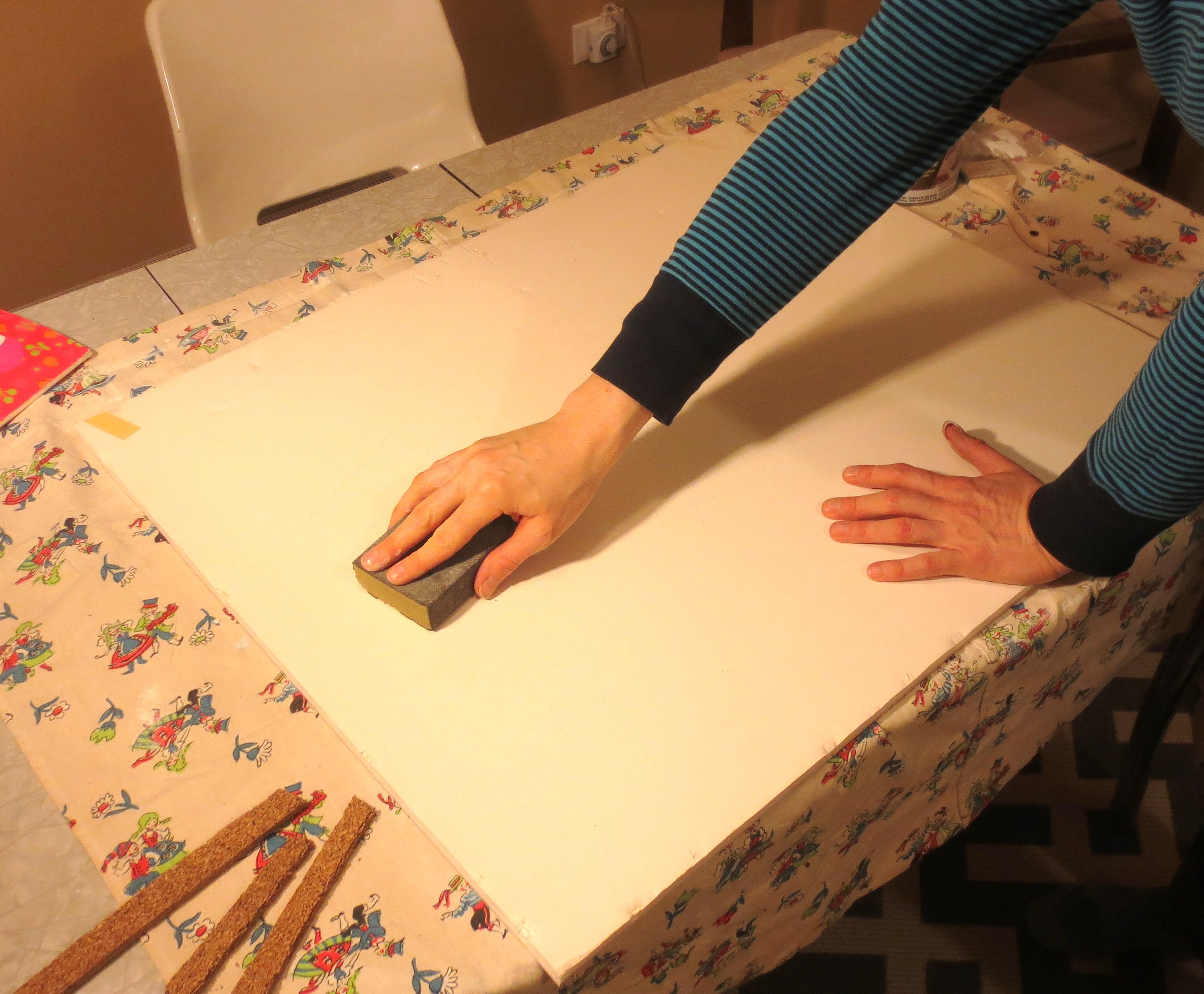
Picture 027STEP FIVE:  Prepare your surface with sand paper – a sanding block is easier to hold.  If you are working with foam core board, you’ll need to rough up the shiny surface to give the glue something to hold on to.  Same goes for your thrift-store art.  Don’t hold back now, really mess it up.

Sanding also helps to release that thrift store smell from the art into your home.

Sanding also helps to release that thrift store smell from the art into your home.

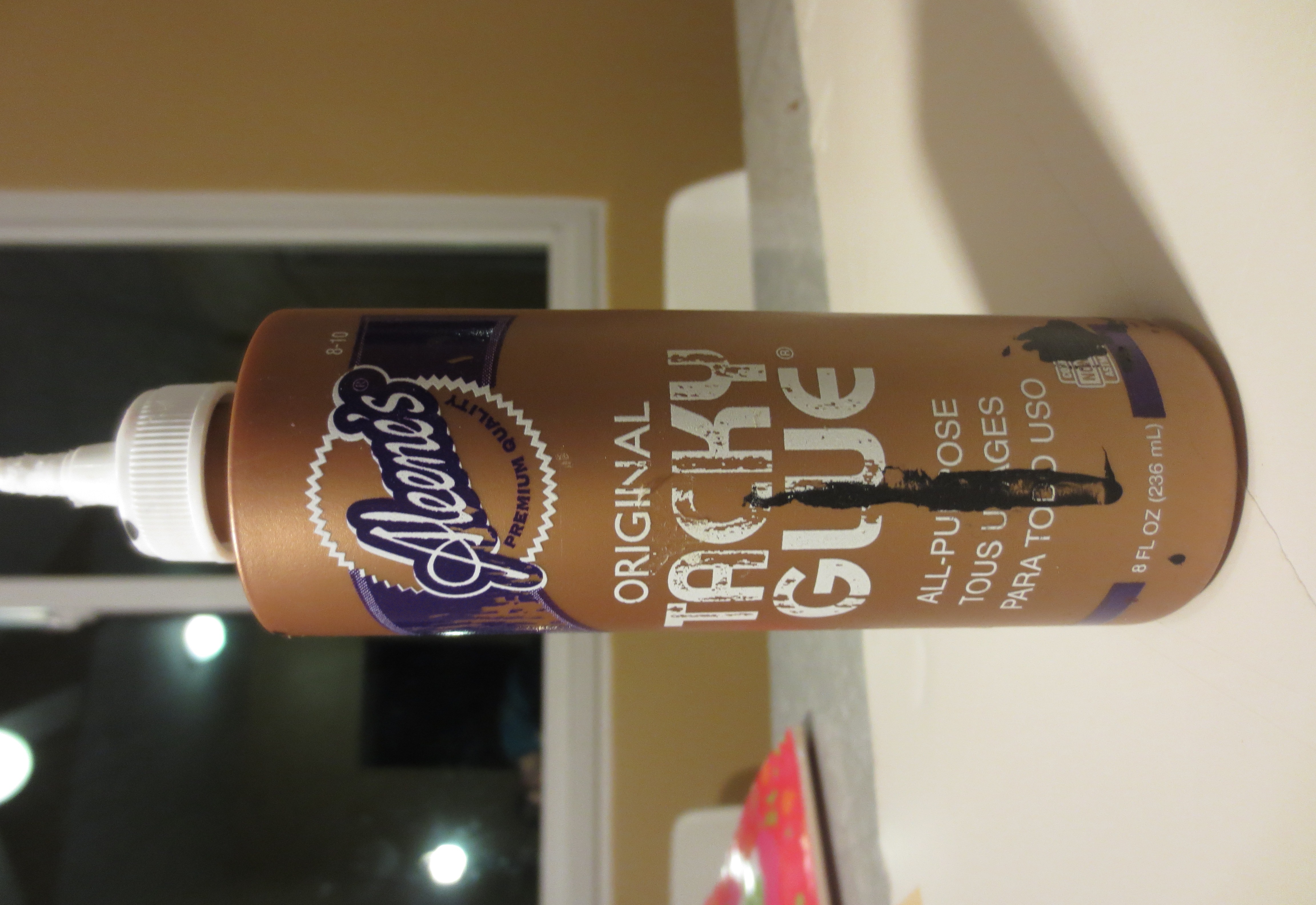
STEP SIX:  Glue the cork to the frame (if you don’t know how to use glue, then you’re probably not old enough to be oPicture 034n the internet unsupervised). I used Aleene’s Tacky glue, because we had some sitting around. But the cork is so light, any glue should work.  Press really hard, smooth it all out, then find a bunch of heavy things to place on top of it all.  Now go to bed and finish this project tomorrow.

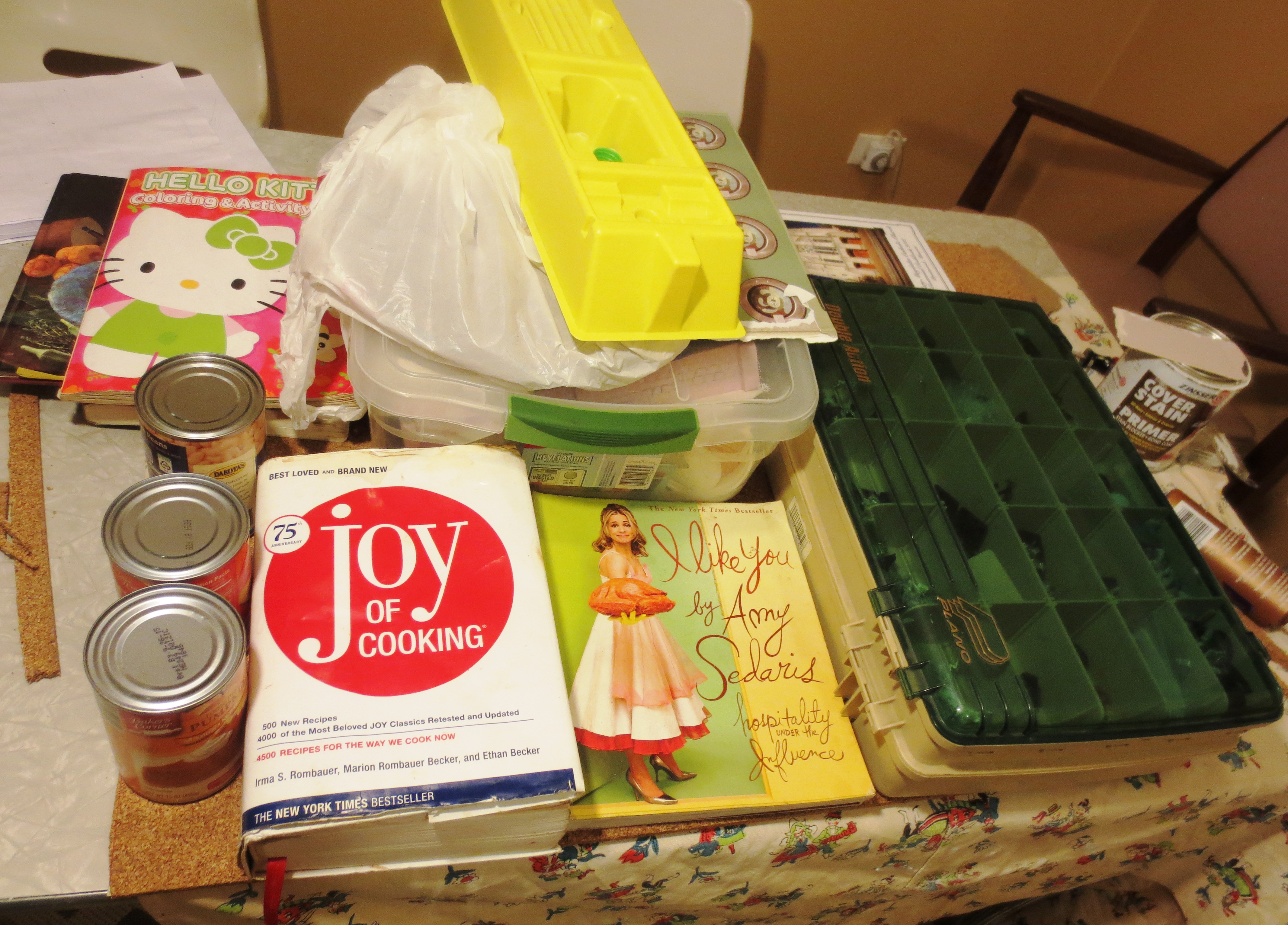
A bunch of heavy things

A bunch of heavy things.  Note that we are not hoarders.

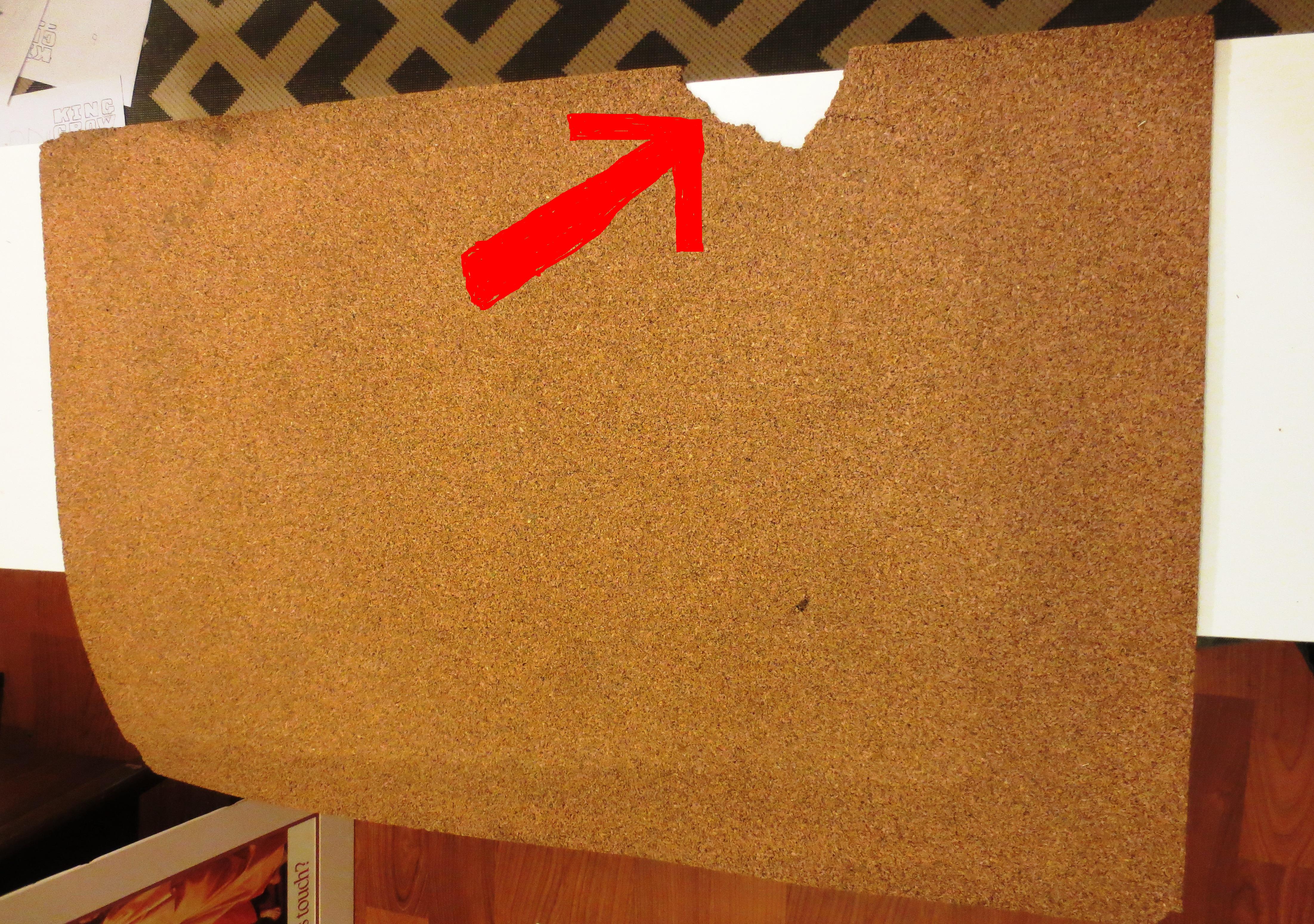
STEP SIX-AND-A-QUARTER:  Hopefully this step won’t apply to you, but here goes. My biggest and most intact piece of Alley Cork had a big bite taken out of it.  So like a good dentist or battlefield surgeon, I cleaned out the wound and cut it into a square shape. Then I cut a same-sized piece from another piece of cork, and glued it into place.

Arrows indicate the precise site of bite mark

Arrow indicates the precise site of bite mark

You can still see the little patch in the finished project, but eventually this will all be covered in art work and detention notices.

STEP SEVEN:  Paint the cork. This step is also optional, but it adds such pizazz to the project, I don’t think you should skip it.  Also, the paint will help to mask that musty alley smell.  Also, I think the color of natural cork is kind of ugly.

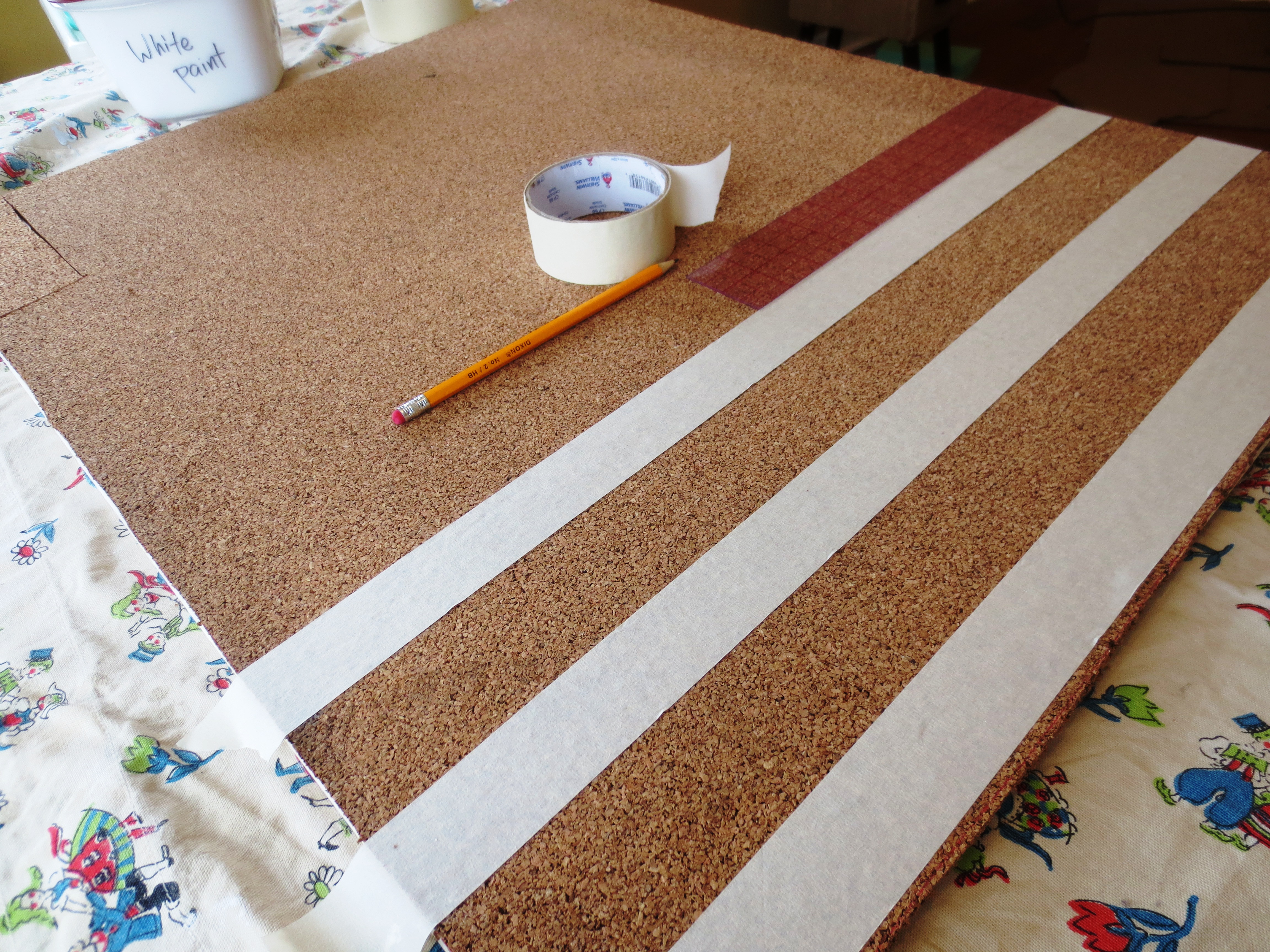
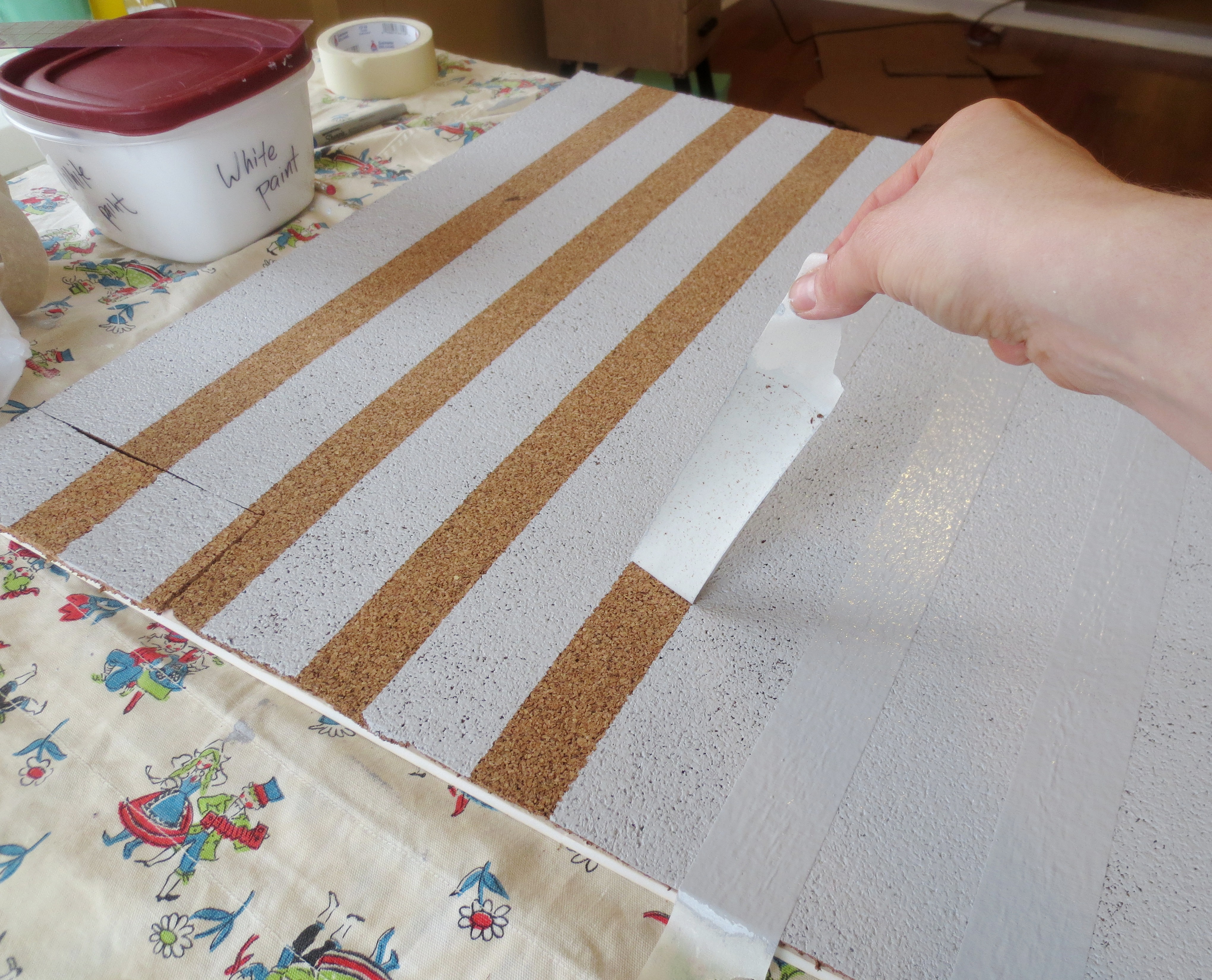
Originally, I planned to paint to cork in alternating grey and white stripes.  I used masking tape to make the stripes, and a ruler to measure the distance between them.

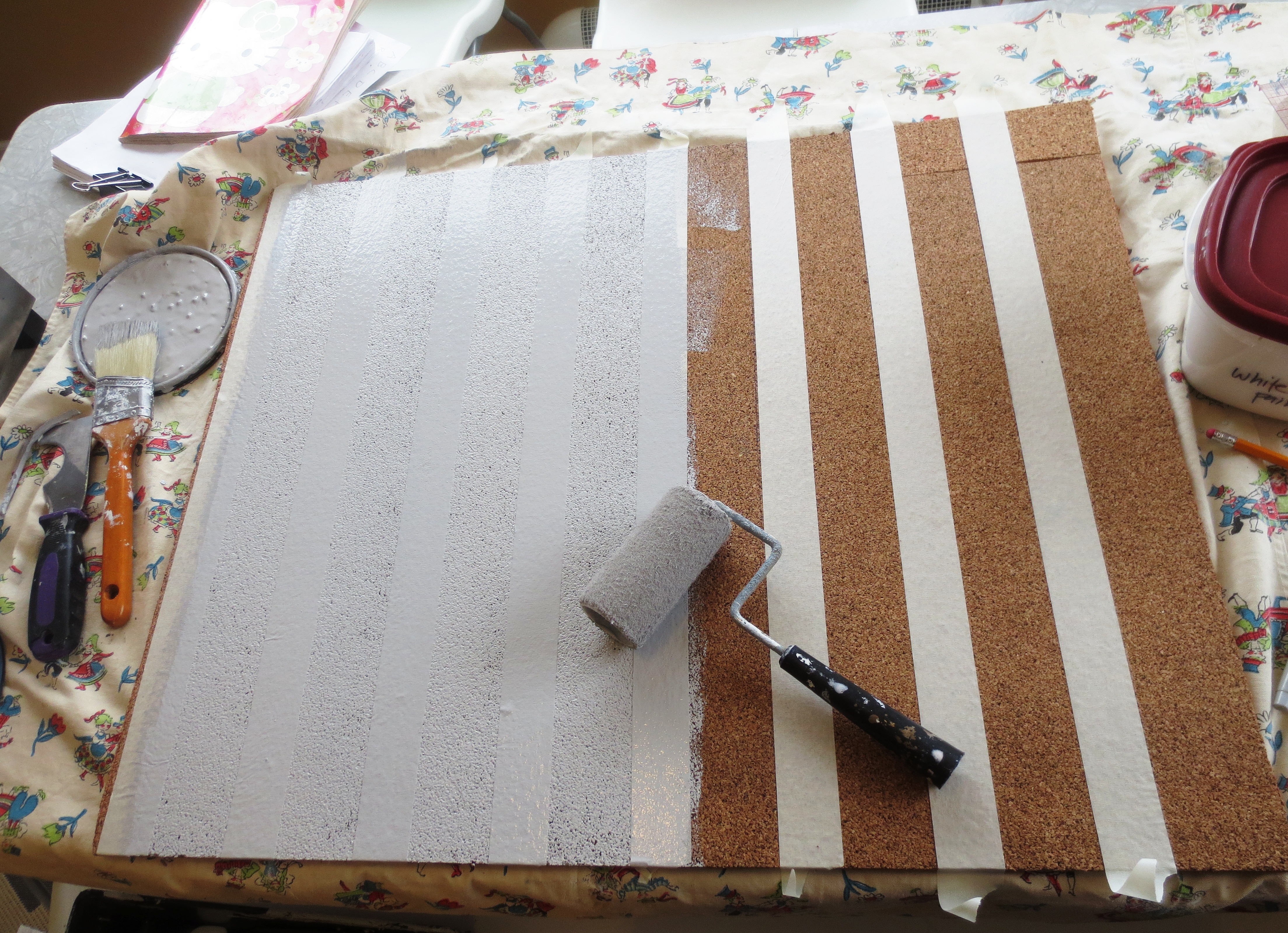
Picture 044Then I painted over the tape, using leftover grey paint from our bedroom.  You can use a brush, but a roller is much faster.

Picture 047

When painting, I use the curtains from my childhood bedroom as a dropcloth. It’s cheaper than therapy.

Be sure to pull the tape up right away so it doesn’t stick to the soft, crumbly cork.  After this step, I was so happy with the results, I just stopped there and skipped the white paint.  Also I was tired and wanted to eat lunch.

Good enough!

Good enough!

STEP EIGHT:  If you used a frame like mine, you’ll need to insert the cork and board back into the frame.  I had to trim a bit of stray cork from the edges with an exacto knife to make it fit.  Use the flat-head screwdriver to push the staples back into place, securing the board into the frame.

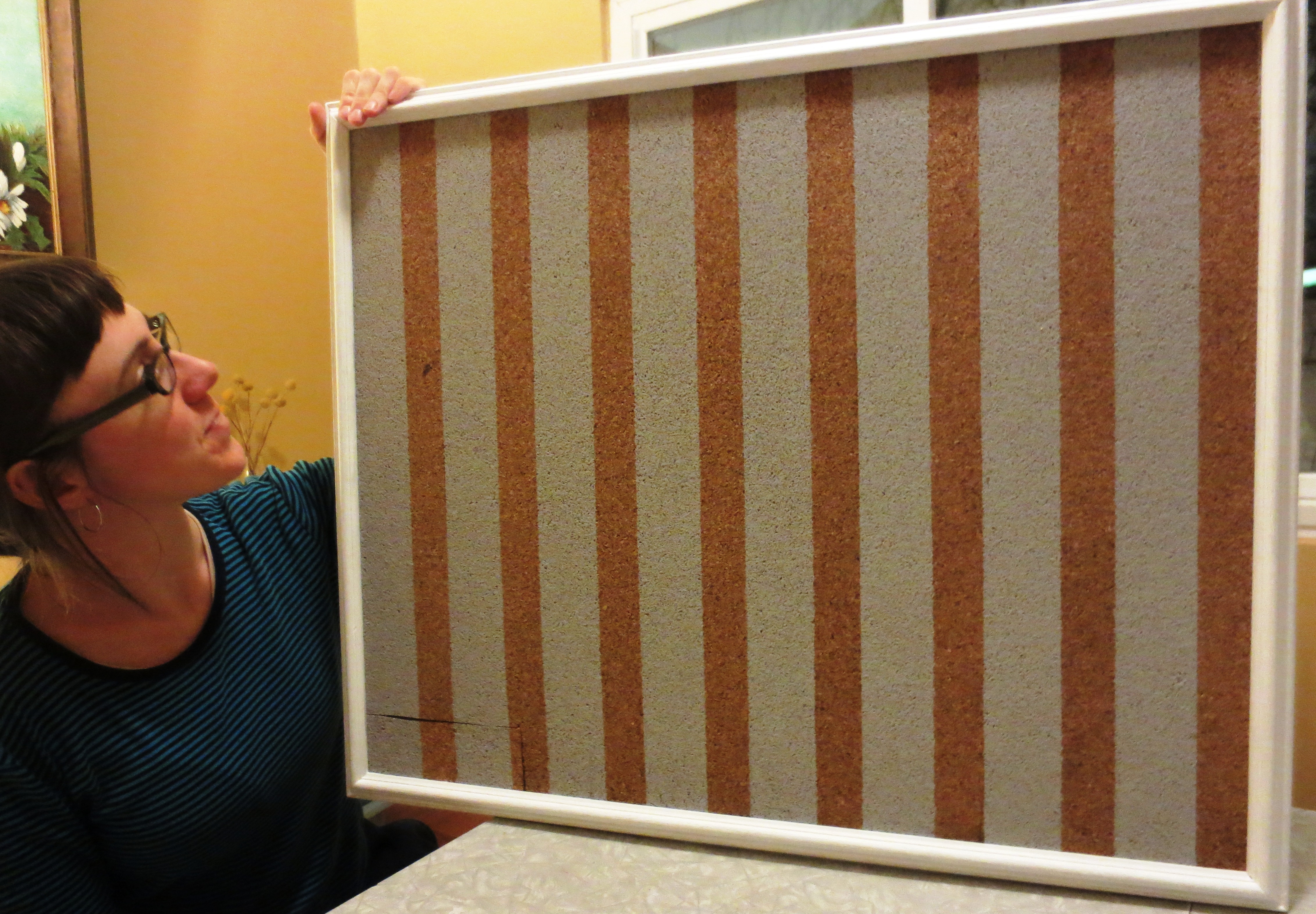
Picture 054STEP NINE: Make your husband take a picture of you with your amazing new trash-based bulletin board. Then hang it on the wall and fill it with your crappy kids’ art!

The fact that I'm wearing the same shirt in all these pictures could indicate that this is a one-day project.

The fact that I’m wearing the same shirt in all these pictures could indicate that this is a one-day project.

Look! it works.

Look! it works.

*Expert = me.

15 Mid-Century Modern Dream Homes that will Kill Your Children

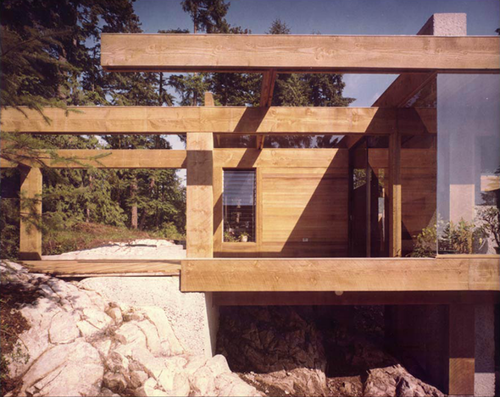
The clean lines, the geometric decorative elements, the seamless blending of indoor and outdoor space… I sure do love mid-century modern architecture.

Do you know what I love more? My children. And that is why I will never live in my MCM dream home. Because mid-century modern architecture is designed to KILL YOUR CHILDREN. (Also, moderately clumsy or drunk adults).

im_certain_none_of_these_children_reached_adulthood

We can be reasonably certain that none of these children reached adulthood.

As a public service, Projectophile is alerting its readers to the dangers posed by key elements of mid-century modern residential design.

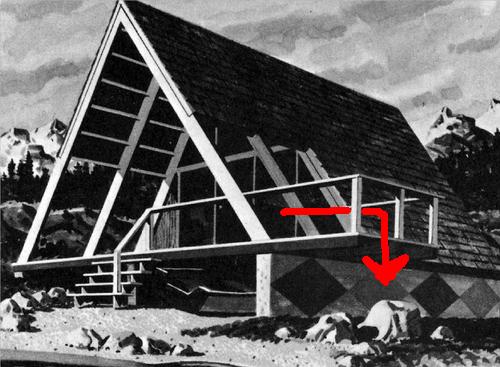
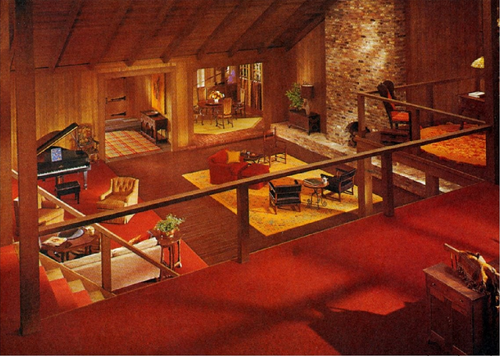
1.  OPEN LEDGES:

I love open, flowing space as much as the next modern girl. But I know it would only be a matter of minutes before my kid flings himself off one of these deadly ledges…

ledge5redarrow

Red arrows show the direction of travel of children’s bodies

ledge2

What four-year-old can resist that hidden nook?

ledge4-read arrow

That’s going to require at least ten stitches.

ledge3

Where are all the children? Probably under that ledge, unconscious.

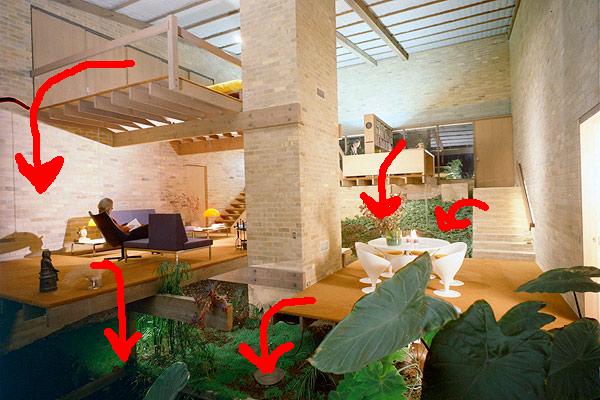
Someone needs to call protective services on this place, because this stylish modern mother is too absorbed in her reading to notice that all her children have fallen into the living room garden:

ledgeredarrow

2. FIRE, WATER, AND OTHER DEATH TRAPS INSPIRED BY NATURE:

First of all, make sure your kid wears her helmet when she inevitably climbs up, and then falls of of, this rock formation in your dream living room.

rocks1

Be sure to check those crevices for rabid bats.

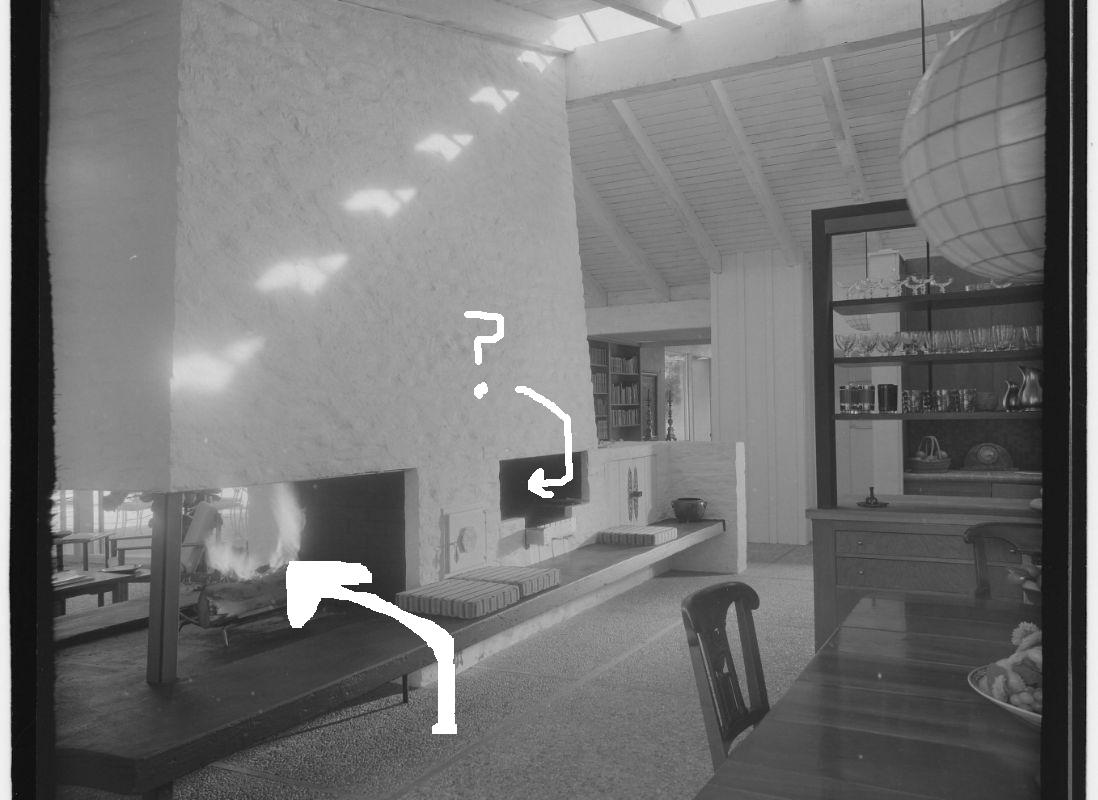
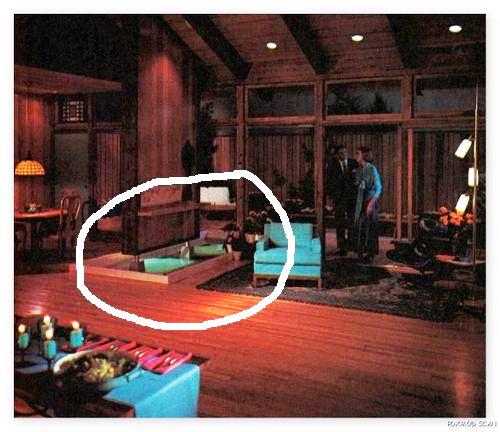
 As soon as you turn around to fetch the marshmallows, Junior is going to stumble right into that open fireplace (and stumble out with some third-degree burns).  And watch out for that mysterious little nook on the right!

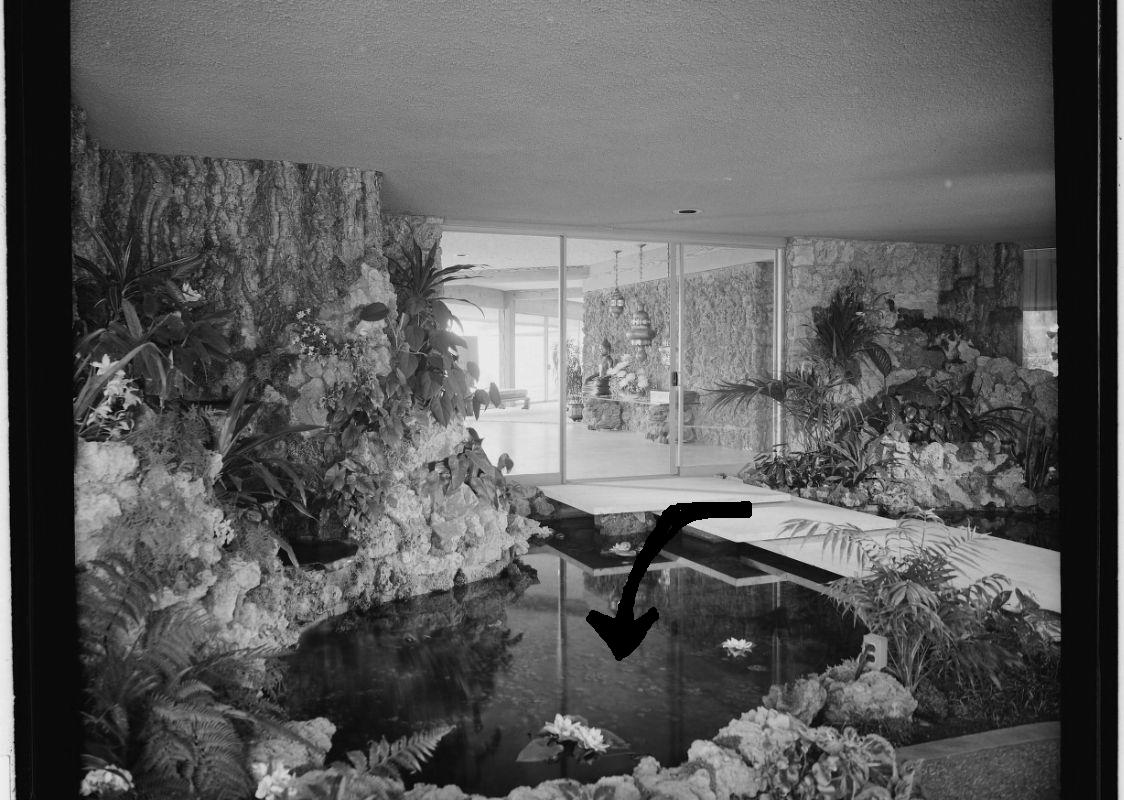
fireplacew-arrow2The use of indoor reflecting pools creates a calm and deadly space in your modern dream home:

blackandwhitepoolofdeathChildren in mid-century modern homes are advised to wear flotation devices at all times. This glamorous couple has no idea what danger lurks in that strangely-placed reflective pool.

indoor reflecting pool white circle1

“Darling, why is it suddenly so quiet in there?”

And for goodness sake, don’t send your kids trick-or-treating near this Mid-Century Modern fortress:

drowningpool2

3. FLOATING STAIRS:

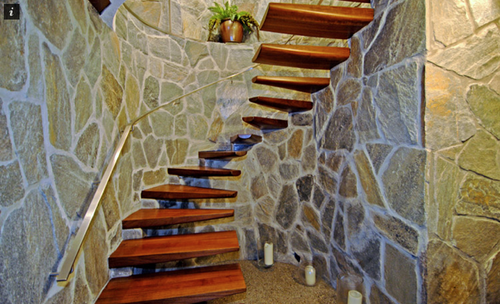
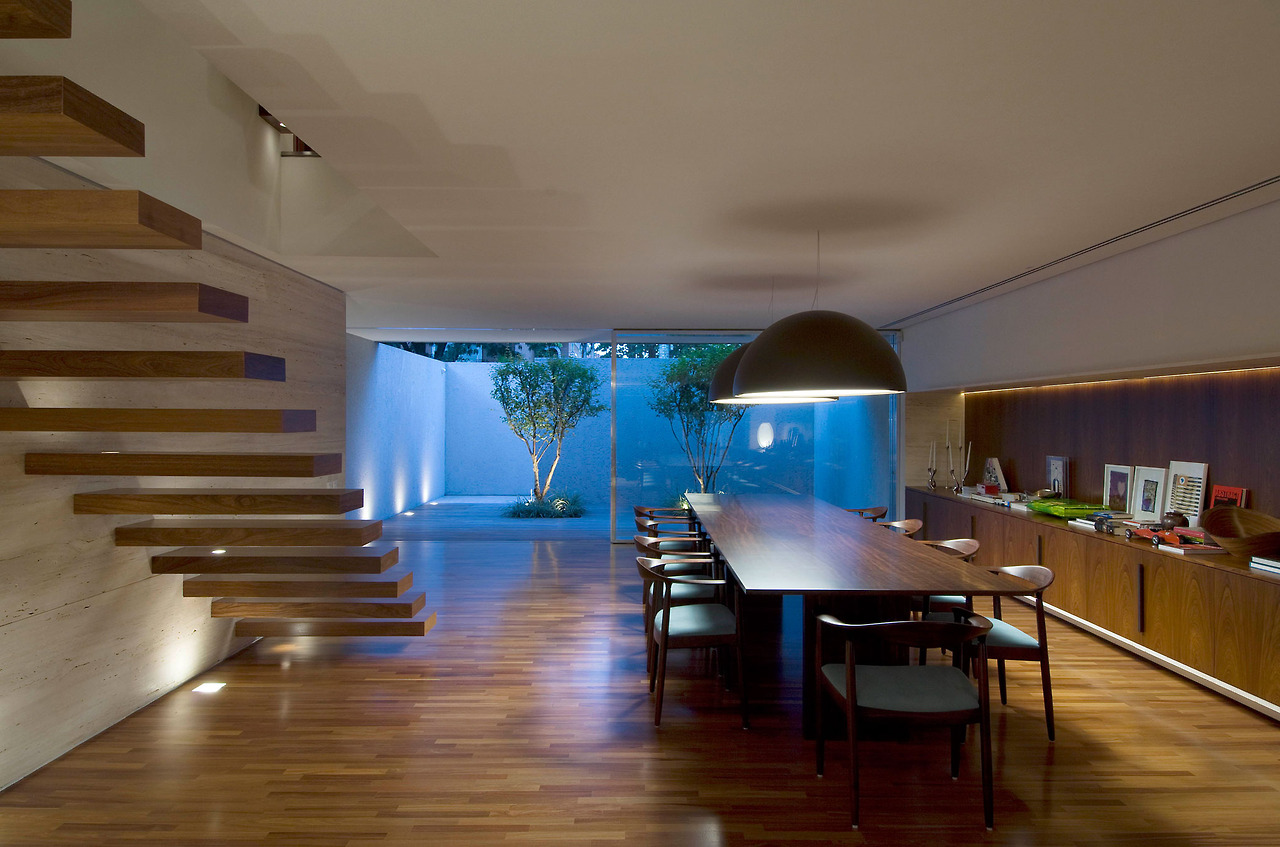
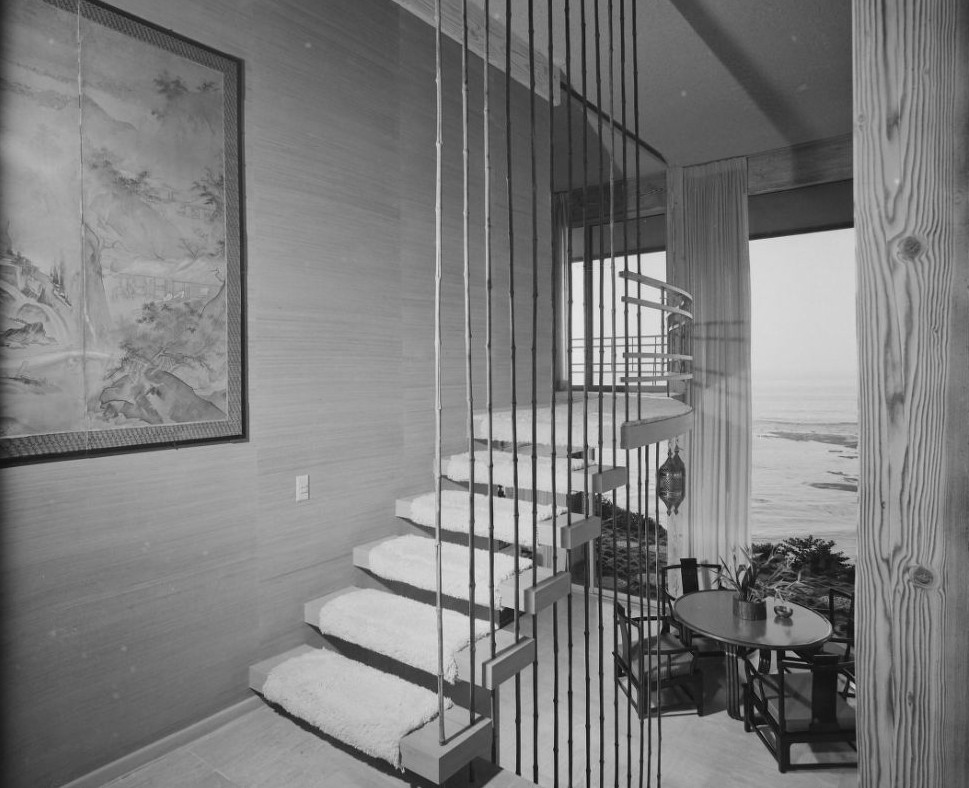
Nothing is more un-modern than an unsightly railing on your stairs. To add extra danger to your mid-century staircase, twist the stairs into a dramatic 180-degree turn, or simply make the angle of the stairs extra steep.

ultimatedeathstairs

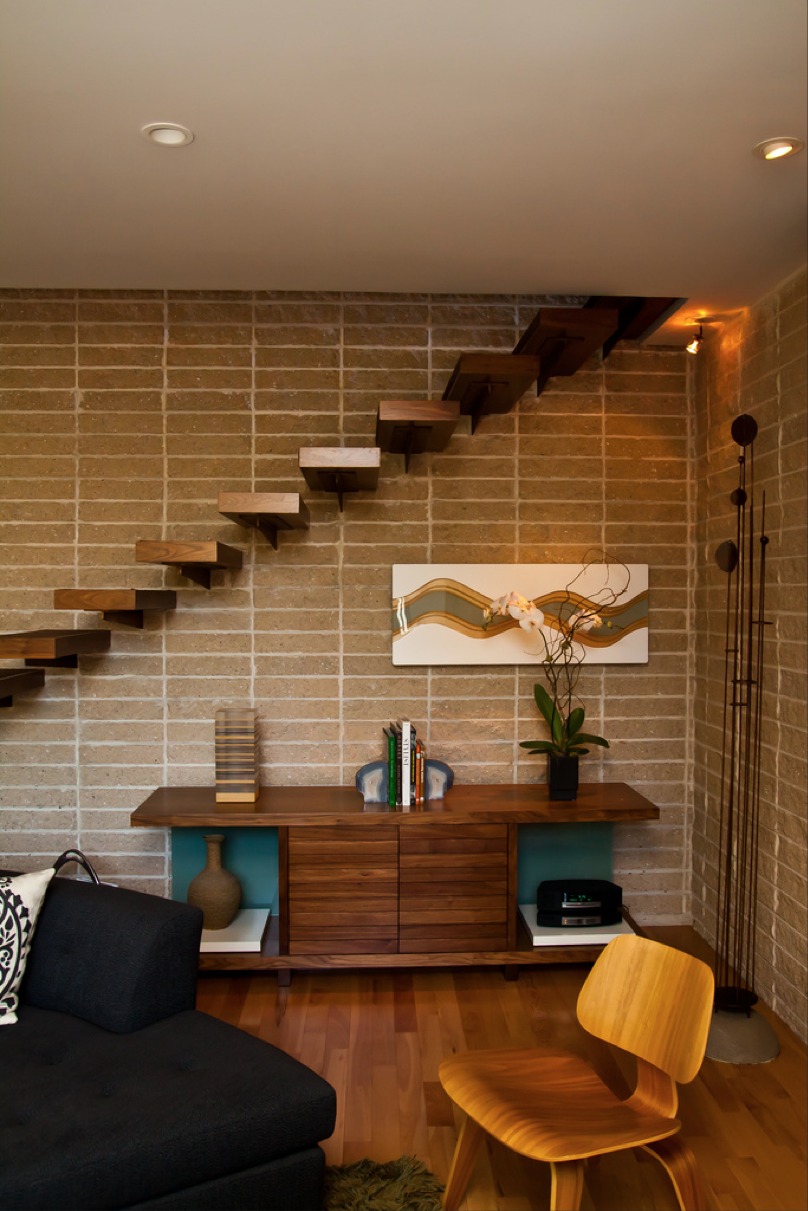
deathstairs3(Hey, aren’t these just a bunch of IKEA Lack shelves nailed to a wall?)

deathstairs5

These extra-dangerous stairs lead right to the ceiling, guaranteeing a concussion for your curious child.

These soaring, multi-story bannisters add a touch of safety, but you know my kid would totally get her head stuck in between them. Keep a crowbar handy to pry her free…

deathstairs6The mid-century dream house below comes with its own on-site medical team, in the very likely event that your children will either drown, fall, slip on those mossy stairs, or impale themselves on a rock.

deathhouse

Or maybe that’s dried blood I see on those stairs?

If you care about your children’s safety, perhaps you’ll want to settle down in a late Georgian colonial revival.

DIY Tufted Floating Headboard

I wanted to build a padded headboard for a couple of reasons – both Picture 064practical and aesthetic: 1) We like to sit in bed and read at night, and 2) I want my bedroom to look more like a fancy hotel and less like a crappy rental.

Last month, we renewed our lease for another year and four months (yes, our landlord is clearly up to something).  To celebrate, I painted the mustard-yellow bedroom a soothing shade of gray.  The cool charcoal walls seemed like a great backdrop for a pop of yellow and white geometry. We already owned a yellow-and-white dresser/nightstand set that we picked up from a yard sale about four years back, and I wanted to continue that color scheme.

Tufting adds sophistication to your cheap IKEA bed

Tufting adds sophistication to your cheap IKEA bed

INGREDIENTS:
— Big slab of plywood or MDF board (medium density fiberboard)
— 2 inch foam, same height and length of the board
— Fabric, cut to the size of the board, plus a minimum of six extra inches on all sides
— Batting, same size as fabric
— Thick thread or twine
— Button kit
— D-ring hangers

TOOLS:
— Staple gun (and hammer if your staple gun is as weak as mine)
— Drill
— Scissors
— Serrated kitchen knife (the scarier the better)
— Long (3″+) decorator’s/upholstery needles or doll needles
— Duct tape (maybe)
— Shot of whiskey

These are some of the scary tools you get to use for this project

These are some of the scary tools you get to use for this project

PART ONE:  BASIC PADDED HEADBOARD

1)  Have the hardware store cut your plywood so that it is the width of your bed and your desired height.  Our double bed is 54” wide, and I made my headboard 30″ high.

But let me pause here to explain my first mistake, which I’ve been trying to blame on my husband, even though it’s my fault.  I had seen similar projects that used plywood, and thought, “since we’re hanging this on the wall, we need something lighter.” So I sent hubby to our local big box for something lighter, and he returned triumphantly with MDF board.  However, I realized later that MDF board was the wrong choice because:
–    It isn’t really much lighter, since MDF is significantly denser than plywood
–    It’s too thin to fully absorb your staples (ouch), and
–    It’s awfully flimsy – a stiffer board would have made stapling easier.

But, I’m stubborn and cheap, so I stuck it out with the MDF.Picture 004

2)  If you’re tufting, decide on how many buttons and how far apart you’d like them to be.  I chose eight buttons in two rows of four, spaced about ten inches apart.  Measure and mark the button holes on your board, and drill through them with a 7/32 drill bit.Picture 007

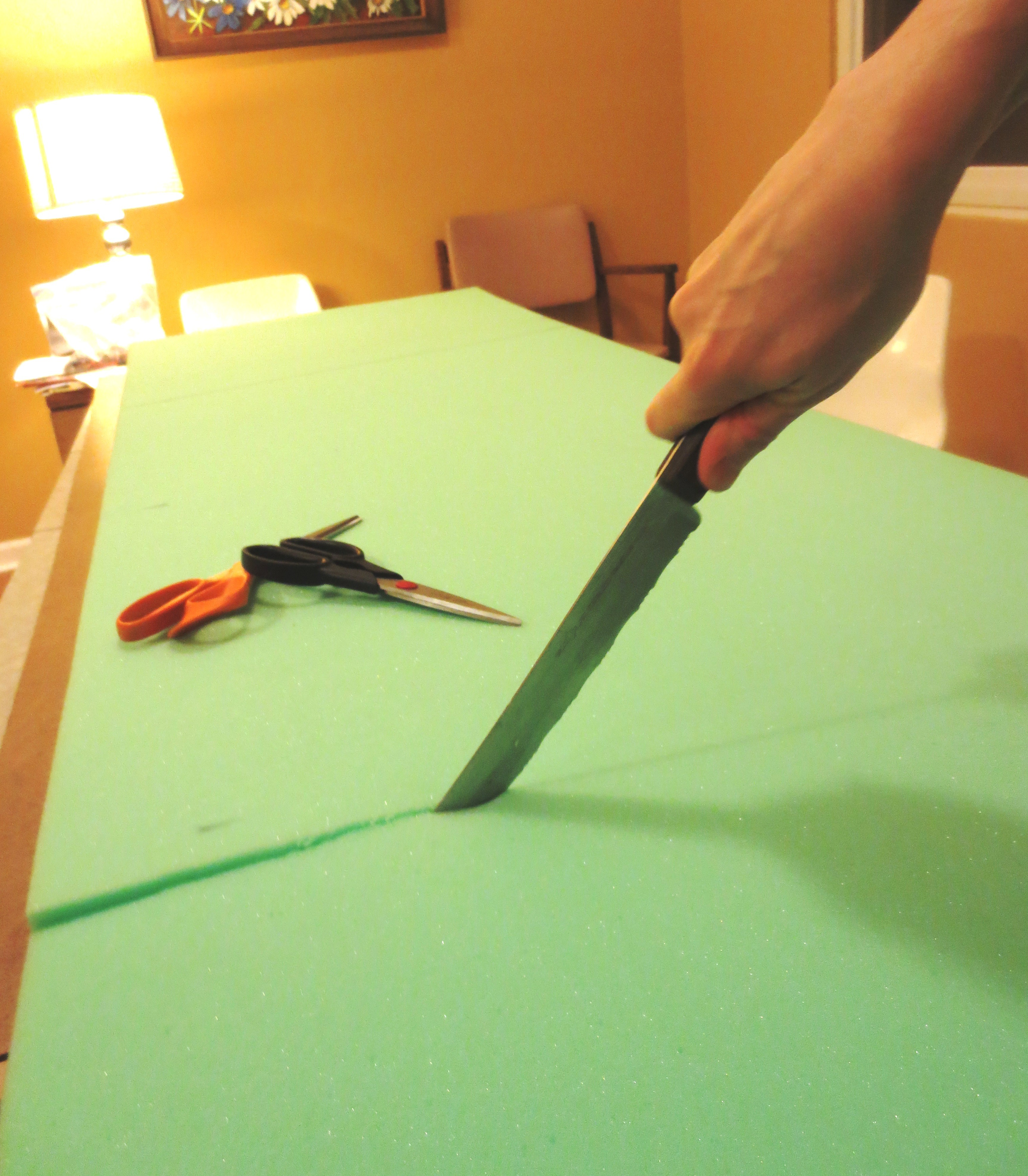
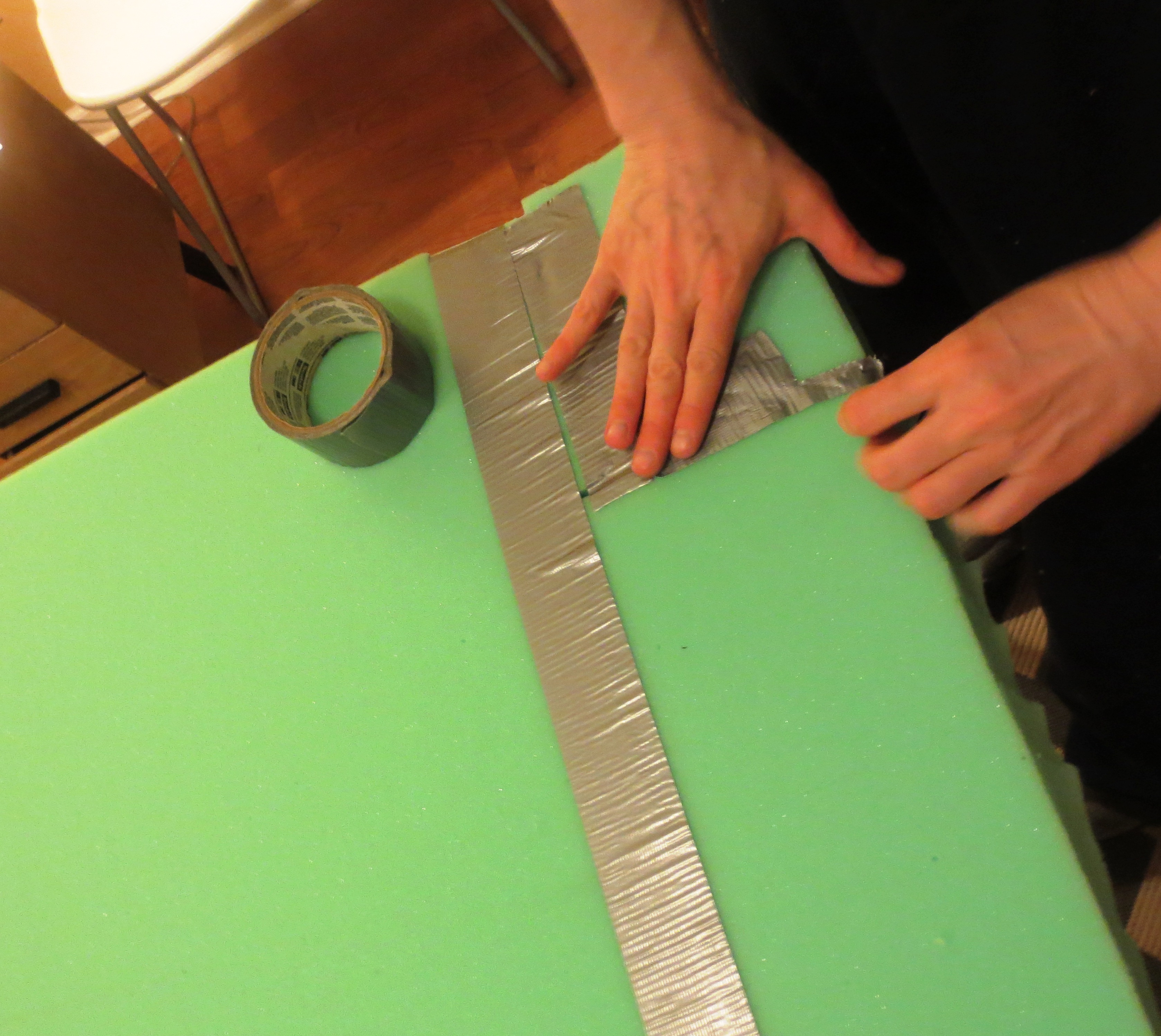
3)  Place your foam over the board.  If you are lucky enough to have an exact fit, skip to step 4.  My foam was cut at the craft store from a bigger roll that was only about two feet wide, so I had it cut a foot longer than the length of my board.   I then cut off the excess length – first with a utility scissors, then with a serrated kitchen knife (do this step after all small children have gone to bed).  I cut the excess pieces to fill in the remainder of the board space, then added a touch of class by duct-taping them all together.
Picture 013Picture 017Remember, that for this project, it’s what’s on the OUTSIDE that counts.

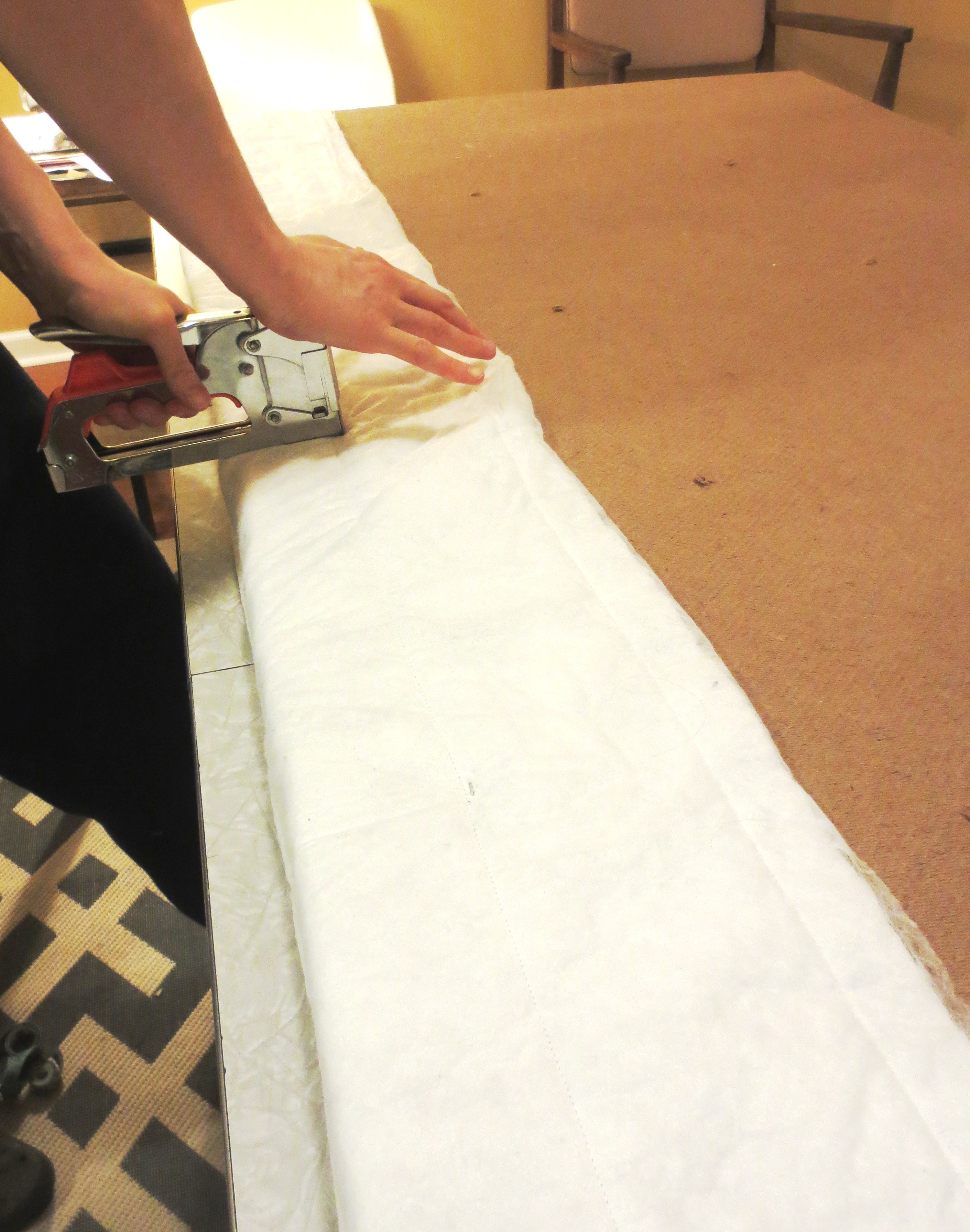
4)  Place your batting over the foam, with at least six inches of batting past the edges.  Pull the batting as tight as you can over the foam and staple it to the back of the board, stapling every six inches or so.
Picture 021

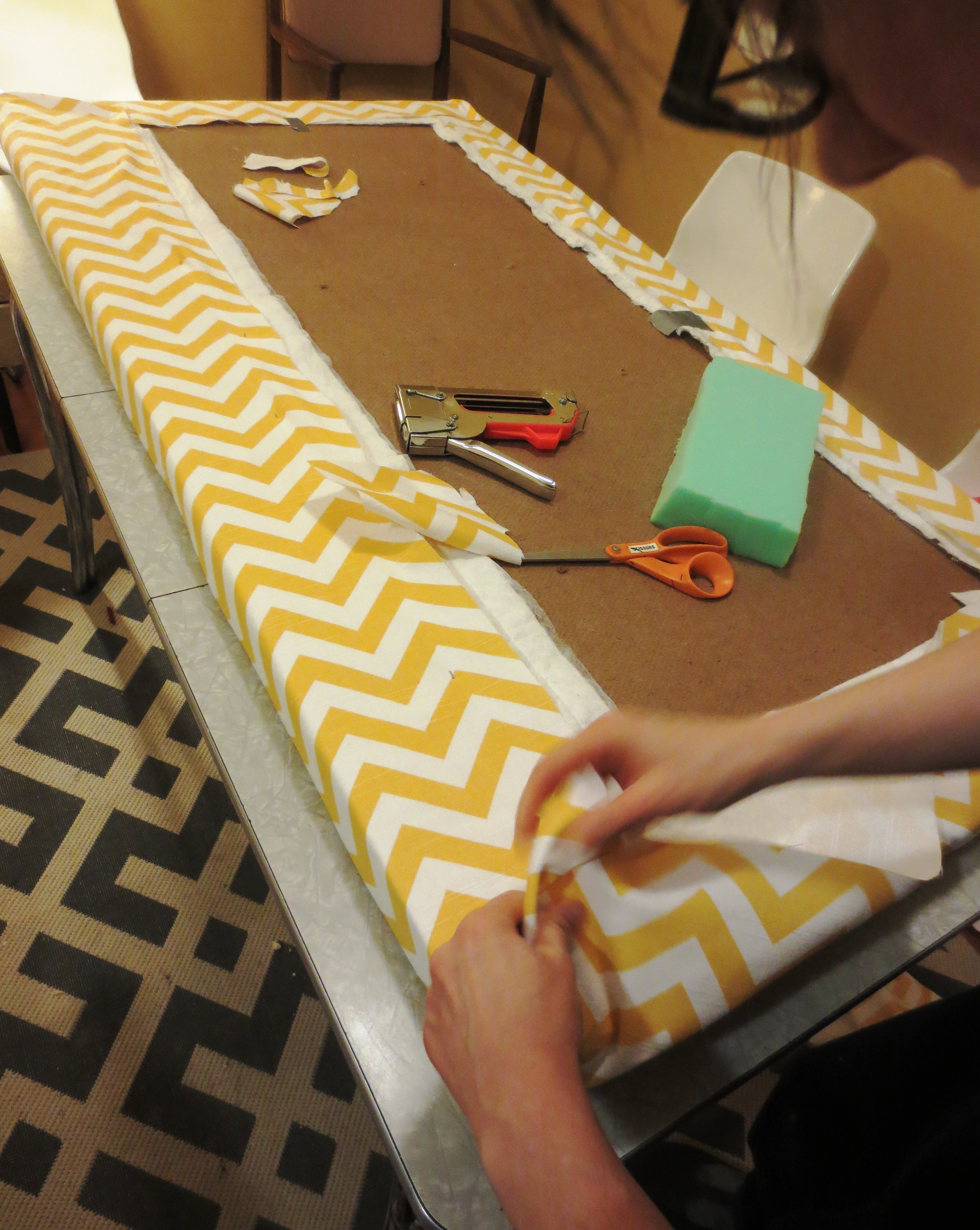
5)  Iron your fabric, and then repeat Step 4 with the fabric, taking care to twist and pull the corners so that no fabric is loose.  I chose to cut some of the excess fabric off the corners to avoid stapling a big pile of fabric, but if you have a good staple gun, this shouldn’t matter.
Picture 029I will confess now that I planned for the zig-zags to run horizontally across the board.  Of course, I didn’t think of this when I ordered the fabric, and it wasn’t enough to cover the width of the board.  So, I turned the fabric around and it fit plenty well with the zig-zags running vertically. Oh well.

PART TWO:  TUFTING WITH BUTTONS

6) The tufting process is by far the most time consuming, so if you’re looking for a one-hour project, stop here and skip to step 10.  First, you’ve got to make your buttons.  If you’re eccentric, you could try using flat “sew-through” buttons, but I decided to make my own shank fabric-covered buttons.  You’ll need a button kit from the craft store (about $9), plus some extra fabric to cover the buttons.
Picture 031

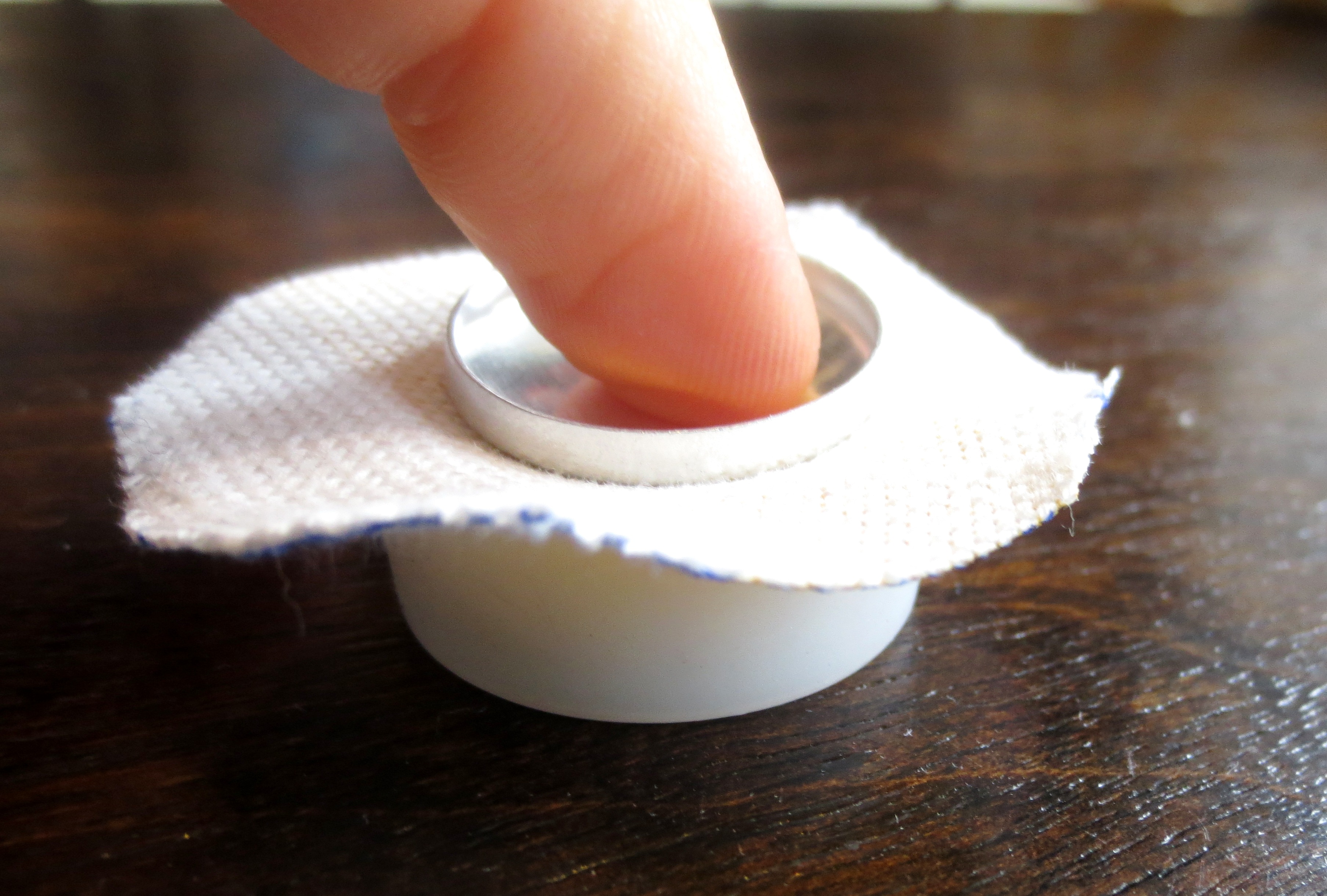
For each button, cut a circle of cloth with the template. Place your fabric in the mold (a little plastic cup) and place the button shell over the fabric. Use your thumb or the “pusher” to press the shell into the mold with the fabric.  Tuck the excess fabric into the shell, then place the back (with the little hook or “shank” over thePicture 034 shell) and push into the mold with your pusher.  Then pop your finished button out, like magic!

Picture 035

Don’t let this happen to you!

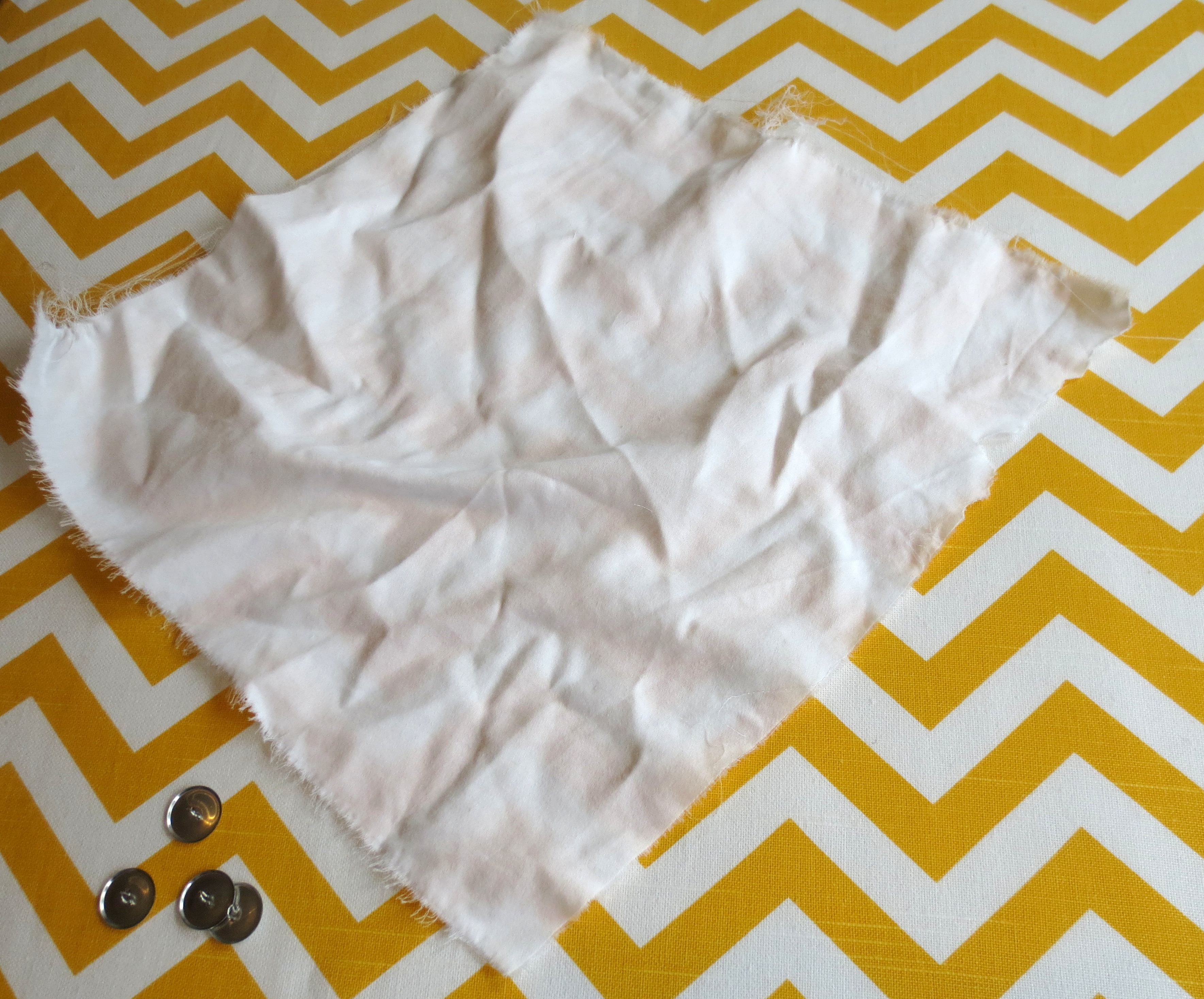
Warning!  If you used a heavy fabric for your headboard, you will have trouble using that same fabric to make buttons.  After disfiguring my thumb on the first button (derailing my hand modeling career), I pulled this piece of scrap fabric out from the rag bin under the kitchen sink.  It’s a retired bed sheet that we cut into rags.  But it was clean and white and thin enough for my button kit.

Old rags add a touch of class!

Old rags add a touch of class!

Picture 038

Also great for diabetic dolls

7)  Secure the buttons to the front of the headboard. Use a needle that is at least as long as the thickness of your materials—board, foam and fabric—about 3″ for this project.  They are called upholstery or decorator’s needles, but I found these “Doll Needles” at the craft store, which worked well (they are also useful for intimidating dolls).

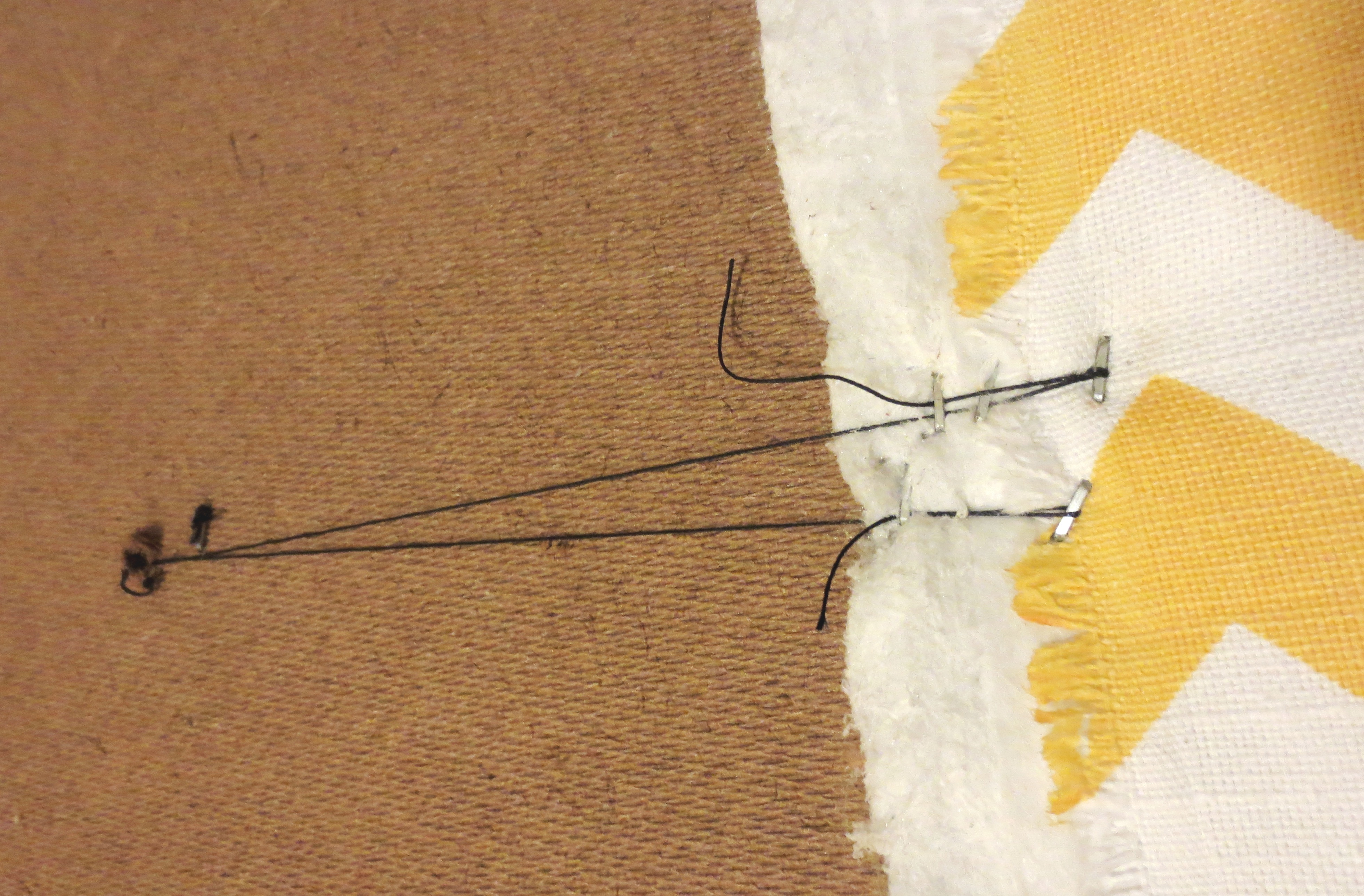
Locate the holes you drilled in Step 1.  Thread the needle with very thick thread or twine (knotted tightly) and insert it into your pre-drilled button hole. Leave a couple inches of thread still hanging out top and staple that thread to the board. I stapled the thread over some batting overhang to make it more secure. Remember that the thickness of the thread really does matter.  My thread ran out after the first seven buttons. I dug around and found a piece of thin twine, which worked so much better than the thread. I could pull the button tighter and staple it more securely to the board. Use twine.

Picture 039

This thread isn’t really thick enough

8)  Pull the needle out through the fabric side. Thread the needle through the hook on the back of the button a couple of times.
Picture 056Picture 058

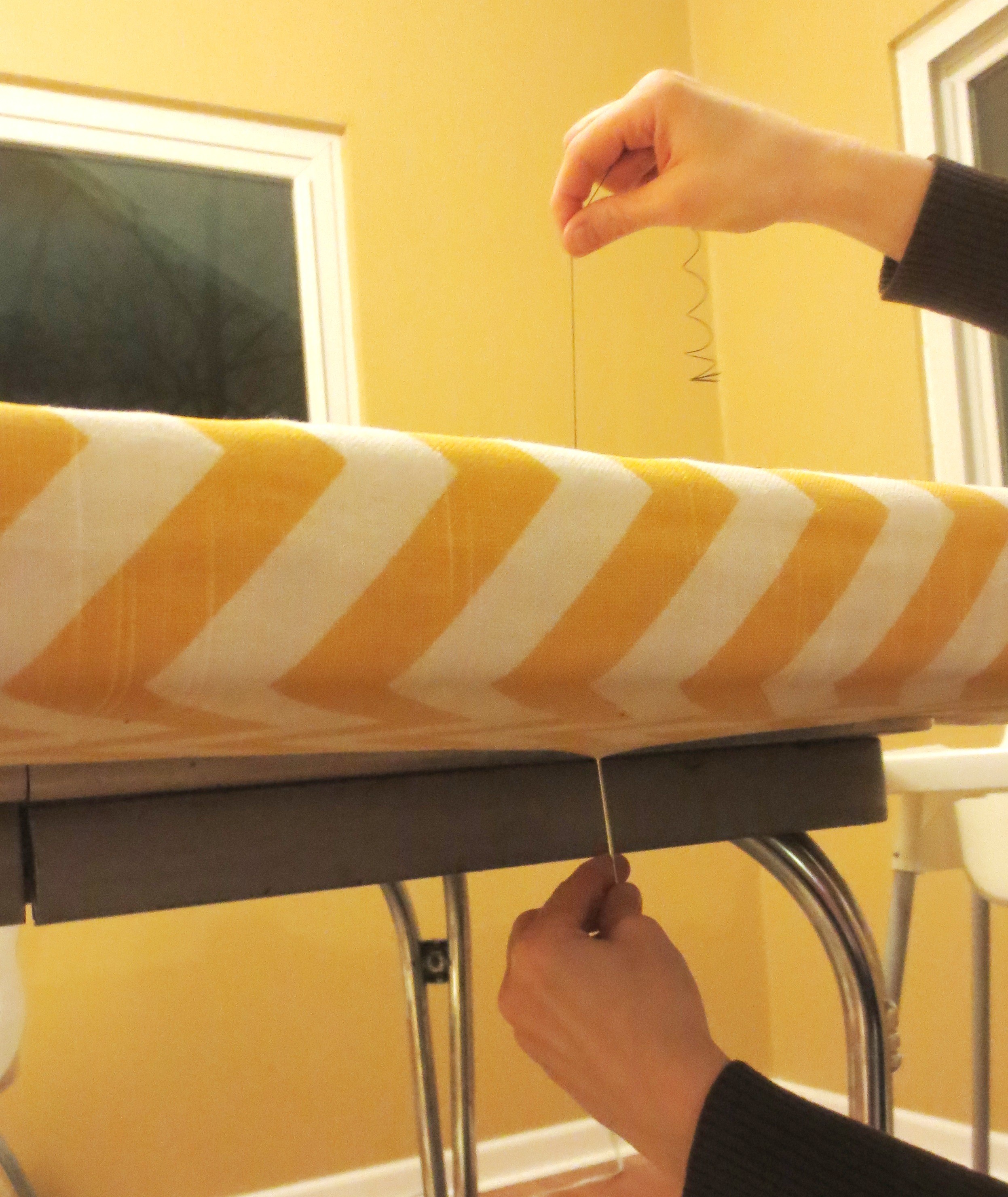
9)  Now take a deep breath, or maybe a drink.  Push the needle back through the fabric/foam and poke around until you can locate the hole in the board again, and pull the needle back through (this step may take a while).

This step will really piss you off

This step will really piss you off

Pull the thread as tight as you can, then staple the end to the board a few times.  If you only have two hands, have a friend pull the thread while you staple. Repeat with each button.
Picture 060

10)  Attach D-ring hangers to the back of your board with a drill. You may want to locate the studs in your wall before this step, so you can match the hangers to the studs where you will drill your screws.

11)  Sit back, read a celebrity magazine, and fall asleep with your shoes on. Your bedroom is now 50% more classy.

I might need to re-think the bed linens now

I might need to re-think the bed linens now

Madsen Cargo Bike Cover

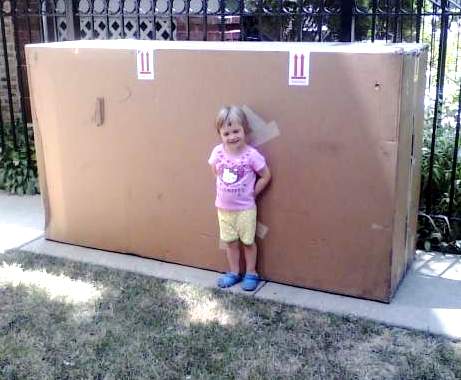
On a bright, blisteringly hot afternoon in July, a sweaty delivery man lugged a giant cardboard box onto our front lawn. After attacking every seam with my best kitchen knife, I finally got to test ride our family’s new Madsen Cargo bike. And I’ve ridden almost every day since, usually with two kids (and maybe a week’s worth of groceries) in tow.

Today it is 11 degrees outside, with two inches of snow on the ground. But we’re all still riding, thanks to the cargo bike cover that we just built. I’m excited to share how we made it with other Madsen owners and cargo bike enthusiasts.

By the way, my name is Clare. I live in a wonderful, walkable Chicago neighborhood called Logan Square. I have a drivers’ license but have never owned a car – I’m way too cheap and not nearly responsible enough. My husband Scott and I have three kids in all: my 1-year-old son, my 3-year-old daughter, and my 12-year-old stepson. Our family travels just about everywhere by bike. After a few years of hauling kids and groceries with a Burley trailer, we were in the market for a cargo bike; a mini-van on two wheels.

387c882ade9a__1343057148000

Babies eating groceries in the back of the Madsen

Why the Madsen? It was about $2,000 cheaper than most other models of “bucket” cargo bikes, and the pink model was on sale (did I mention I was cheap?). The bike comes fully assembled and ready to ride. The bucket is equipped with two removable, padded benches and four seat belts. But, aside from the optional front rack, Mr. Madsen offers no other accessories. Not even a cover to protect the little ones from sun, rain and snow.

The kids survived the summer and fall fully exposed. But as December blew in, it was finally time to roll up our DIY sleeves and make the cover ourselves. Internet searches turned up visual evidence of other DIY Madsen covers, but no instructions. Through trial-and-error, we designed a cover that works for us, and I’m excited to share our plans with the growing community of Madsen owners. I hope others will do the same.

THE FRAME:

We store our bikes in the crawl space under our landlord’s back porch, and needed a frame that was lightweight, a bit flexible, and could easily pop on and off, like a tent dome. Scott constructed this domed X-shaped frame out of a few basic ingredients:frame diagram2

• Two sizes of PVC pipe (one fits into the other, though they both say ½ inch?)
• Clamps: four 2″ spring clamps, and four hose clamps
• Screws and nuts

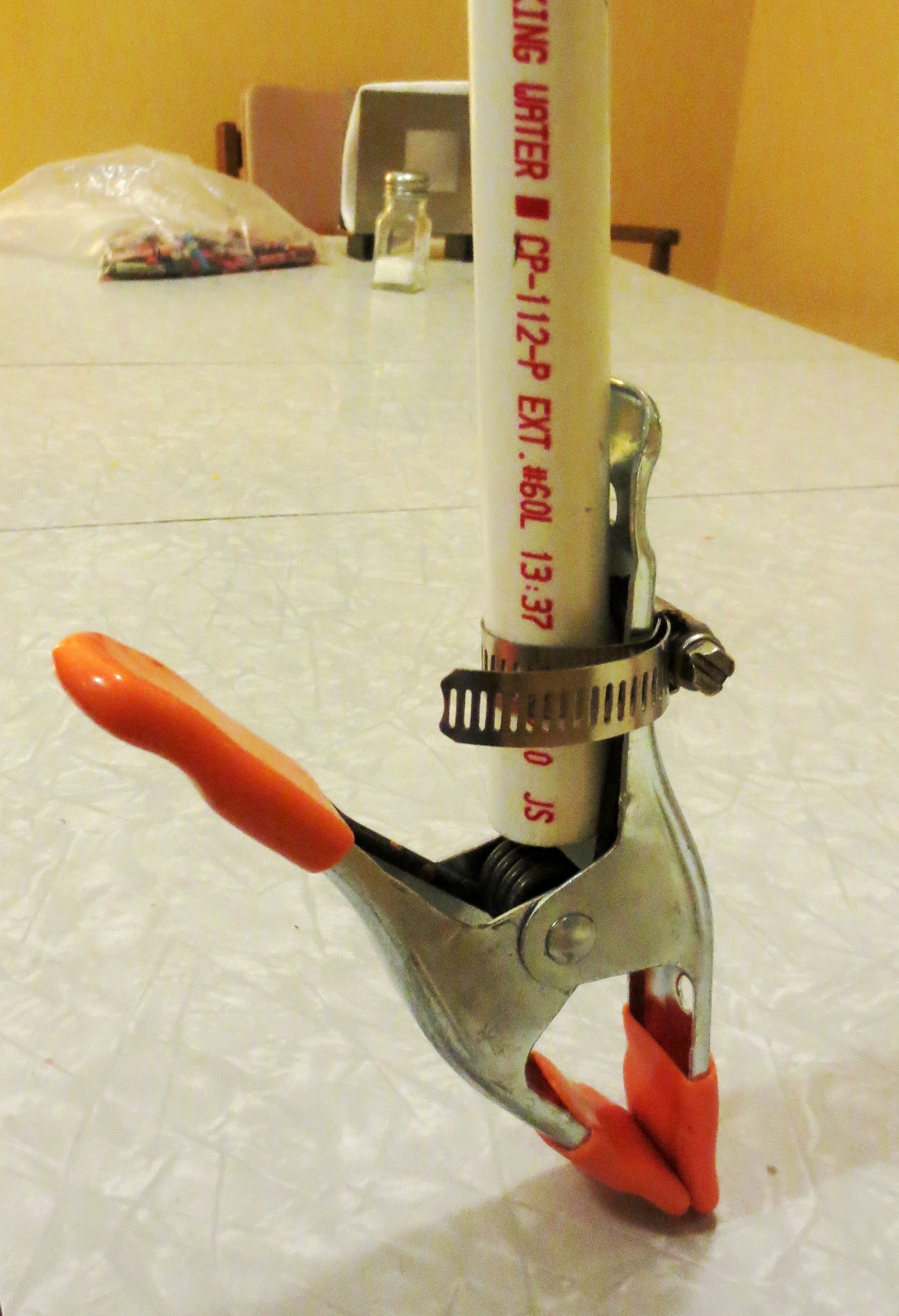
1). Scott began by cutting the larger PVC pipes in half to make four 18″ sections. He then connected them to the four spring clamps with the hose clamps, producing four upright posts – one at each corner of the bucket.

2). Next, he inserted the two long pieces of the narrow PVC into the larger PVC “posts,” crossing at the top to create a dome shape, like a tent. We were surprised and a little peeved to discover that the inside diameter of the pipe is not uniform throughout: while the first pair of pipes fit together perfectly, the second pair wouldn’t cooperate. Scott fixed this by cutting a grove into the lip of the smaller pipe so that it would collapse slightly and slip into the biggerclamp6 pipe.

3). Then, he drilled a hole and inserted a screw and nut through each of the 4 overlapping pipes. TIP! Use an awl make a pilot hole through the pipe before you drill to help the drill go straight.

4). Finally, he drilled a hole and bolted together the point at the top of the dome where the two pipes cross each other.

THE COVER:

1). I bought the fabric – black oilcloth with white polka dots – on a spontaneous weekday trip to IKEA with my friend Brian. We grabbed two yards, which was my best guess at the moment as to how much I would need.Picture 1064

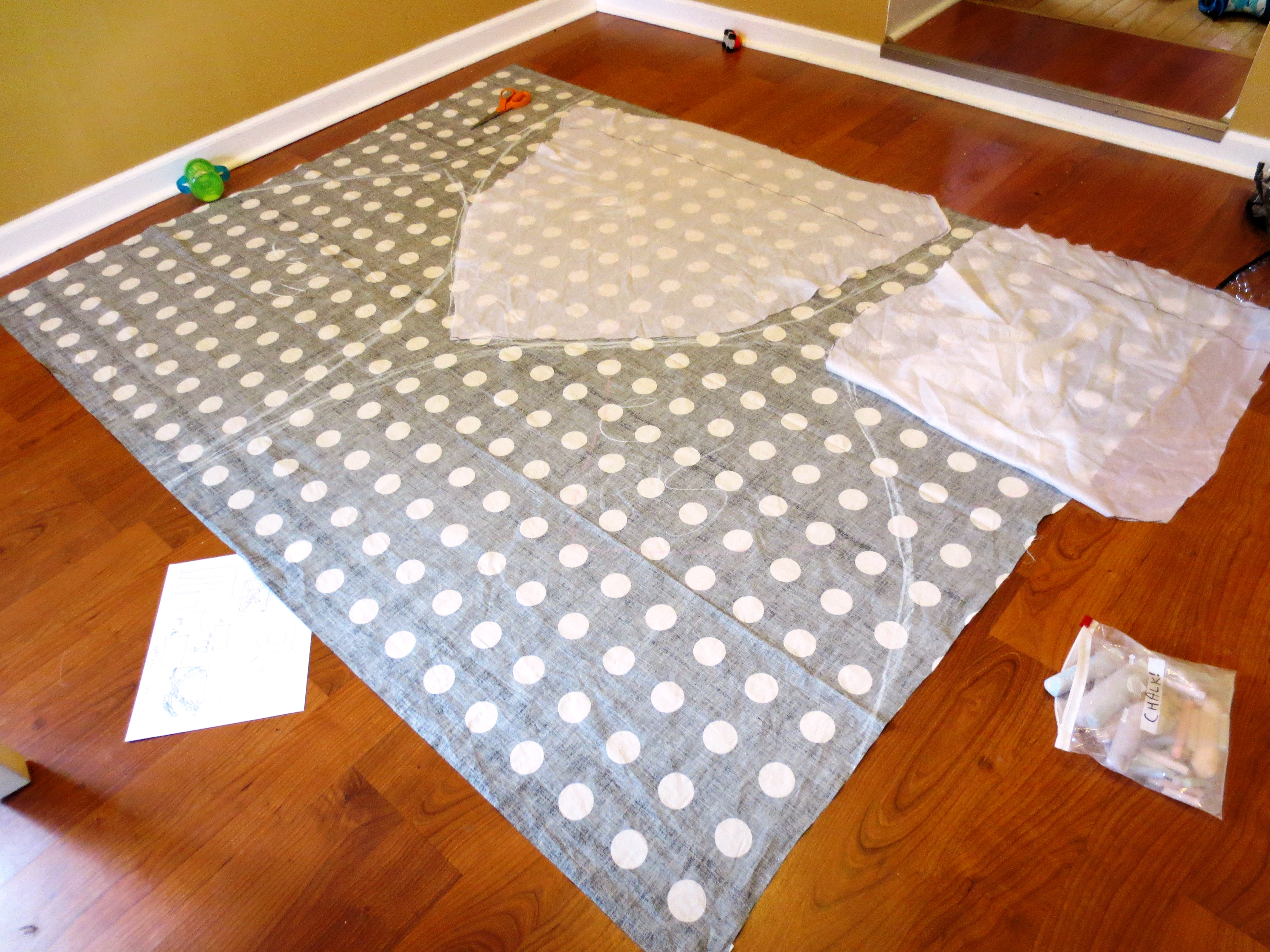
2). Next, I made a pattern for the fabric by draping an old bed sheet over the frame and tracing the outlines of the four panels on the fabric with marker. Because of the dome shape of the frame, it was beyond my mathematical abilities to calculate accurate measurements for each panel (my previous sewing feats have been limited to more two-dimensional projects like curtains, pillows, and toddler Halloween costumes). I decided to use five panels – one for each side, one for the front, and two twin panels for the back “door.”

2). After cuttinPicture 1065g the pattern out of the bed sheet, I placed the panels up on my oilcloth and cut out the shapes.

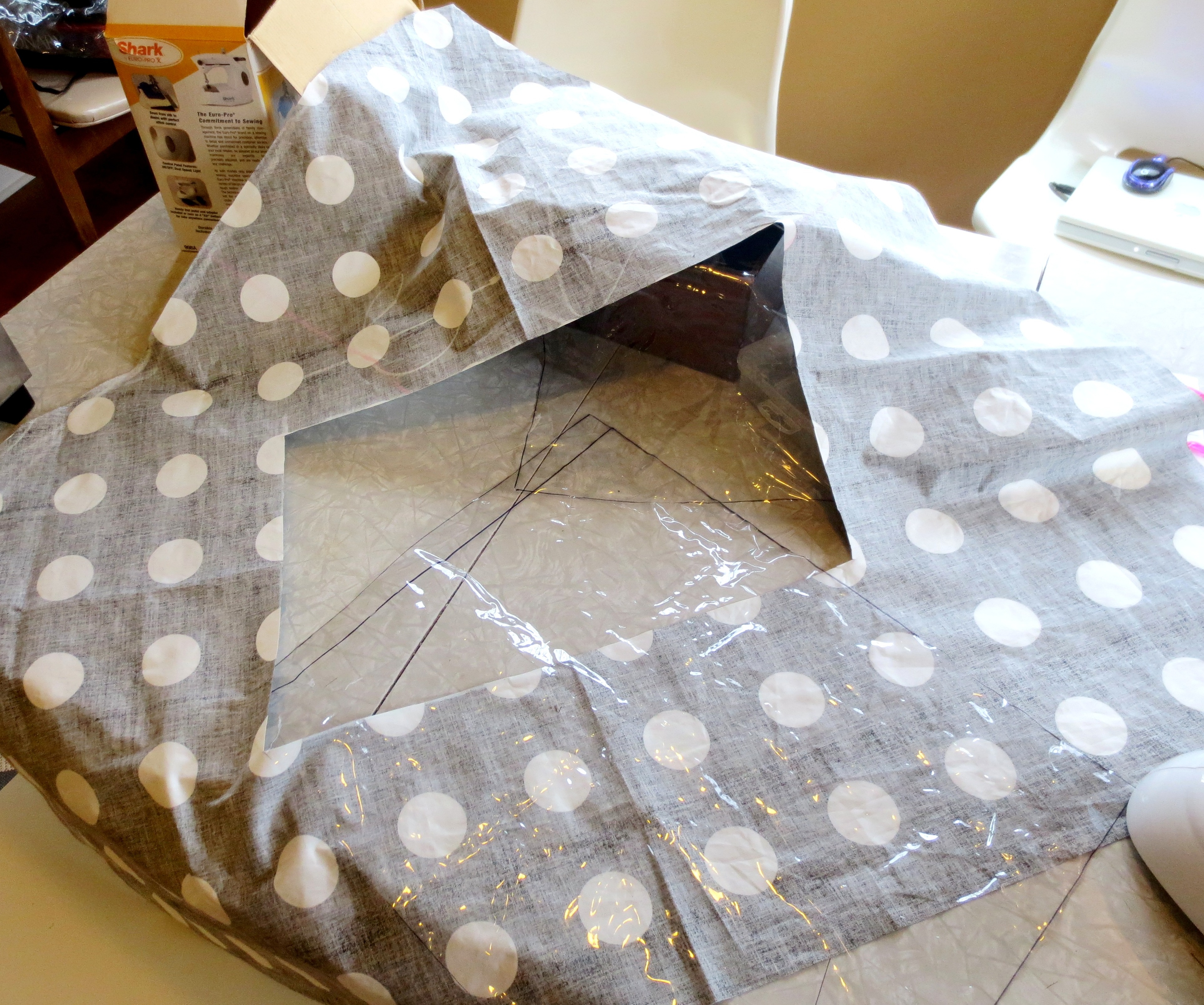
3). To make the “windows,” I traced two squares of somewhat arbitrary size onto a large piece of clear vinyl – an old stroller cover passed on by the Avery family. Then, I drew the window outline in chalk on the wrong side of the oilcloth, allowing about an extra inch around for the vinyl to overlap the oilcloth. I cut a window hole by folding the fabric in half and cutting half a square (a trick I learned from making paPicture 1067per snowflakes in 2nd grade). By some miracle, my tiny sewing machine was happy to sew the vinyl on the oilcloth.

4). And here’s where we come to our first happy screw up: After pinning the main panels together over the frame, I realized we didn’t cut enough oilcloth for the front panel. Oops. But, I happened to have a large piece of clear vinyl from a trip to Jo-Anne’s, which became the new front panel. Let me pause here to say that this was the best mistake I’d made so far — being able to see what’s going on inside that little bubble is absolutely essential. You’d surprised at what my babies will toss out the side of the bike when I’m not looking, or how much of our groceries they’ll eat on the trip home from the store.

5). At this point, it was all about the machine. I simply sewed all the panels together at their edges, with the back panel open.

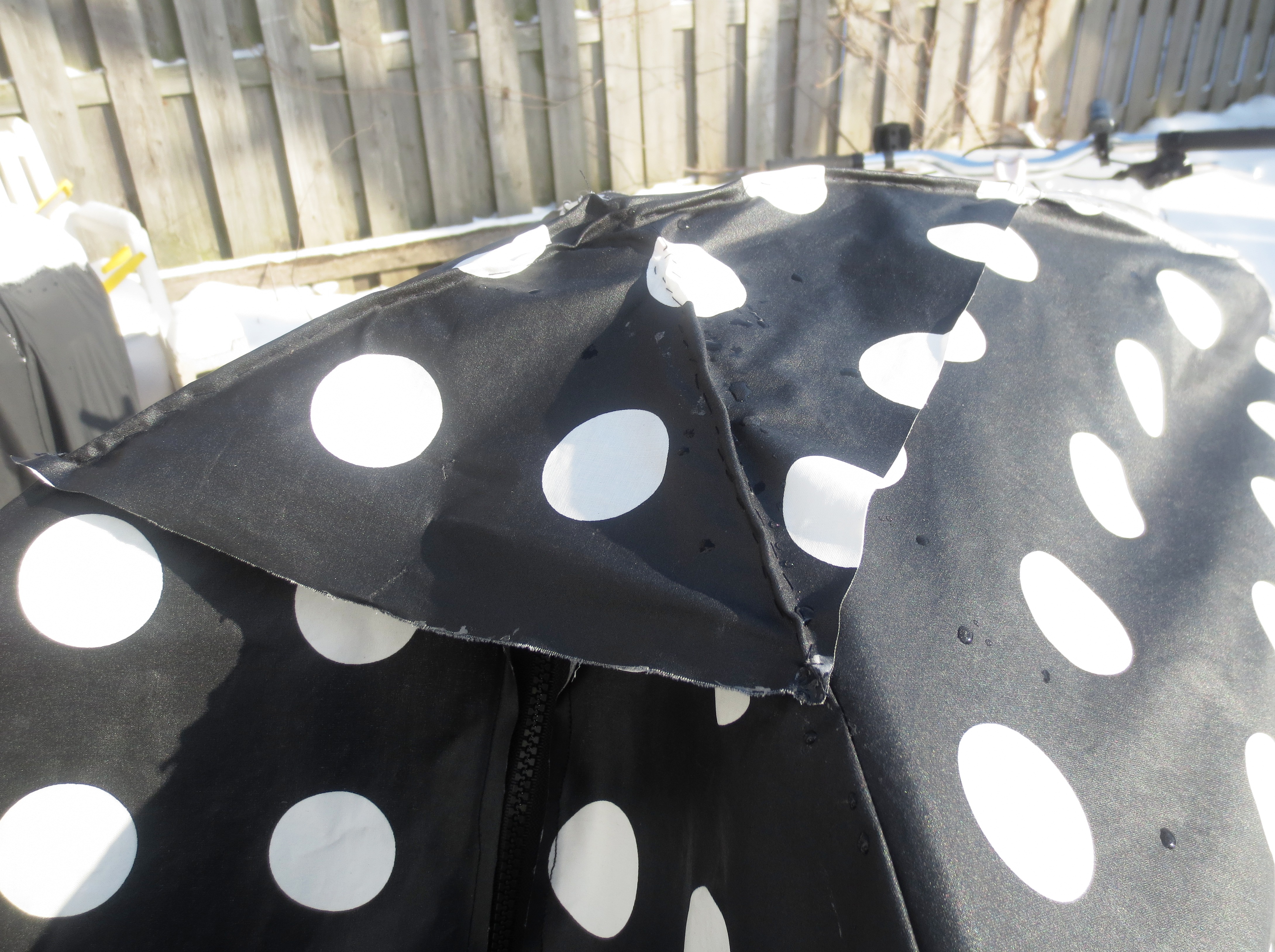
6). Since I’m noPicture 1143t skilled enough to make all my panels meet together in a perfect apex at the top, I had to sew an extra square of oilcloth on the peak of the dome to block out the rain, and cover up my mistakes. However, my Little Machine refused to stitch over that much oilcloth, and I had to do that panel by hand (and oh, boy, can you tell).

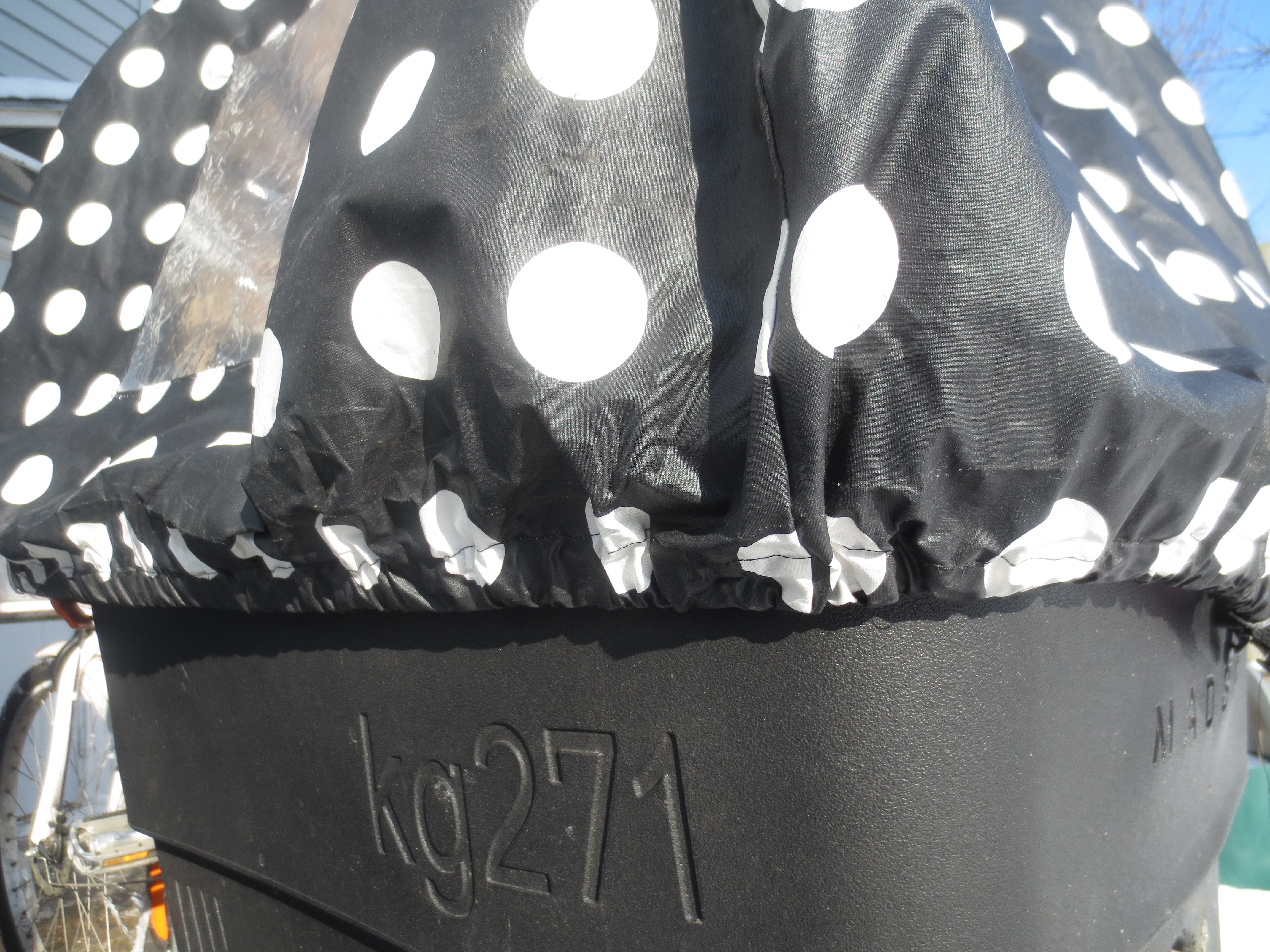
7). The next challenge was securing the bottom of the cover to the bucket, which has a gently sloping lip. I sewed a bottom hem just wide enough to hold a roll of elastic, which I carefully threaded through the hem as I sewed it.Picture 1148

8). Next, I liberated a “side release” buckle off an old bag, and hand-sewed it to the ends of the elastic. It took some trial-and-error to get the tension right.

Picture 1138

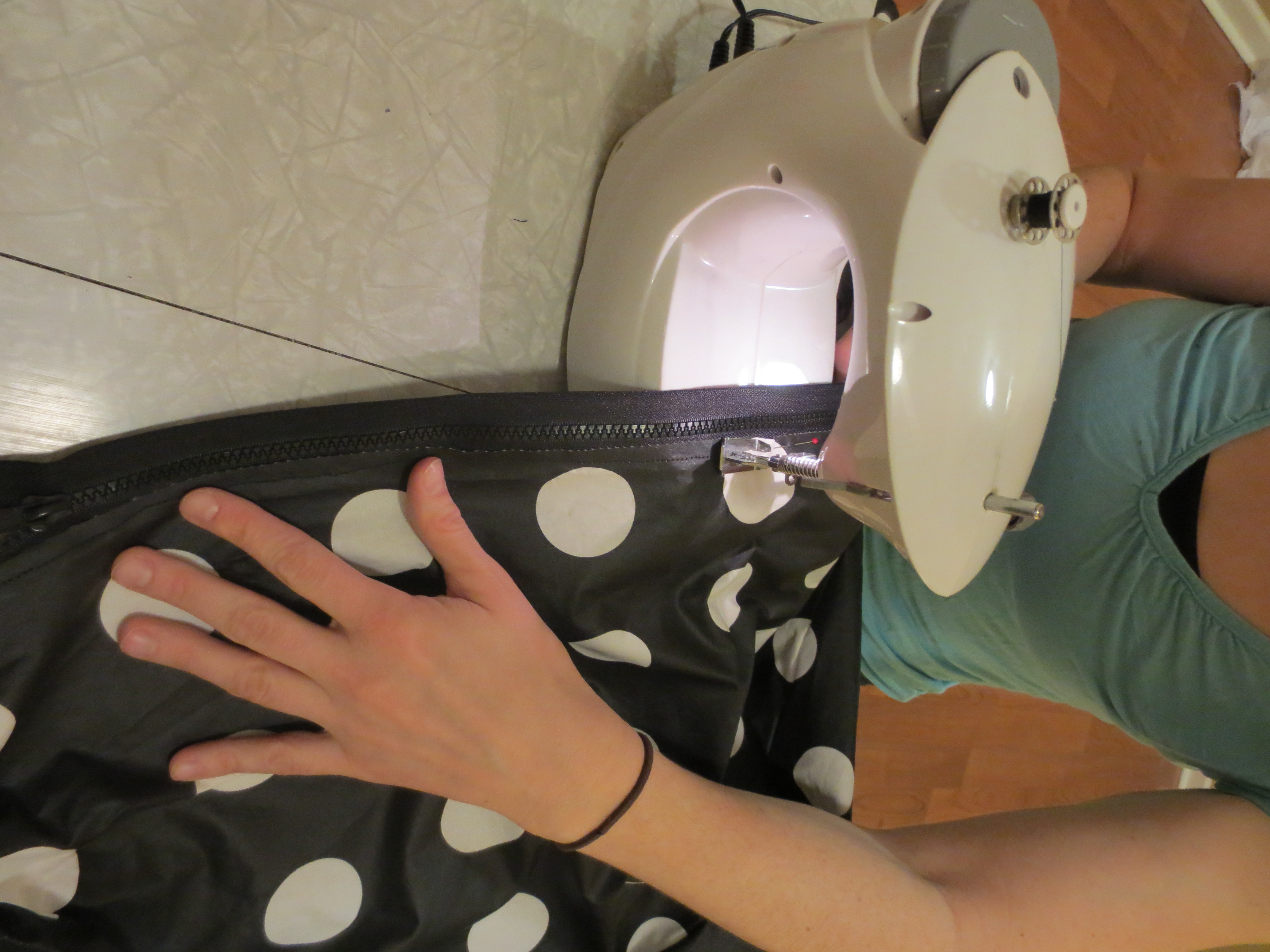
9). The last big decision—how to close up the back door? Since beginner sewers like me are famously terrified of zippers, my gut was to go with Velcro. Which brings us to Serendipitous Screw Up #2. I happened to have some industrial strength adhesive Velcro lying around (who doesn’t?), and stuck it right on, declaring the project Finished.  The next day, Scott took the cover out for its inaugurPicture 1130al ride and the @#$%* Velcro falls right off the cover on the way to school.  Didn’t even last 15 minutes. I knew in my heart I had to Face the Zipper.  So I went back to Jo-Anne and snatched one for about a dollar (but I secretly bought some sew-on Velcro in case things got ugly with the zipper).  I made sure to get plastic instead of metal, so it wouldn’t freeze. I carefully pinned the zipper to the edges of the back panels, and sewed it up in a matter of minutes.  It zips top to bottom and looks great.  There’s nothing like stuffing your kiddo inside the bubble and zipping him up tight!


So, it’s been about a month, and the cover has kept our kiddos warm, dry and dare I say… stylish?

Picture 1150